 Garmo team
Can I use AI images for commercial use? Five checks
Before an AI image goes on a product page, an ad or a marketplace listing, run it through these five checks. They apply whether you made it to put clothes on an AI model or with any other tool.
The tool’s licence
Do the terms allow commercial use on your plan, and who owns the output?
The platform’s rules
Marketplaces have their own photo rules; some require a real photo.
An honest product
Colour, shape, details and condition must match what ships.
People and brands
No real person without consent, no logos you do not own.
Copyright limits
You can use the image, but may not be able to stop others copying it.
What the AI tool’s terms say about commercial use
The first answer is in the terms of the tool you used. Look for three things: whether the output may be used commercially, whether that depends on a paid plan, and whether the company claims any rights in your uploads or results. Terms differ between tools and change over time, so read the current version rather than a summary from a forum.
Garmo’s terms of service are explicit: images you generate are yours to use for any lawful purpose, including commercially on your store, marketplaces, ads and social media, and Garmo does not claim ownership. Every plan and pack includes commercial usage rights. Your uploads stay yours, and they are not used to train AI models.
The same terms also put the responsibility on you: the images must represent your product accurately and must not infringe anyone else’s rights. And because AI gives similar results for similar inputs, no tool can promise an image is unique.
Can I use AI images on Etsy?
Yes, with conditions. Etsy’s help article on listing image requirements (read on 11 November 2026) says most items need at least one unedited photo of the actual item against a real background, and that all listing photos must accurately represent what the buyer will receive.
Outside that unedited photo, AI-assisted images are allowed as long as they stay accurate: Etsy says not to use AI to hide damage or change an item’s appearance in a way that could mislead buyers. Items that are themselves created with AI must still be disclosed. The guide to AI product photos for Etsy shows how to build a gallery around those rules. Print on demand sellers have their own exception; see print on demand t-shirt mockups on models.
Can I use AI images on eBay and Vinted?
eBay’s picture policy does not mention AI, but it does not allow photos that fail to accurately represent the item, and it bans stock photos for used, damaged or defective items. Added borders, text and marketing artwork are not allowed either. For a used piece, that means your own photos of the exact item must carry the listing.
Vinted’s help article on what photos to upload also says nothing about AI, but it bans stock, watermarked and online images and asks for the entire item in the first photo plus every defect. The safe order on both sites: real photos first, an on-model image later as an extra, and a line in the description saying it was made with AI from the item. The guide to photographing clothes for Vinted shows that order shot by shot.
AI images on your website, ads and social media
On your own website there is no marketplace rule in between, so the tool’s licence and general consumer law apply: the product shown must be the product sold. On-model images made from your own product photo, as with AI product photography with models, fit well here, next to a plain packshot and a close-up of the real fabric.
Ad platforms and social networks have their own advertising and content policies, and some label AI-made content. Check the policy of each platform you advertise on before a campaign, and keep the original photos in case a reviewer asks. The ideas in Instagram product photo ideas work with AI images and real photos side by side.
So, can I use AI images for commercial use on every channel? Only if the image does not promise more than the product delivers. If an AI image makes a fabric look heavier or a colour richer than it is, returns and complaints follow, and no licence protects you from that.
Who owns an AI image? Copyright basics
Being allowed to use an image is not the same as owning its copyright. The US Copyright Office published Part 2 of its report on copyright and artificial intelligence, on copyrightability, on 29 January 2025. In short, US copyright protects human authorship: material generated entirely by AI is generally not protected, while human contributions, such as your own photos or creative arrangement, can be.
So can I use AI images for commercial use without owning the copyright? Yes, in practice you can still sell with the image, but you may have a weak claim if a competitor copies the purely AI-made part. Keep your original product photos, which are your own work, and keep records of how you made each image. Rules differ between countries, so check local law if exclusivity matters to your brand.
Real people, logos and other rights
The biggest legal risk is usually not the AI itself but what is in the picture. Do not create images of a real, recognisable person without their permission, and do not put brand logos or designs you do not own on your product. Garmo’s terms forbid both, and they apply to every upload.
Stock models avoid the consent question: in an AI model photoshoot, Garmo’s 42 ready models are generated people, not real ones. If you build a custom model from a photo of a real person, you need that person’s permission first.
Finally, check accuracy before you publish. The AI product image accuracy test shows which details, such as prints, small hardware and text, most often need a closer look at full size.
Commercial images made from real product photos
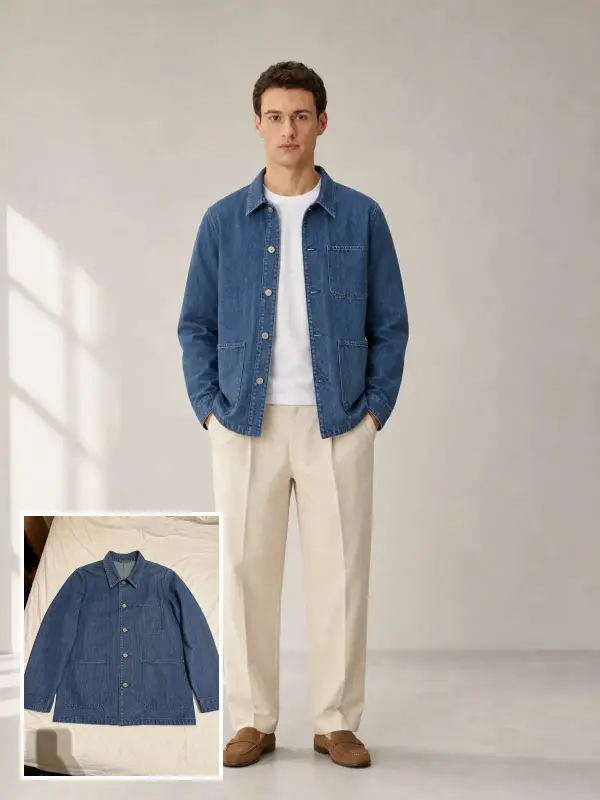
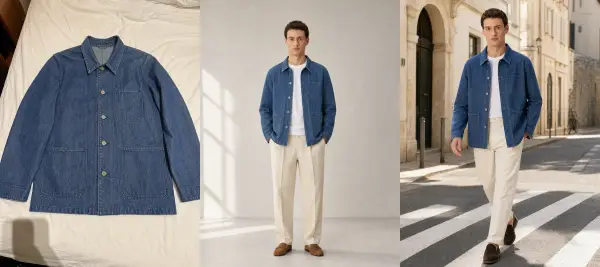
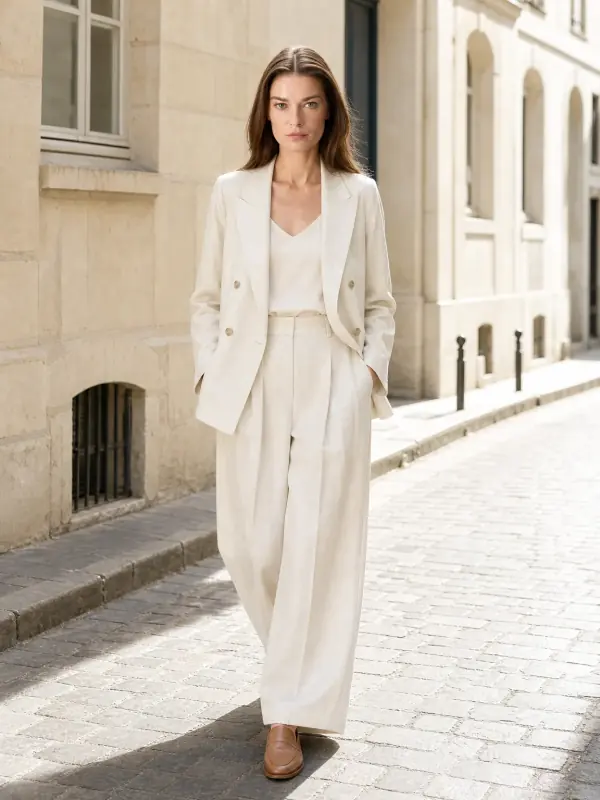
Both sets started from an ordinary photo of the real piece, which stays in the gallery next to the AI images.
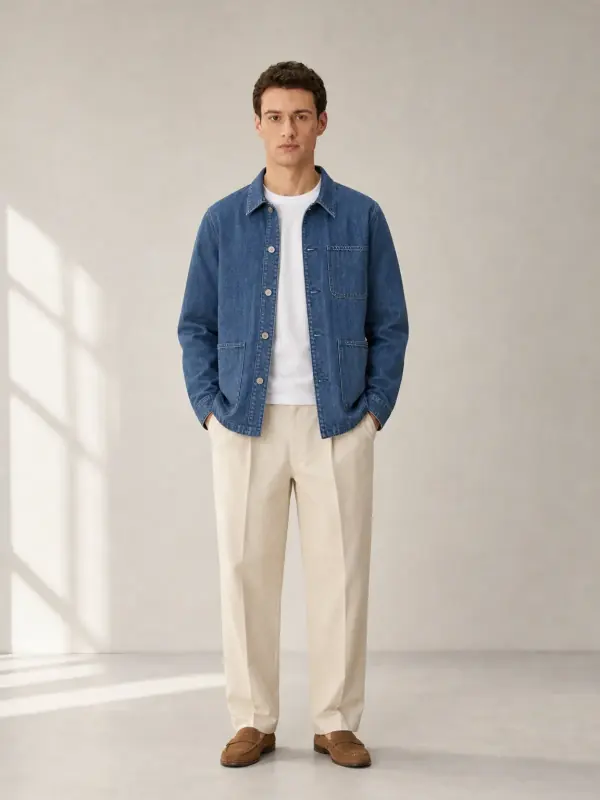
A denim chore jacket on a bed
The phone photo goes in the listing as the real photo; the studio, street and close frames sell the look.
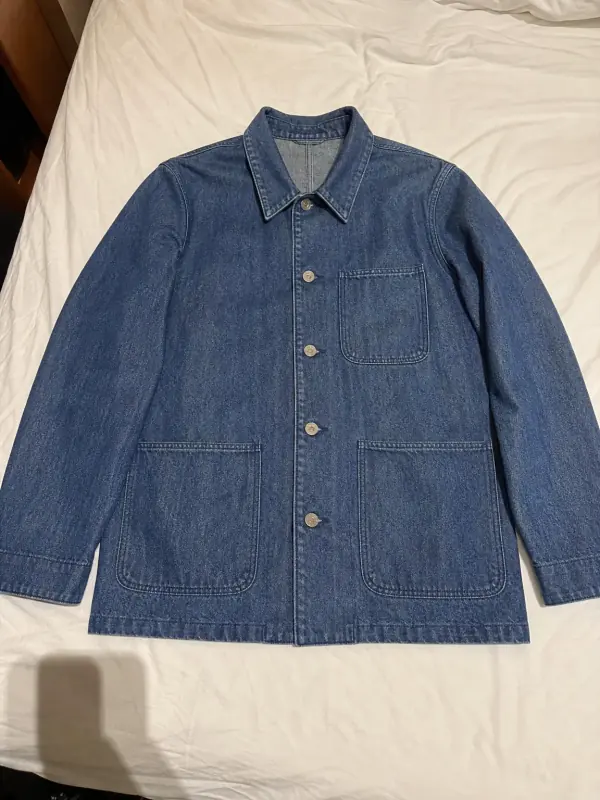 Your photo
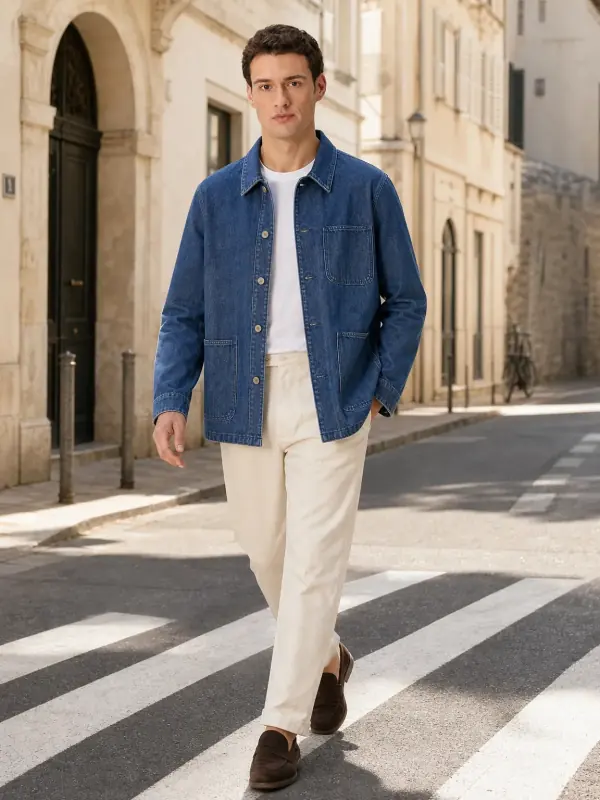
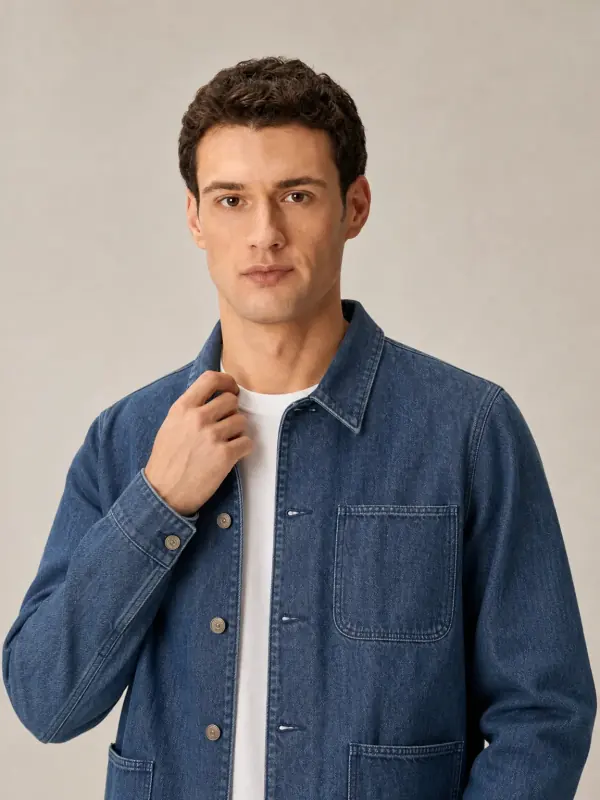
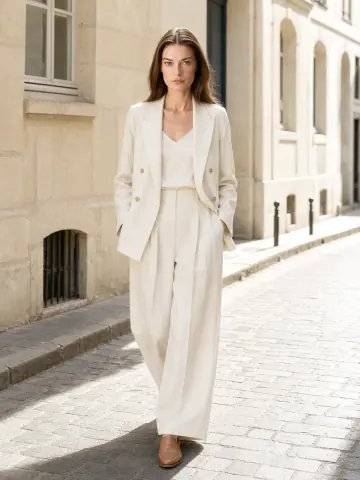
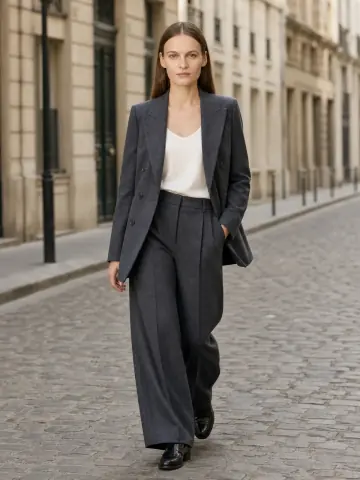
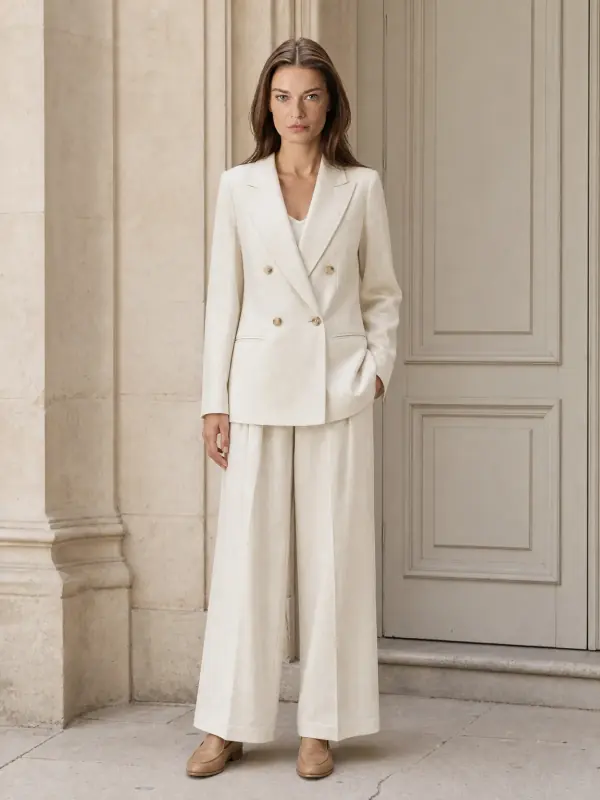
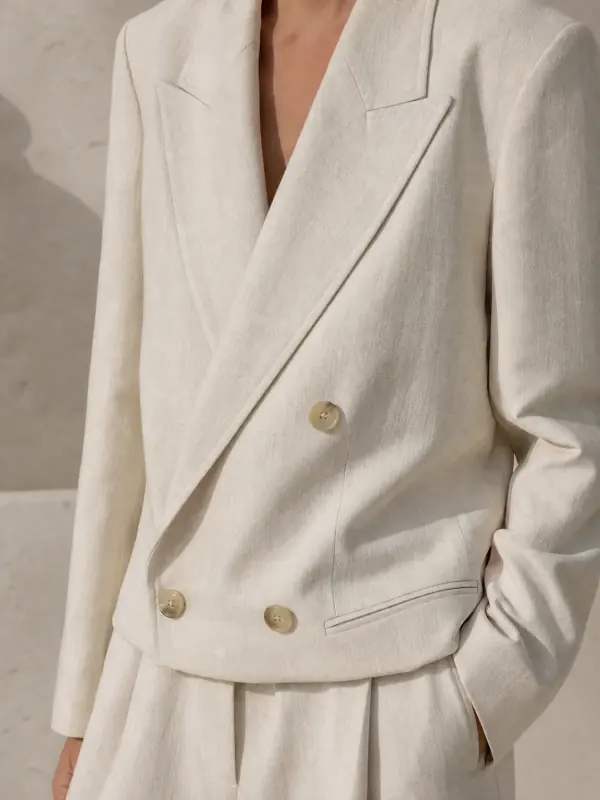
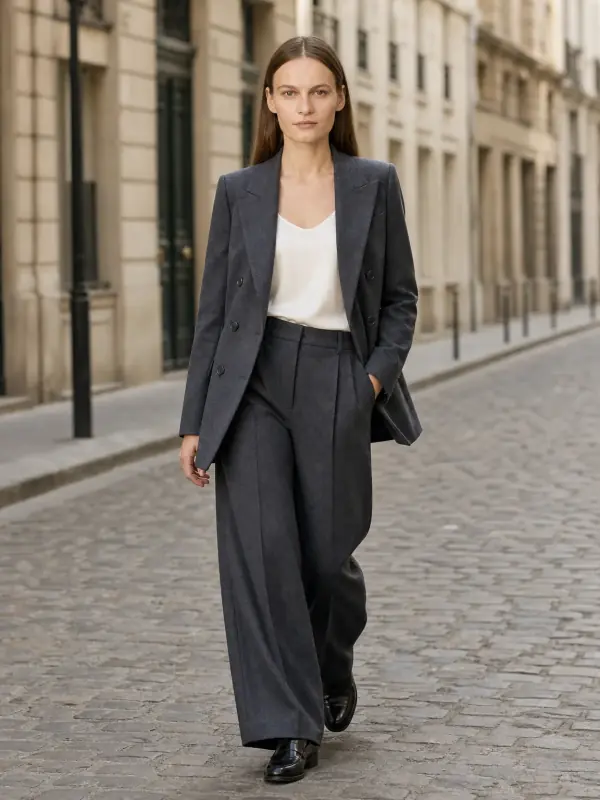
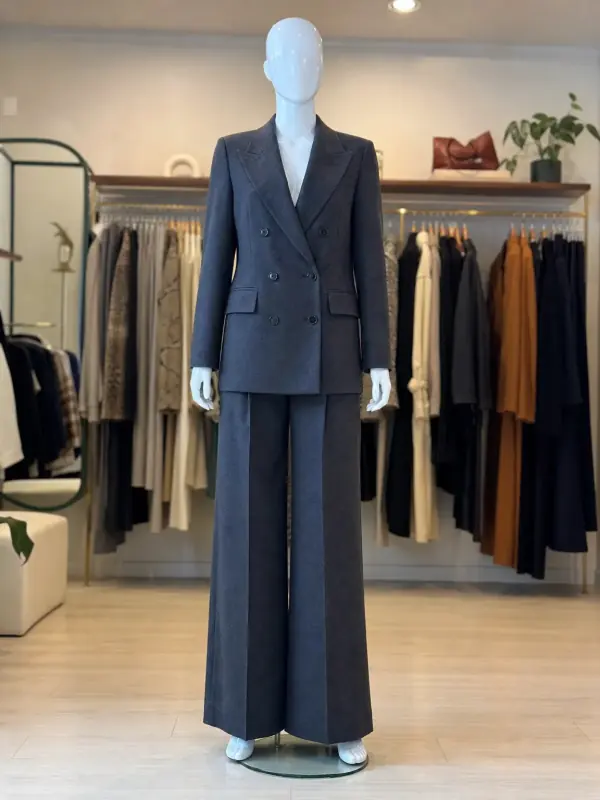
An ecru suit, from one photo
Walking, front and detail frames for a product page and ads, all from one photo of the actual suit.
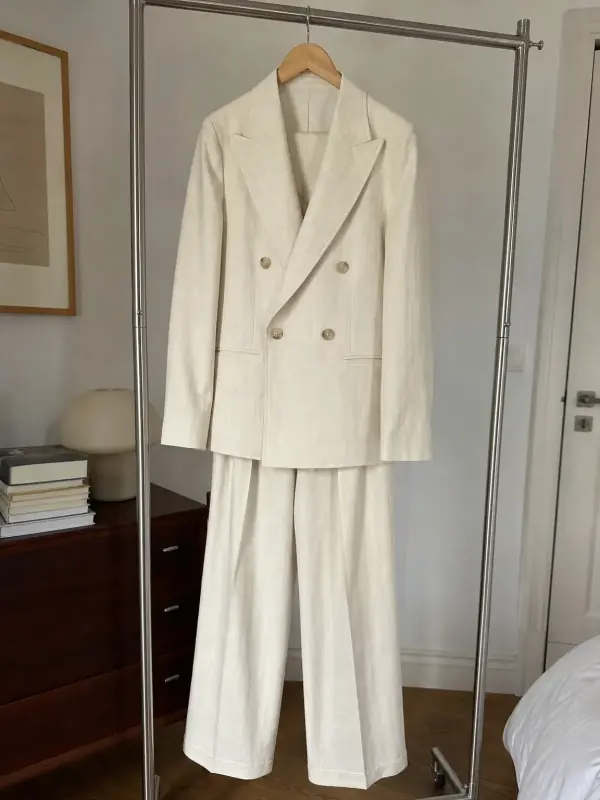 Your photo
AI images for commercial use: questions
Can I use AI generated images for commercial use?
Yes, if the tool’s terms allow it and the image represents your product honestly. Garmo’s terms let you use generated images commercially on any plan. Marketplaces may add their own rules, such as Etsy’s unedited-photo requirement.
Can I use AI images on my website?
Yes. On your own site the tool’s licence and consumer law apply, so the image must show the product as it is. Keep a plain photo and a fabric close-up next to on-model AI images.
Can I use AI generated images on Vinted?
Vinted’s help pages do not mention AI, but they require photos of your actual item and ban stock and online images. Put your real photos first and add an AI model image only as an extra, noted in the description.
Do I own the copyright of AI images?
Not always. In the US, the Copyright Office says purely AI-generated material is generally not protected; your own photos and creative input can be. You can still use the image commercially if the tool’s terms allow it.
Is this legal advice?
No. This is general information for sellers based on the terms and help pages linked above, read on 11 November 2026. For a specific case, or if exclusivity matters, ask a lawyer in your country.
Tools for commercial product images
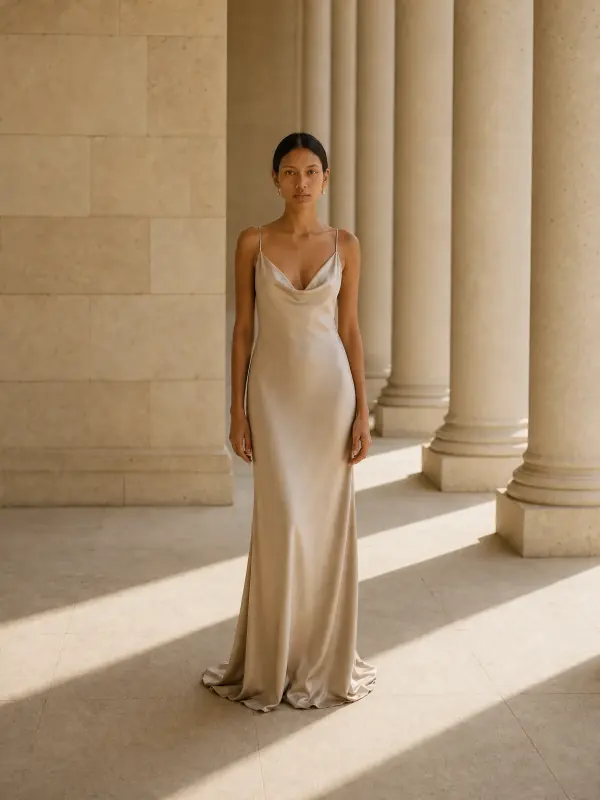
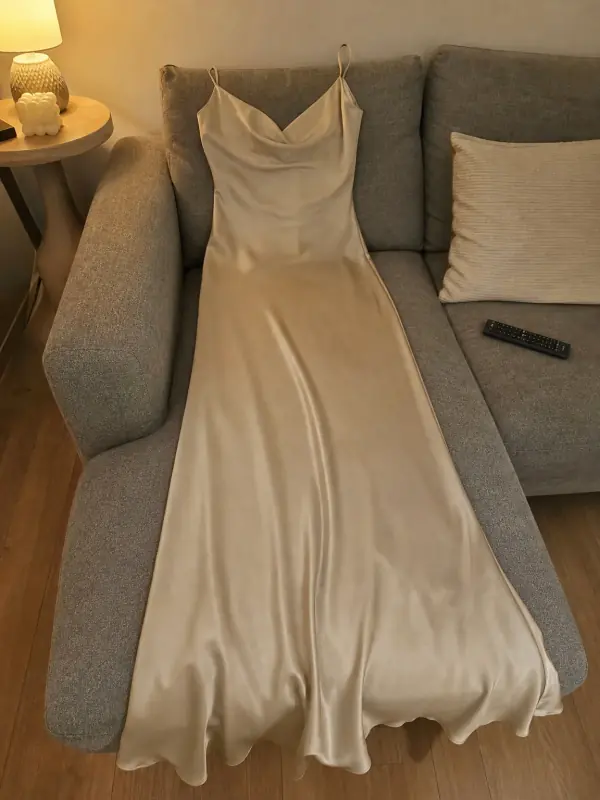 Put clothes on an AI modelUpload a photo of a top, trousers, dress or jacket and see it worn by an AI model, in studio, street or editorial settings.
- AI model photoshootTurn one product photo into a full photoshoot with a model: studio, street, editorial or a scene you describe, with up to six angles.
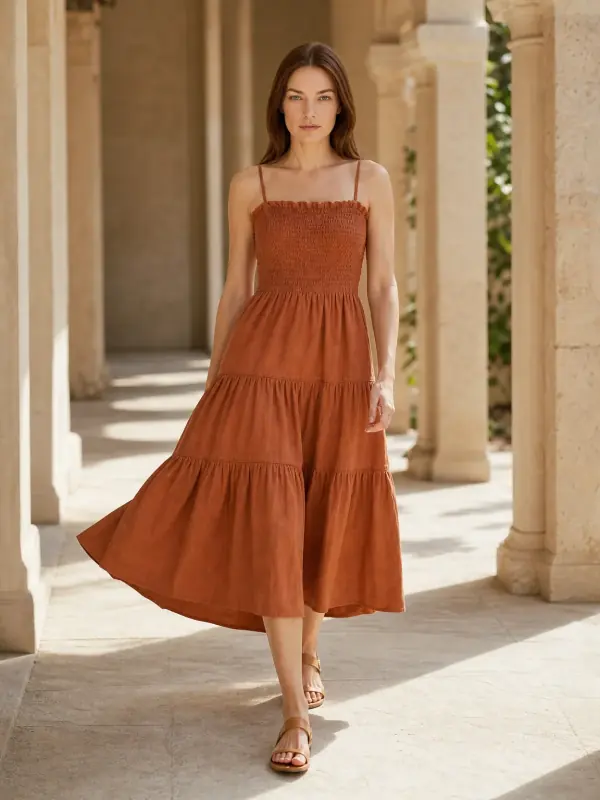
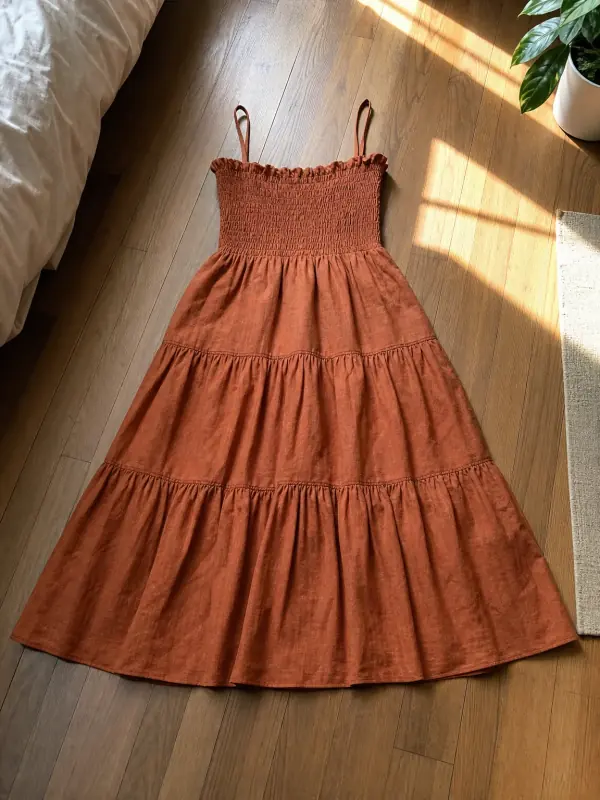 AI product photography with modelsClothing, jewelry and shoes photographed on models from one phone photo, with product-only shots for jewelry and shoes.
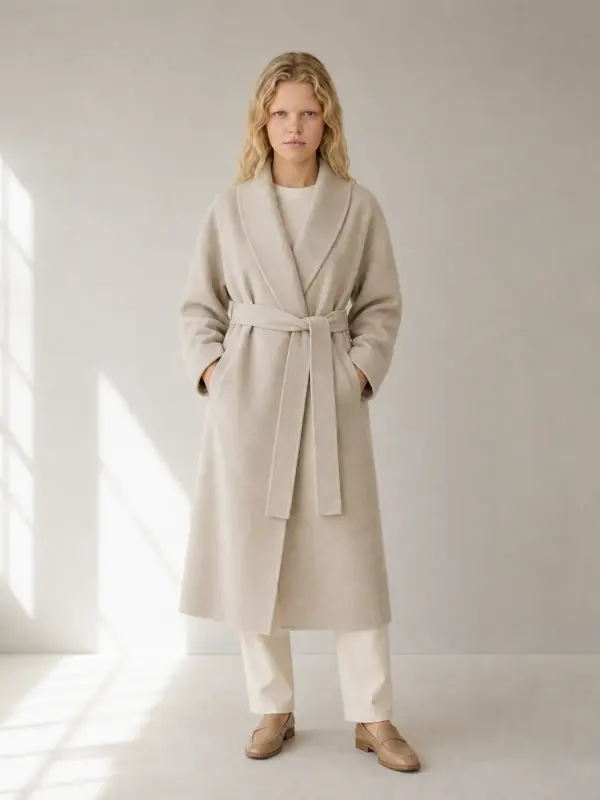
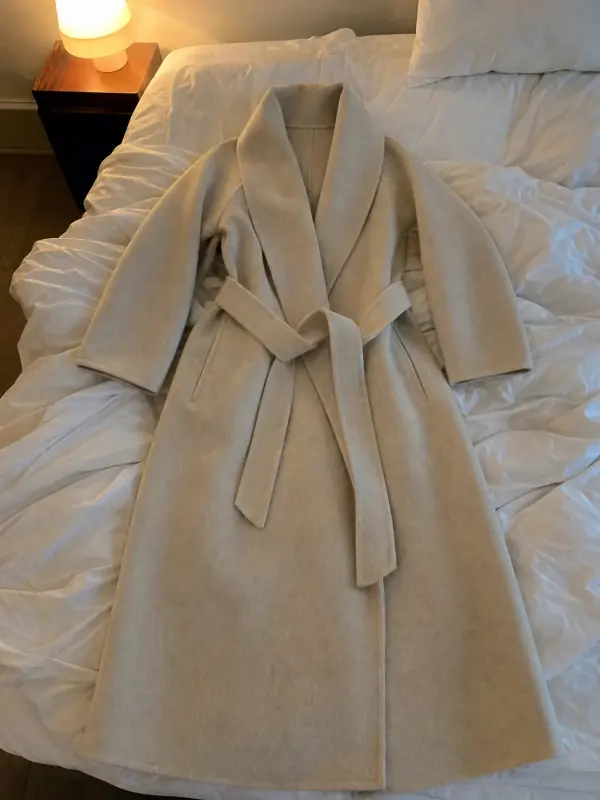 Flat lay to modelLay the garment flat, take one phone photo and get it worn by an AI model from three angles.
 Mannequin to model AIAlready shoot on a mannequin or dress form? Upload that photo as it is and get the same piece worn by a model.
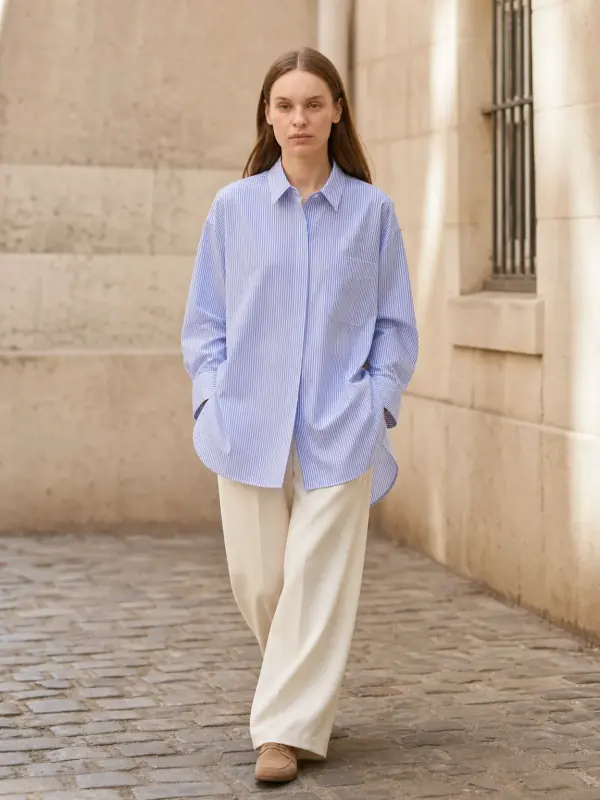
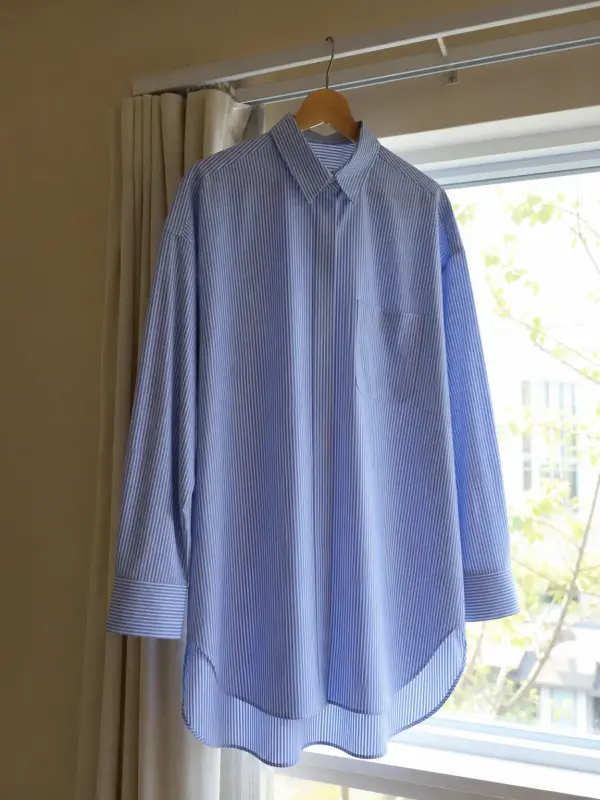 Garment to model AIHang the garment on a door or a rail, take one photo, and get it back worn by a model.