 Garmo team
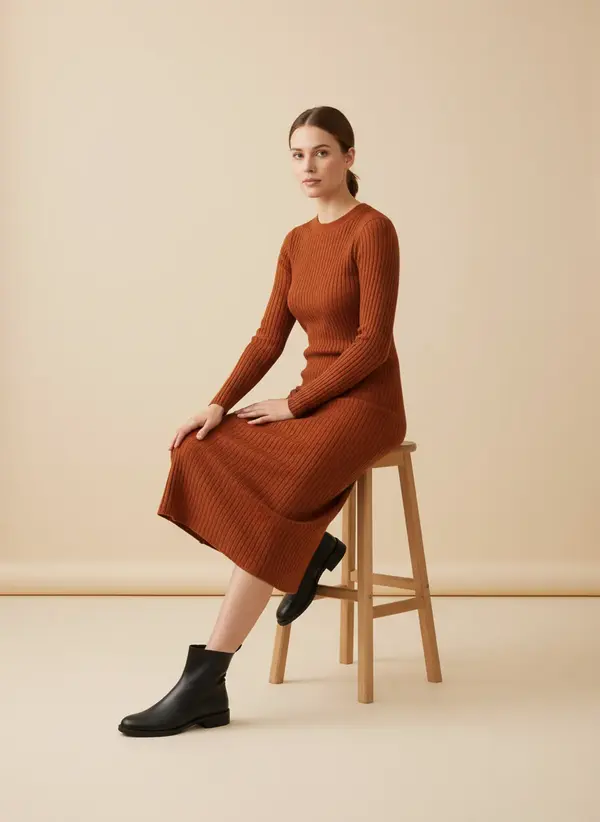
When does a sitting pose help a fashion photo?
A sitting pose helps when the shopper needs to know how the garment behaves once the body bends: where a skirt ends on the leg, how trousers break at the knee, whether a jacket opens or bunches. A standing photo can’t answer those questions. A seated one can, which is why it earns a place in the set.
It is never the first image. The front, the three-quarter and the back describe the product; the seated frame adds comfort and character. If you already have a good standing photo, an AI pose changer can make the seated version with the same model, outfit and light, so you don’t need to book the model again for one frame.
Most guides to sitting poses for a photoshoot are written for portraits and judge a pose by how the person looks. For clothes the test is different: after the model sits, can you still see the neckline, the waist, the hem and the shoes? The 12 poses below pass that test. For standing frames, see our 21 fashion model poses.
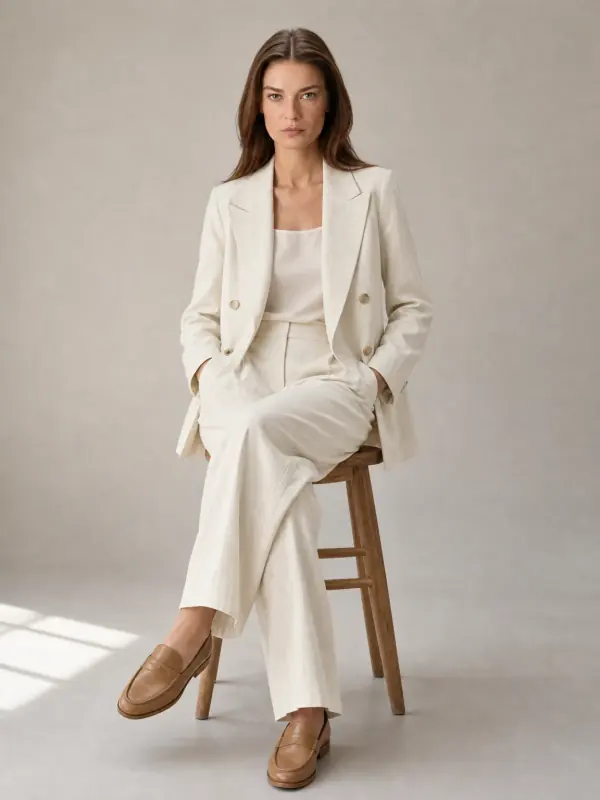
Sitting poses for photoshoot sets on a chair or stool
A stool is the easiest seat for clothing: no backrest to hide the garment and a height that keeps the thighs sloping down.
1. Front edge, back straight
Sit on the first third of the seat, spine tall, feet staggered. The basic seated pose for dresses and suits.
2. Leaning forward
Forearms on the thighs, hands loose. Relaxed and direct; best for jackets, shirts and knitwear.
3. One foot on the rung
One foot on the stool’s rung, the other on the floor. Raises one knee and shows trouser width and the shoe.
4. Sideways on a chair
Sit across the chair with one arm on the backrest. Turns the torso and shows the side seam and the sleeve.
5. Ankles crossed
Cross at the ankle, not the knee. A knee cross lifts the hem and hides half the skirt or one trouser leg.
6. Seated crop
Frame from the knees up for necklines, belts and cuffs. Keep the hands relaxed on the lap, not gripping the seat.
Sitting poses on the floor, a bench or steps
Lower seats look more casual. They also fold the body more, so check what the garment loses in each one.
7. Bench, hand behind
Sit near one end of a bench with one hand resting behind you. Opens the chest and lengthens the torso.
8. Steps, feet on two levels
Sit on one step with the feet on different steps below. The legs separate, so both trouser legs and shoes read.
9. Floor, one knee up
One leg flat, one knee raised, an arm resting on it. Works for jeans, wide trousers and oversized knits.
10. Floor, cross-legged
Only for soft, wide pieces. It hides the fit of the trousers completely, so use it for mood, not for the listing.
11. Low cube or plinth
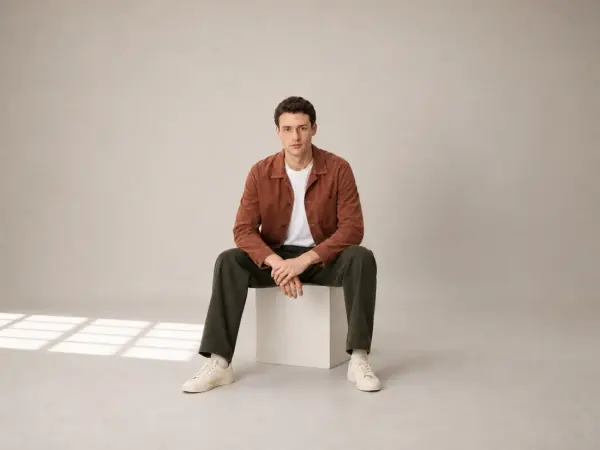
A plain block about knee height gives a clean studio look and keeps attention on the outfit.
12. Window sill or sofa edge
A lifestyle frame. Sit on the edge, never sink back: deep cushions swallow the garment.
What sitting does to dresses, trousers and jackets
Sitting shortens everything below the waist. Skirts and dresses ride up when the model sits, so a knee-length hem lands above the knee and a midi shows more calf. Smooth the fabric under the thighs first and angle the knees away from the camera. Slip and wrap styles pool in the lap; arrange that fold on purpose. The dress on model AI page has a ribbed knit dress shown standing and seated, and the guide to photographing dresses for sale covers length in more detail.
Trousers rise at the ankle and tighten over the thigh. That is useful: a seated frame shows the real width at the knee and how much sock or ankle shows. Pull the fabric up slightly at the thigh before sitting, as you would in a suit, so the knee doesn’t stretch. You can compare standing and seated frames on the pants on model AI page.
Jackets and blazers must be unbuttoned. A buttoned jacket pulls into creases around the button and lifts off the collar when the model sits. Knitwear folds at the waist, so lift the hem a little and let it settle. On a matching set, the gap between top and skirt changes; look at the knit set on the two-piece set on model AI page.
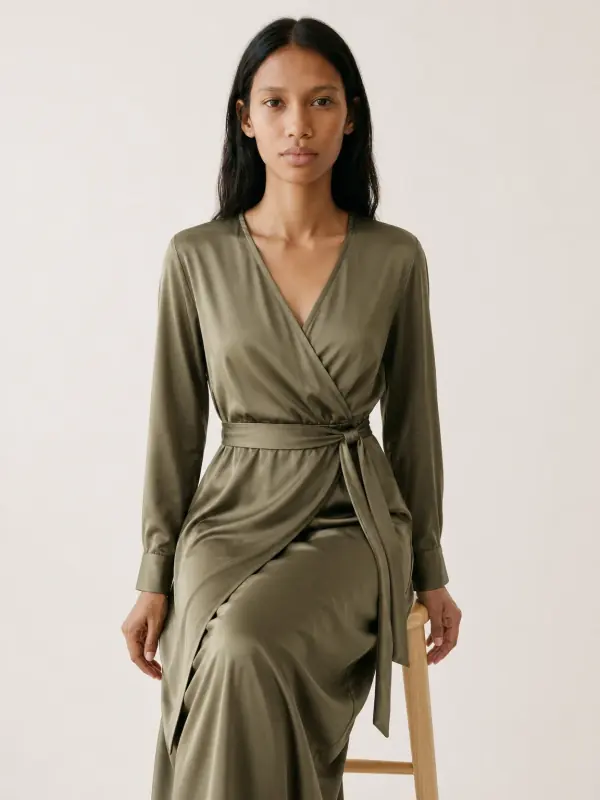
Sitting poses for women and for men
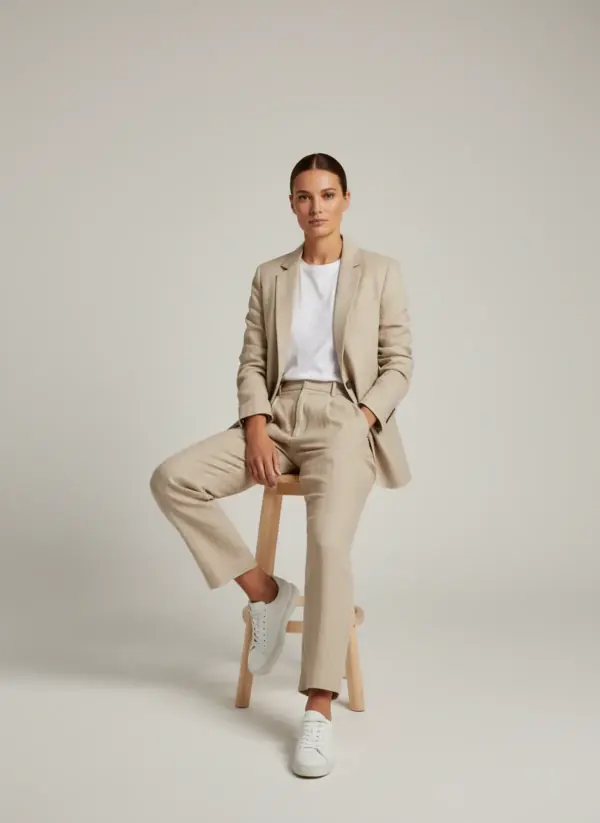
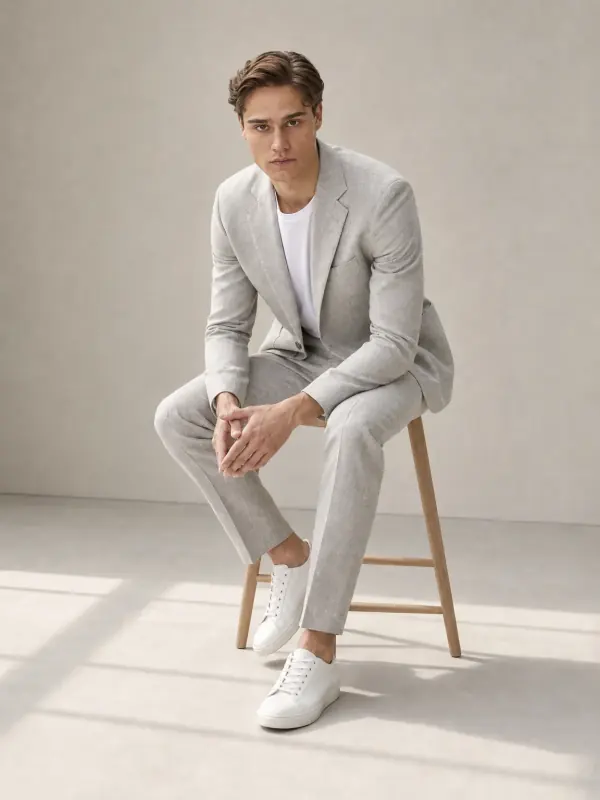
The seats are the same; the angles differ a little. For womenswear, turn the knees together to one side and keep the back long: it shows the waist and keeps a skirt hem level. For menswear, a wider base with the feet apart and the forearms on the thighs looks natural and shows the jacket shoulders.
Neither is a rule. A woman in a trouser suit can take the forward-leaning pose, and a man in a soft knit can sit sideways on a chair. Pick by garment, not by gender. Our list of male model poses has two more seated options for suits and streetwear.
Where to put the camera for a seated pose
Lower the camera to the model’s chest height. That is the main difference from a standing frame: the model’s chest is now about 90 to 100 cm from the floor, so the photographer kneels or lowers the tripod. Shooting down from standing height shortens the legs and makes the head look large.
Keep the knees and feet from pointing straight at the lens. Whatever is closest to the camera looks biggest, so shoes pointed at the lens grow and the garment shrinks. A three-quarter turn of the body fixes it.
Frame the whole figure with the seat and both feet inside the picture, and leave a little floor in front of the shoes. A 3:4 or 4:5 vertical frame still works; the model simply sits lower in it.
Standing to seated: Garmo examples
Each set shows the same garment standing and seated. The first two were made from a plain product photo; the third started from a standing model photo.
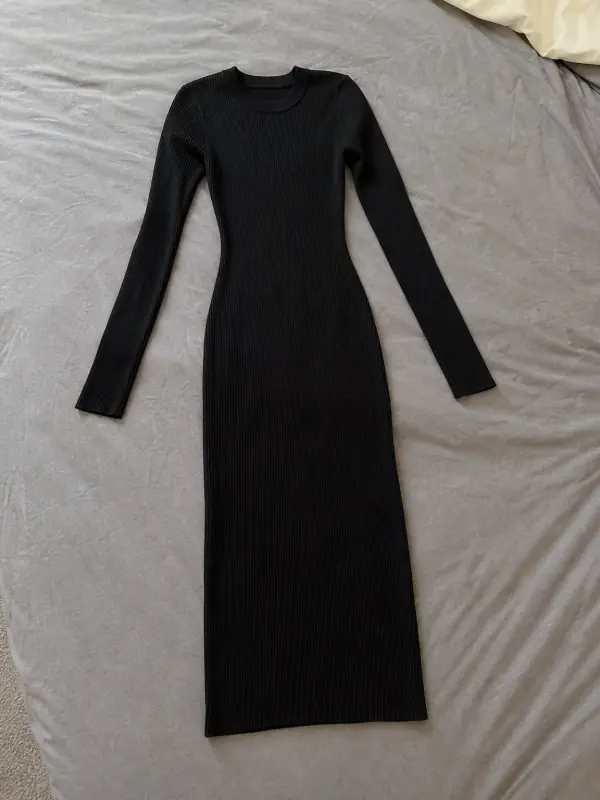
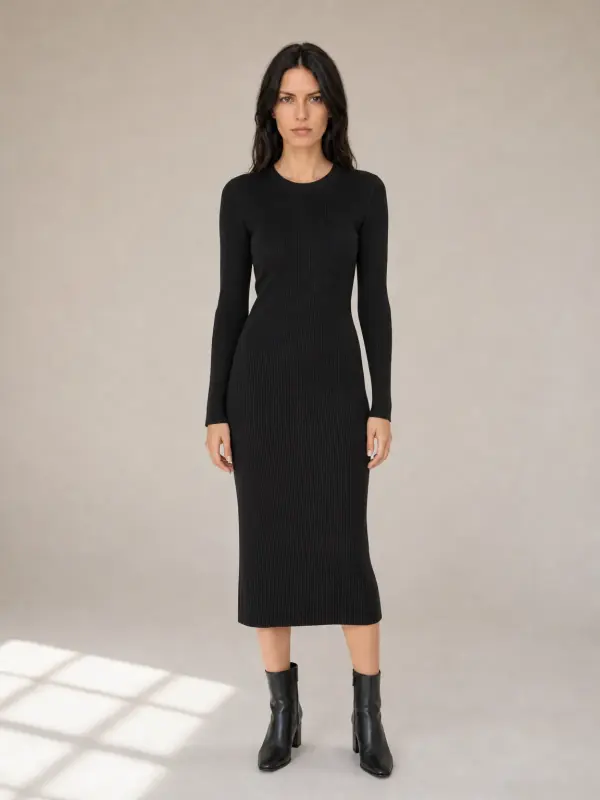
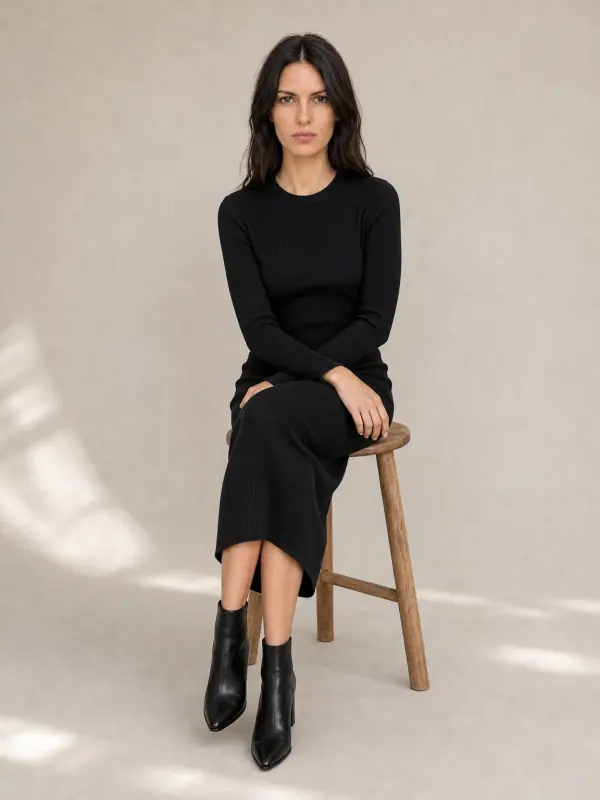
A ribbed knit dress
Seated, the midi hem moves up the calf and the knit folds at the waist. The neckline, the sleeves and the black colour stay as in the front frame.
 Your photo
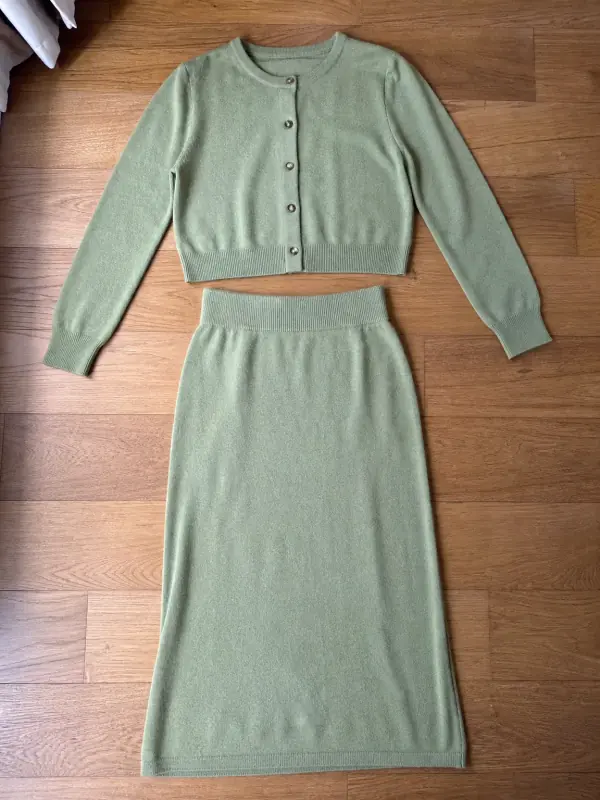
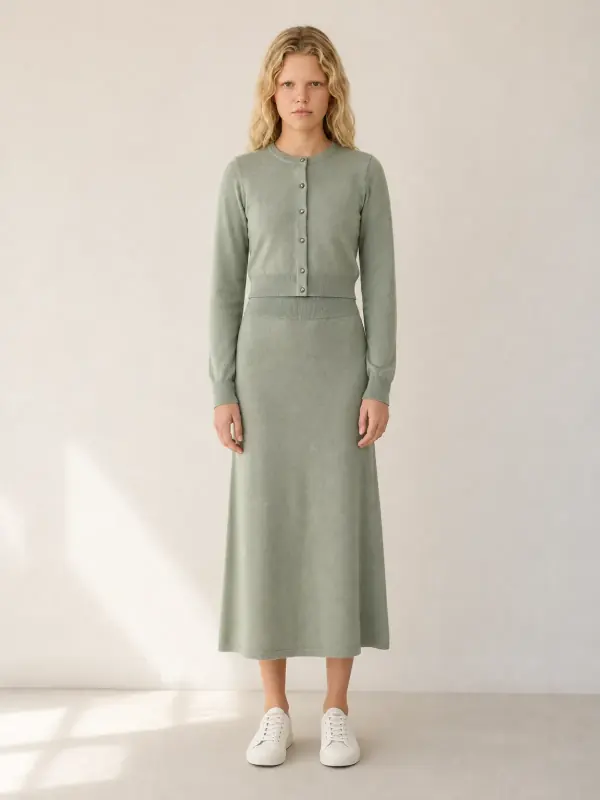
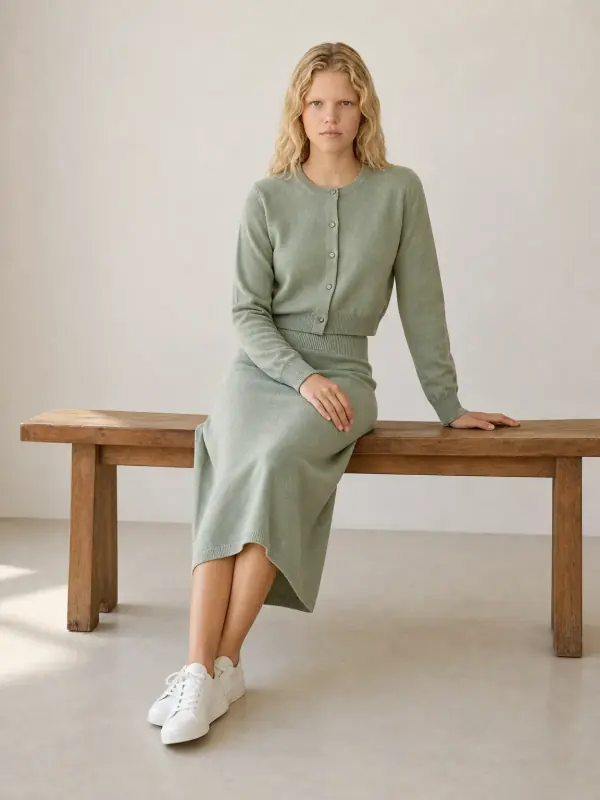
A knit cardigan and skirt
On the bench the skirt spreads and the cardigan hem lifts slightly, which shows how the two pieces sit together.
 Your photo
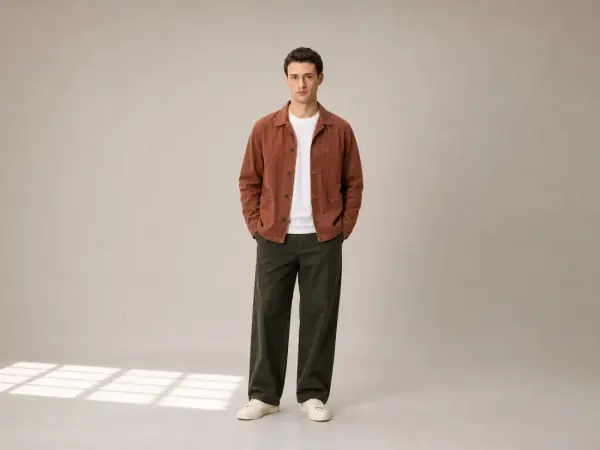
A chore jacket outfit
Made with the pose changer from the standing photo. The jacket, T-shirt, trousers and sneakers are unchanged; the seat is a plain studio cube.
 Your photo
How to get a seated frame without a second shoot
Garmo gives you two ways. From a product photo, the AI model photoshoot has Seated as one of its seven base poses for clothing, next to front, three-quarter, walking, back, side and detail. From an existing on-model photo, the pose changer has a Seated option; each new pose is one image, and the first 3 images are free.
Check three things on every seated result. The hem: its length on the leg should be believable for the garment. The hands: they rest on the lap or the knee, and fingers are the detail most likely to need another try. The lap: the fold of fabric there is built by the AI, so compare prints and buttons with your original.
Sitting pose questions
How do you pose sitting down for a photoshoot?
Sit on the front edge of the seat with your back straight, turn your body about 45 degrees from the camera and place your feet at different distances. Rest your hands loosely on your lap or one knee. Sitting on the edge keeps the thighs sloping down, which makes legs look longer and keeps clothes smooth.
What are good sitting poses for photoshoot at home?
A plain stool or dining chair by a window is enough. Try the front-edge pose, sideways on the chair with an arm on the backrest, and on the floor with one knee up against a bare wall. Avoid sofas and beds: soft cushions fold the body and hide the outfit.
What are the best sitting poses for photoshoot in a dress?
Sit on the edge of a stool with the knees together and angled to one side, ankles crossed. Smooth the skirt under you before sitting so the hem stays level. For long dresses, a bench or steps let the fabric fall in front of the legs and show its length.
Are sitting poses good for product photos?
Yes, as a supporting image. A seated frame shows how a garment bends, where the hem lands and how trousers break at the knee. It should come after the front, three-quarter and back views, because it always hides part of the garment, usually the back and the seat.
How do men sit for a photoshoot?
Feet apart, leaning forward a little with the forearms on the thighs, or upright on the front edge of the seat with one foot ahead. Unbutton a jacket first. Avoid leaning back with the arms crossed, which covers the chest and creases the sleeves.
Tools for seated model photos
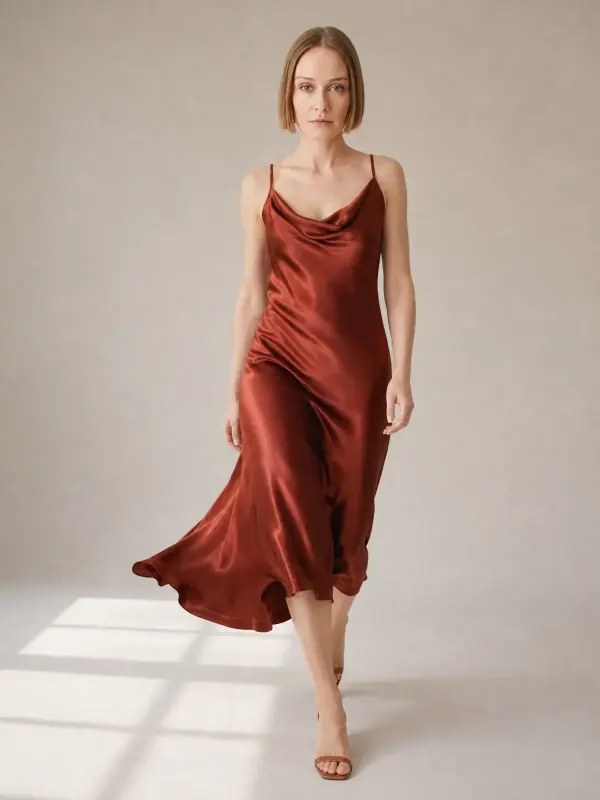
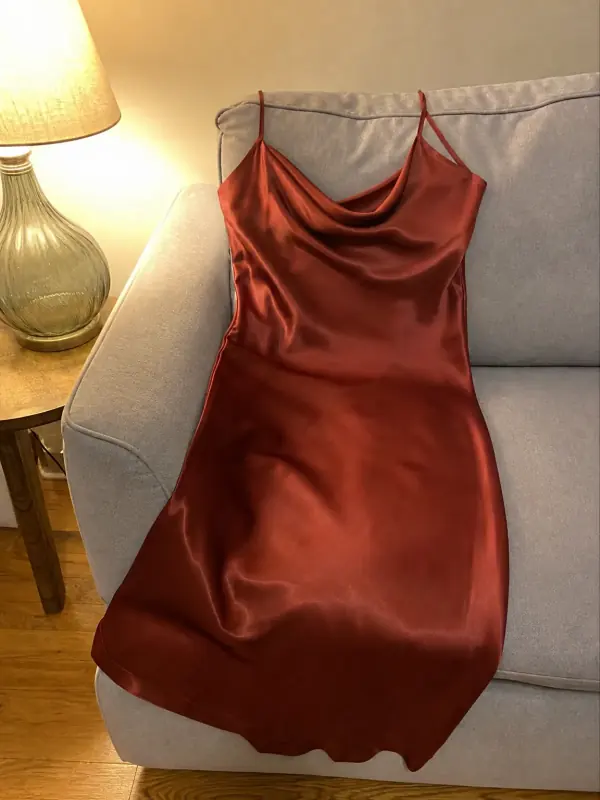 Dress on model AISlip, maxi and knit dresses worn by a model, with walking frames that show how the skirt moves.
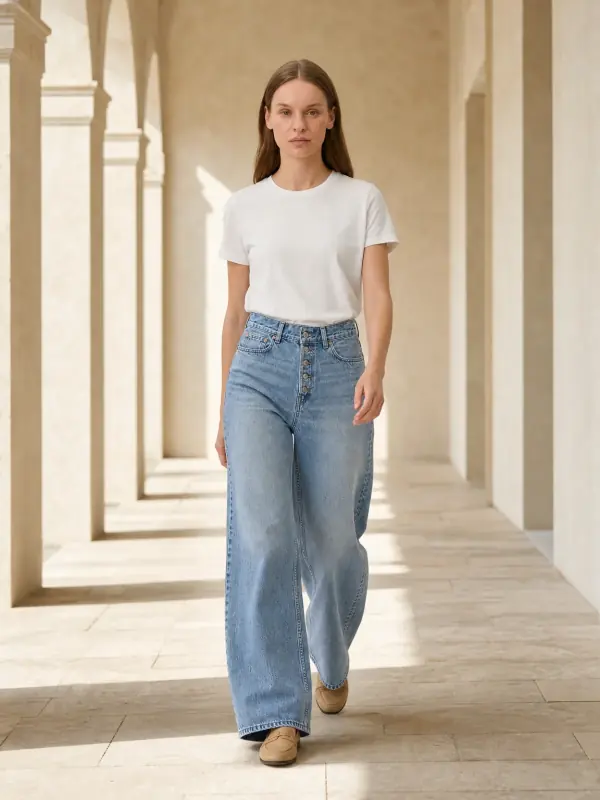
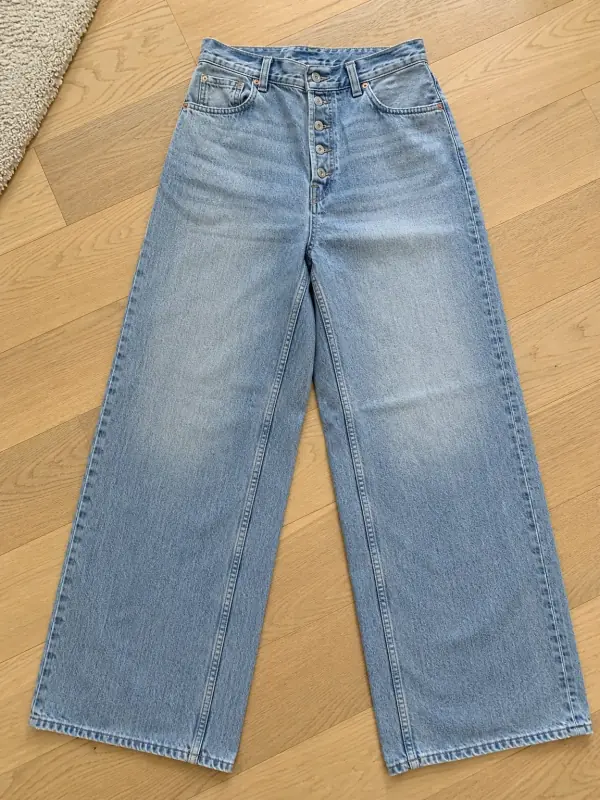 Pants and skirts on modelJeans, trousers and skirts on a model, with front, side and walking frames that show the cut of the leg.
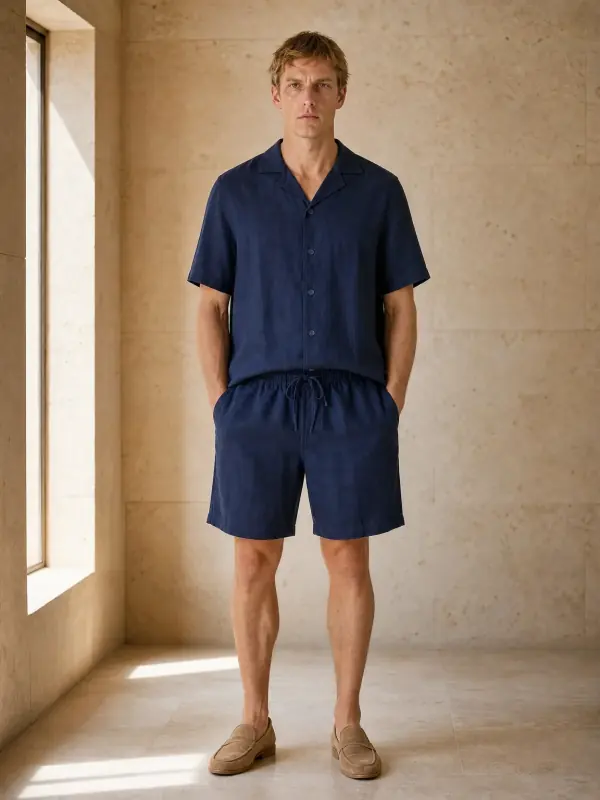
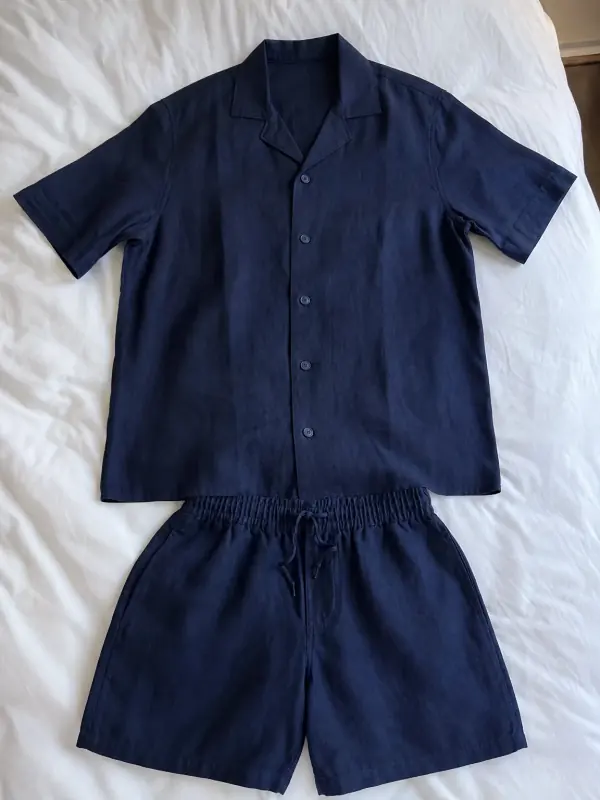 Two-piece set on model AIMatching sets and co-ords worn together, so shoppers see the whole outfit the way it is sold.
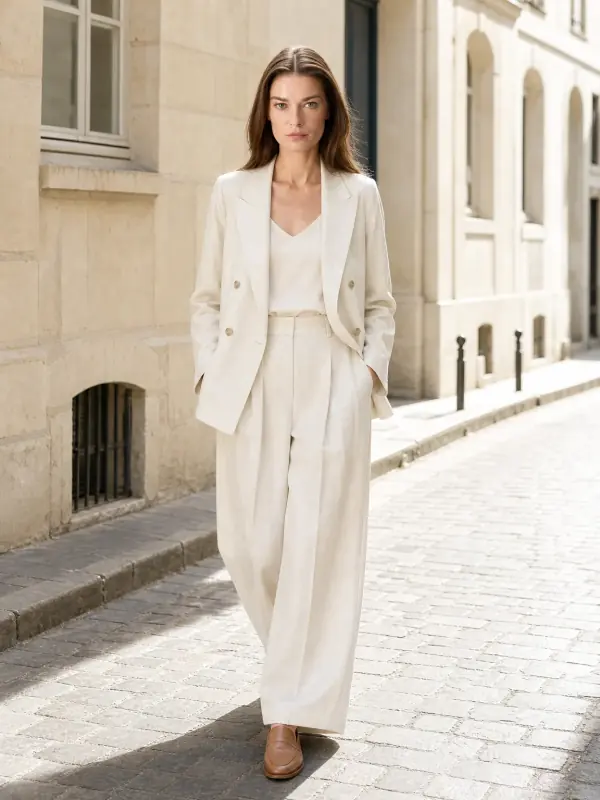
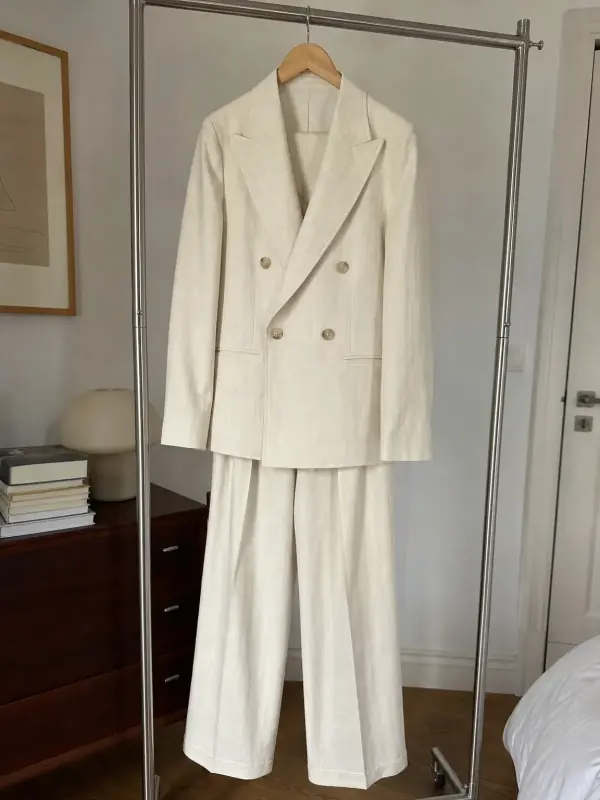 AI model photoshootTurn one product photo into a full photoshoot with a model: studio, street, editorial or a scene you describe, with up to six angles.
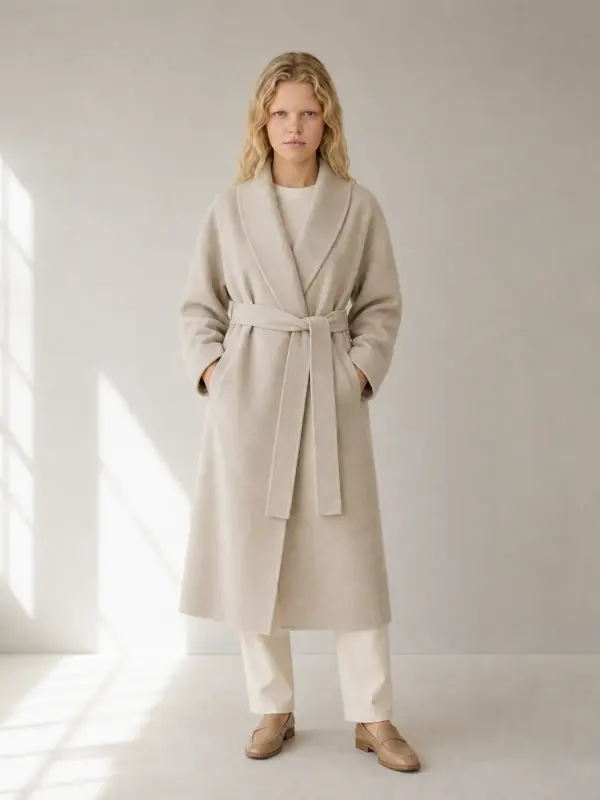
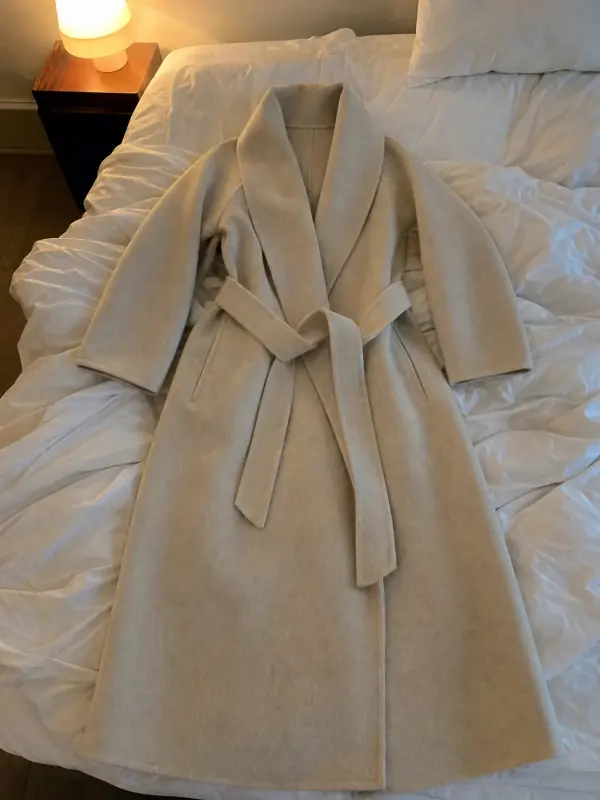 Flat lay to modelLay the garment flat, take one phone photo and get it worn by an AI model from three angles.
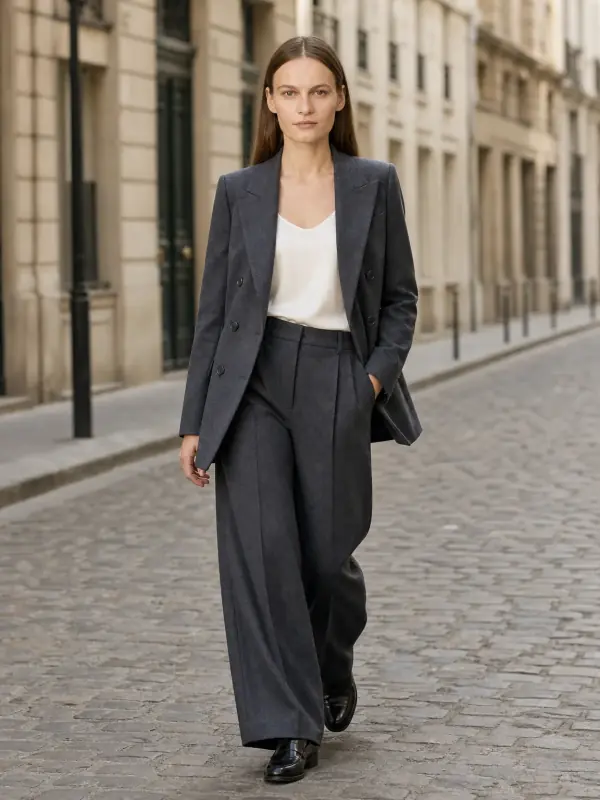
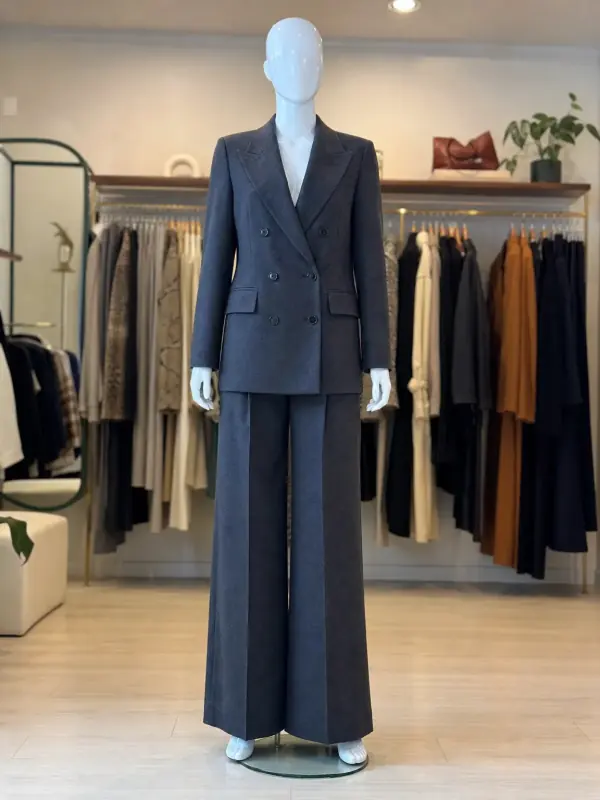 Mannequin to model AIAlready shoot on a mannequin or dress form? Upload that photo as it is and get the same piece worn by a model.