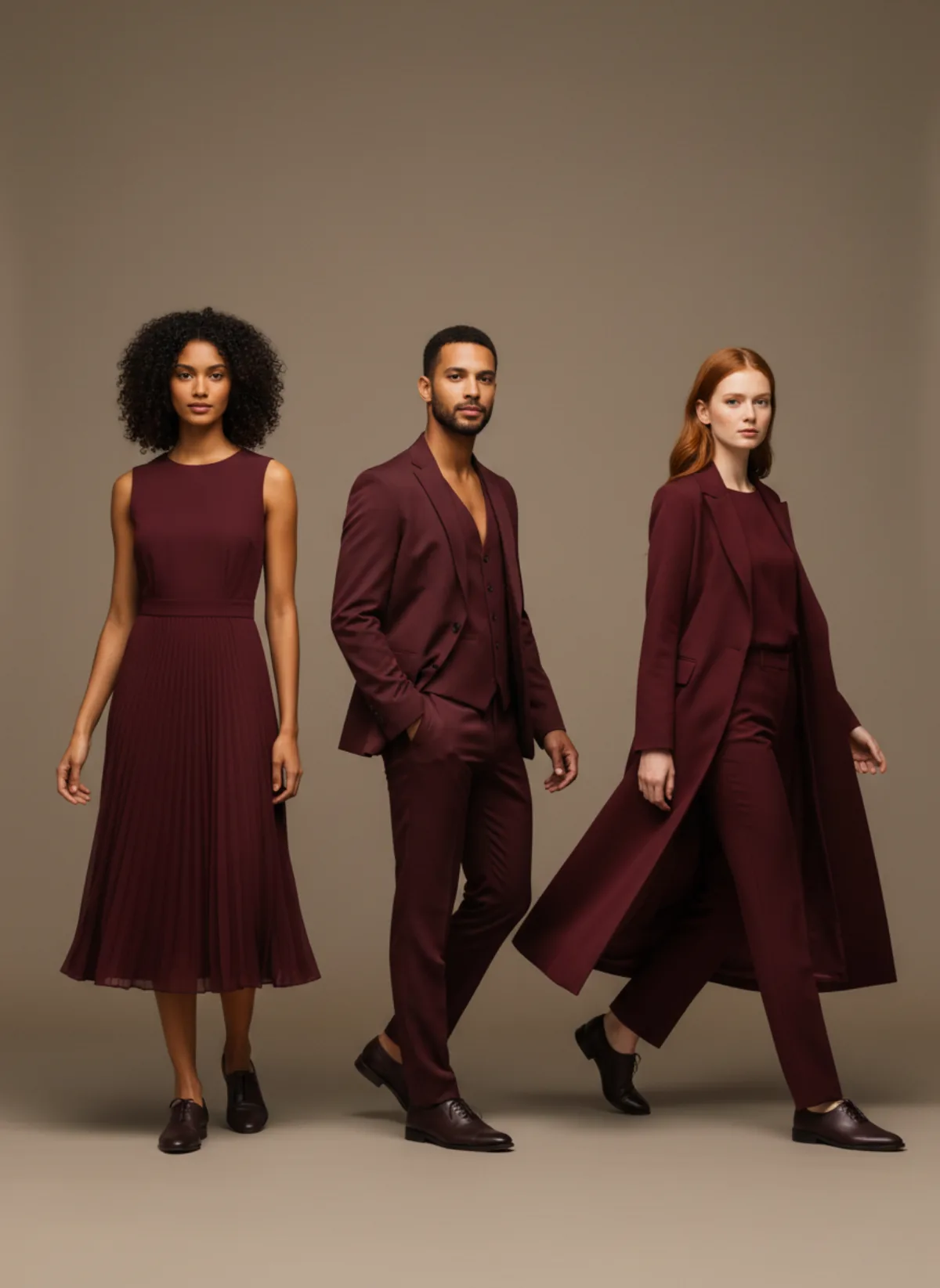
Choose the pose from the garment
A pose is useful when it answers a product question. A straight stance establishes length, a three-quarter turn shows depth, a step reveals drape and a seated frame tests how the item behaves when the body bends. Begin every AI model photoshoot with that job. If the only reason for a pose is that it looks dramatic, keep it for the campaign section rather than the first product images.
Clear the garment before adding expression. Hair should not cover a collar, crossed arms should not hide a print, hands should not sit over a fastening and a bag should not replace the silhouette. The model can feel natural without occupying the product. Ask what the shopper loses when a limb moves. If the answer is the waist, pocket, sleeve or side seam, change the position.
Use a fixed neutral pose across the collection before creative variations. That common frame lets buyers compare garment length and proportion from one SKU to the next. When you use put clothes on an AI model, keep the same person, camera distance and floor mark for the catalog anchor; variation belongs in later frames.
Seven catalog poses
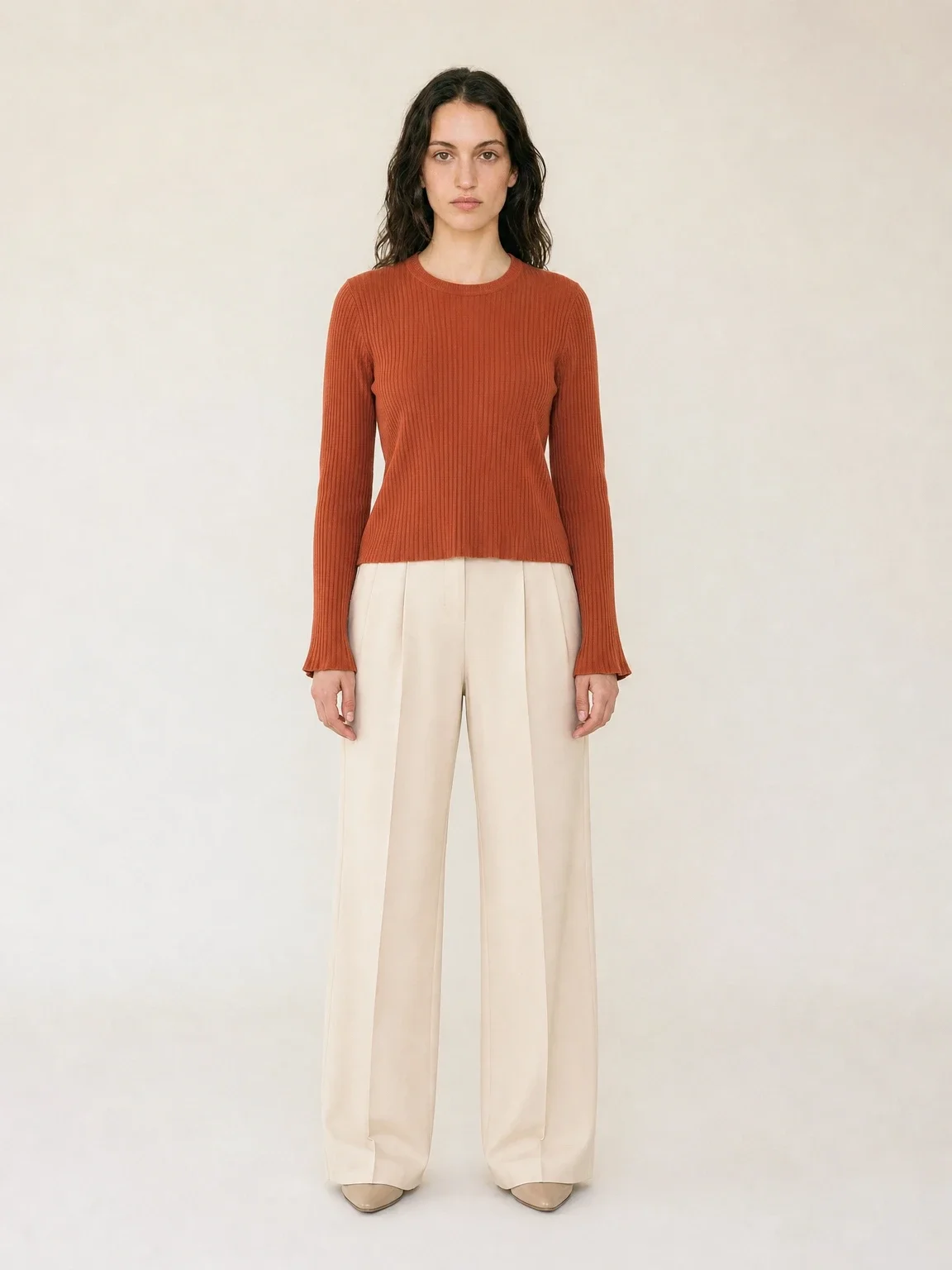
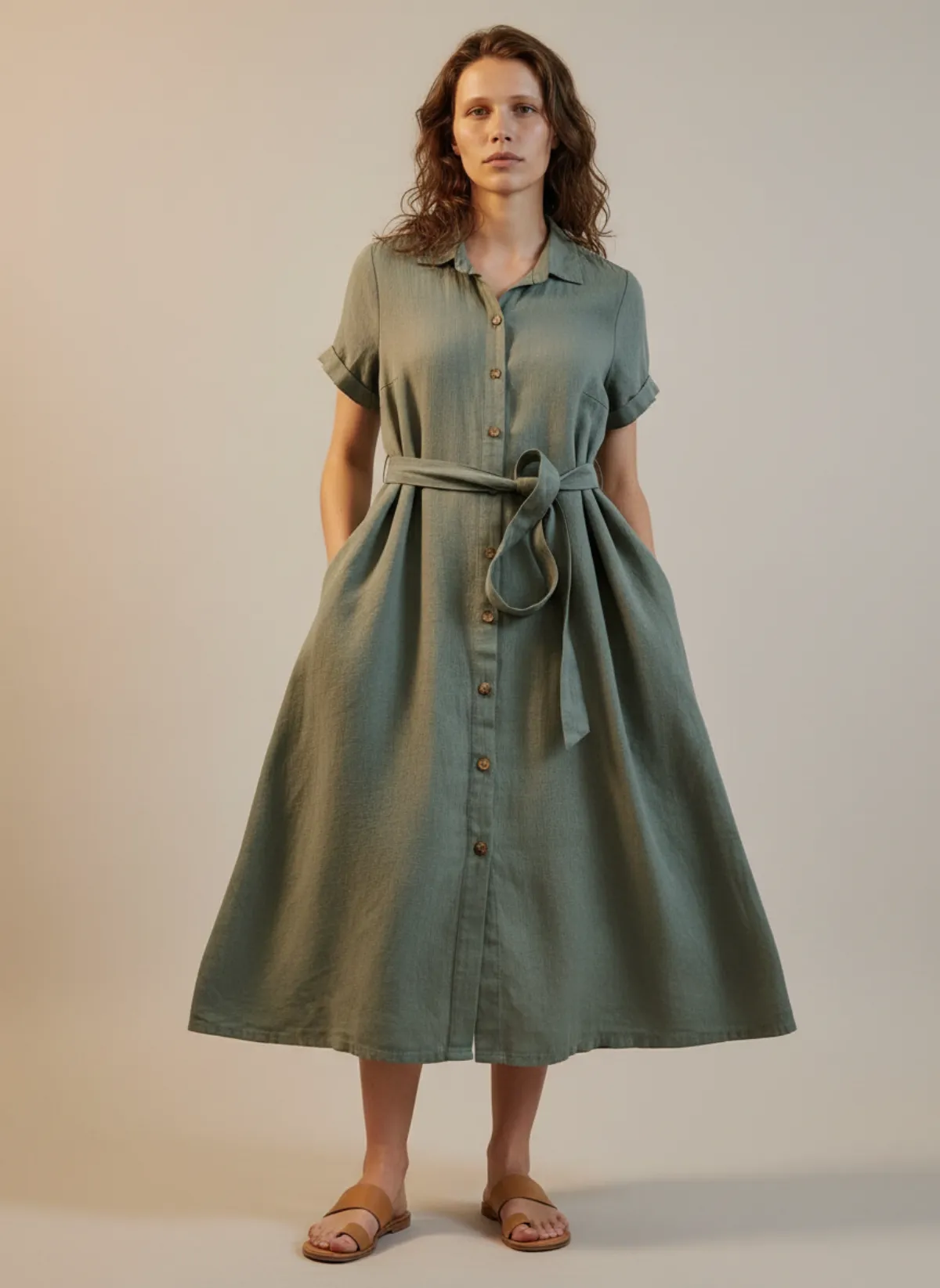
1. Balanced front
Feet hip-width apart, weight even, shoulders relaxed and arms slightly separated. Best for the main image because it shows neckline, waist, hem and both sleeves without distortion.
2. Soft three-quarter
Turn the torso 30–45 degrees while keeping the garment front readable. Useful for tailored jackets, dresses and trousers because it adds shape without becoming theatrical.
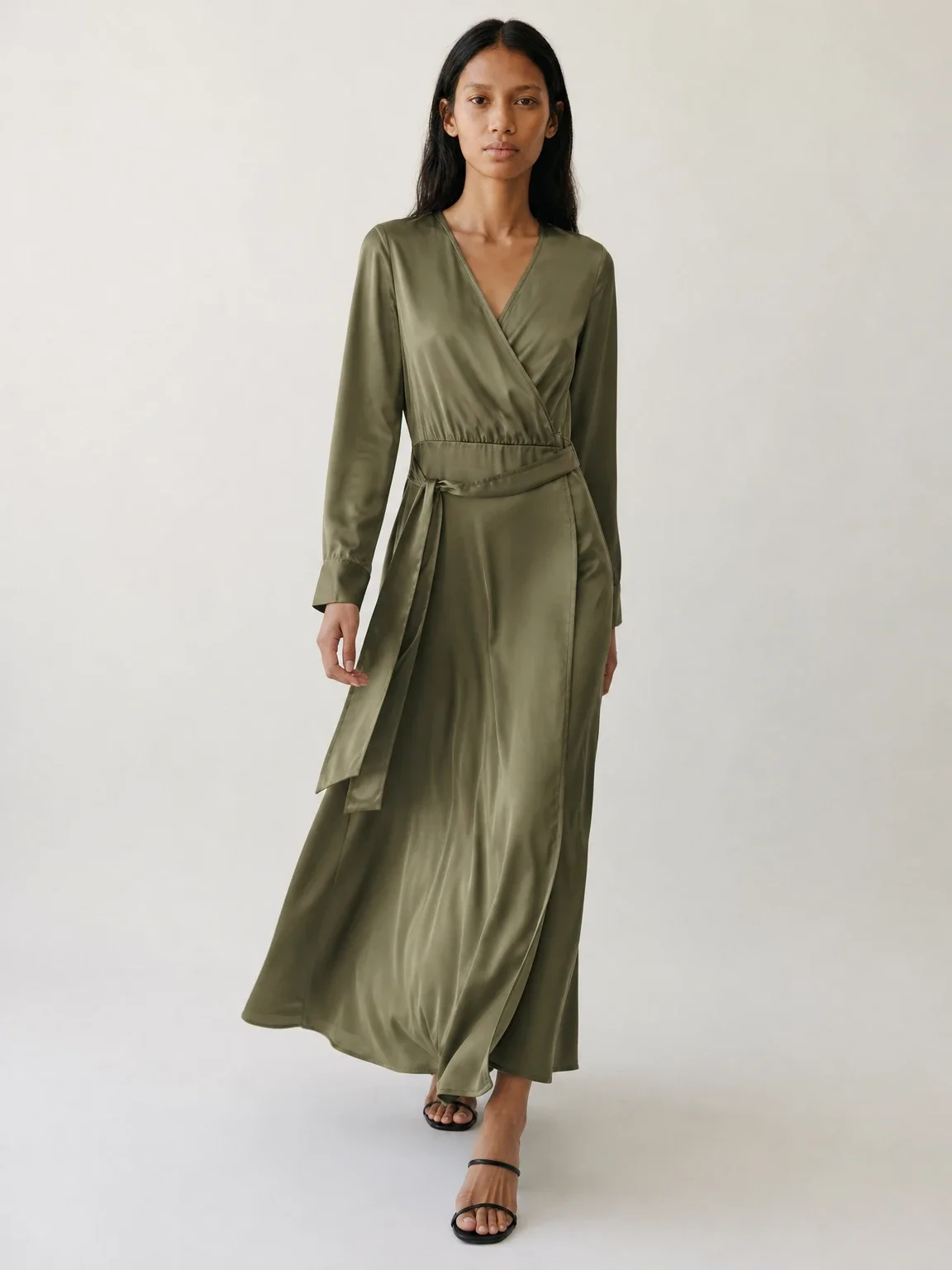
3. Small step forward
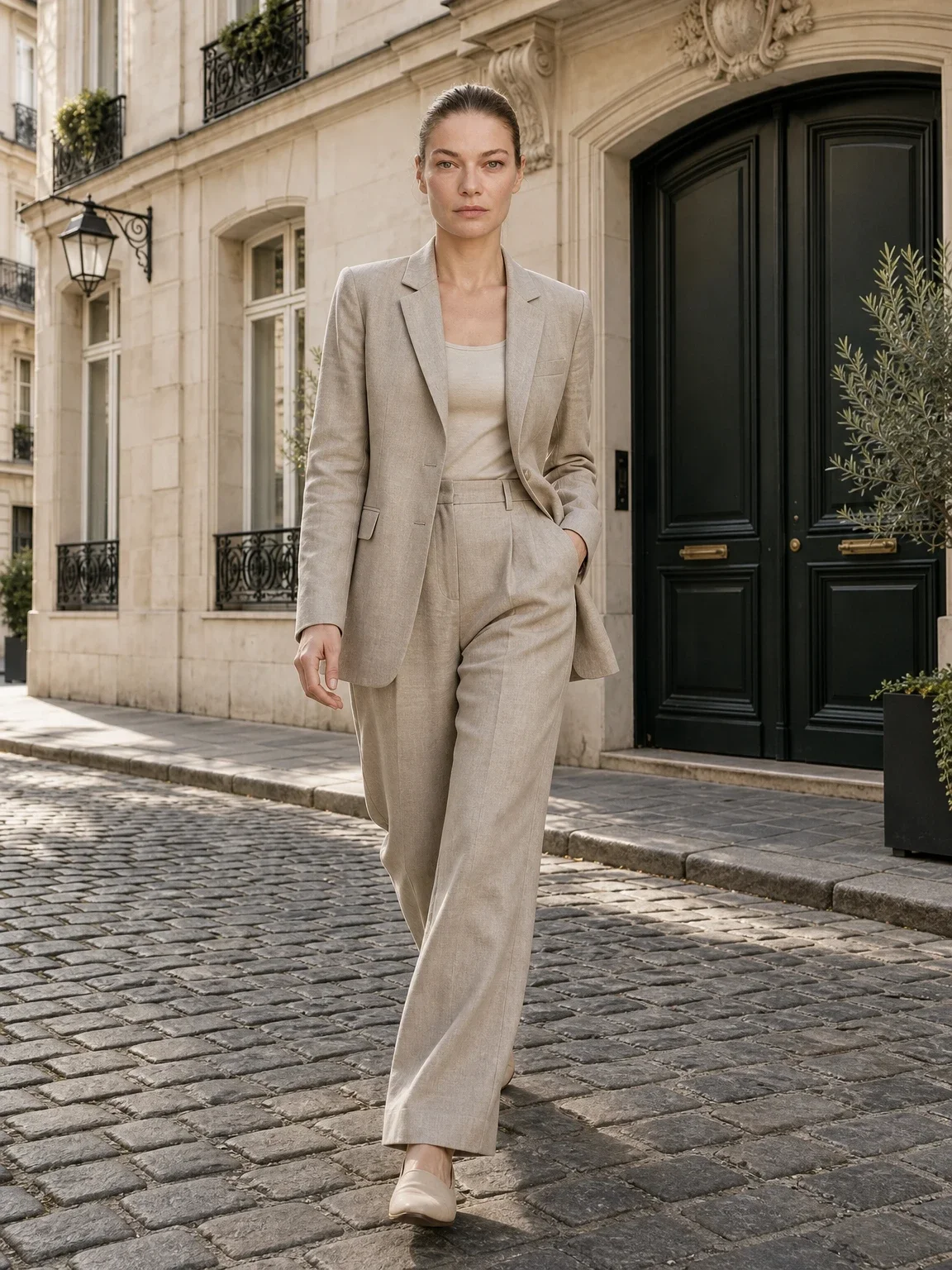
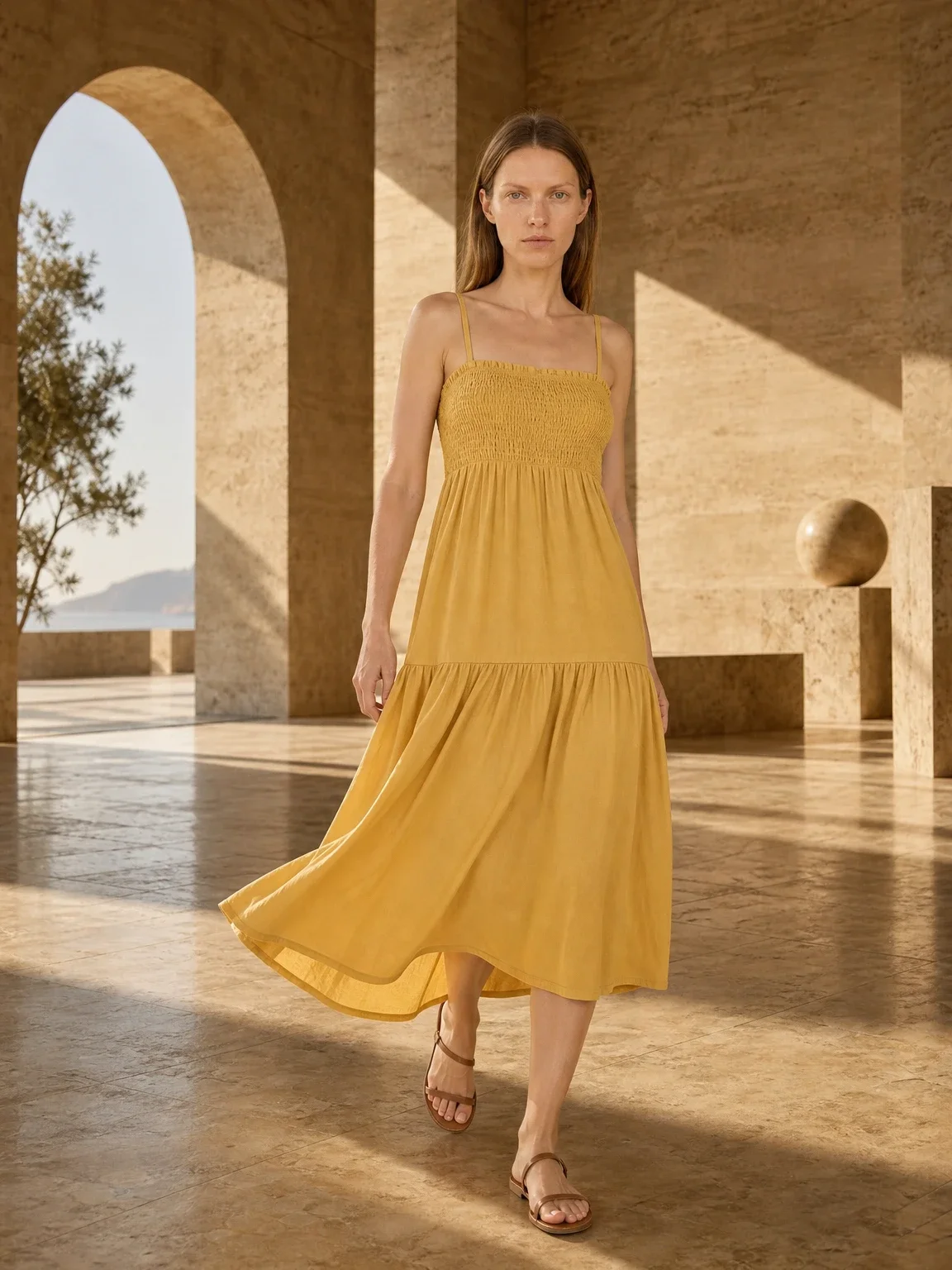
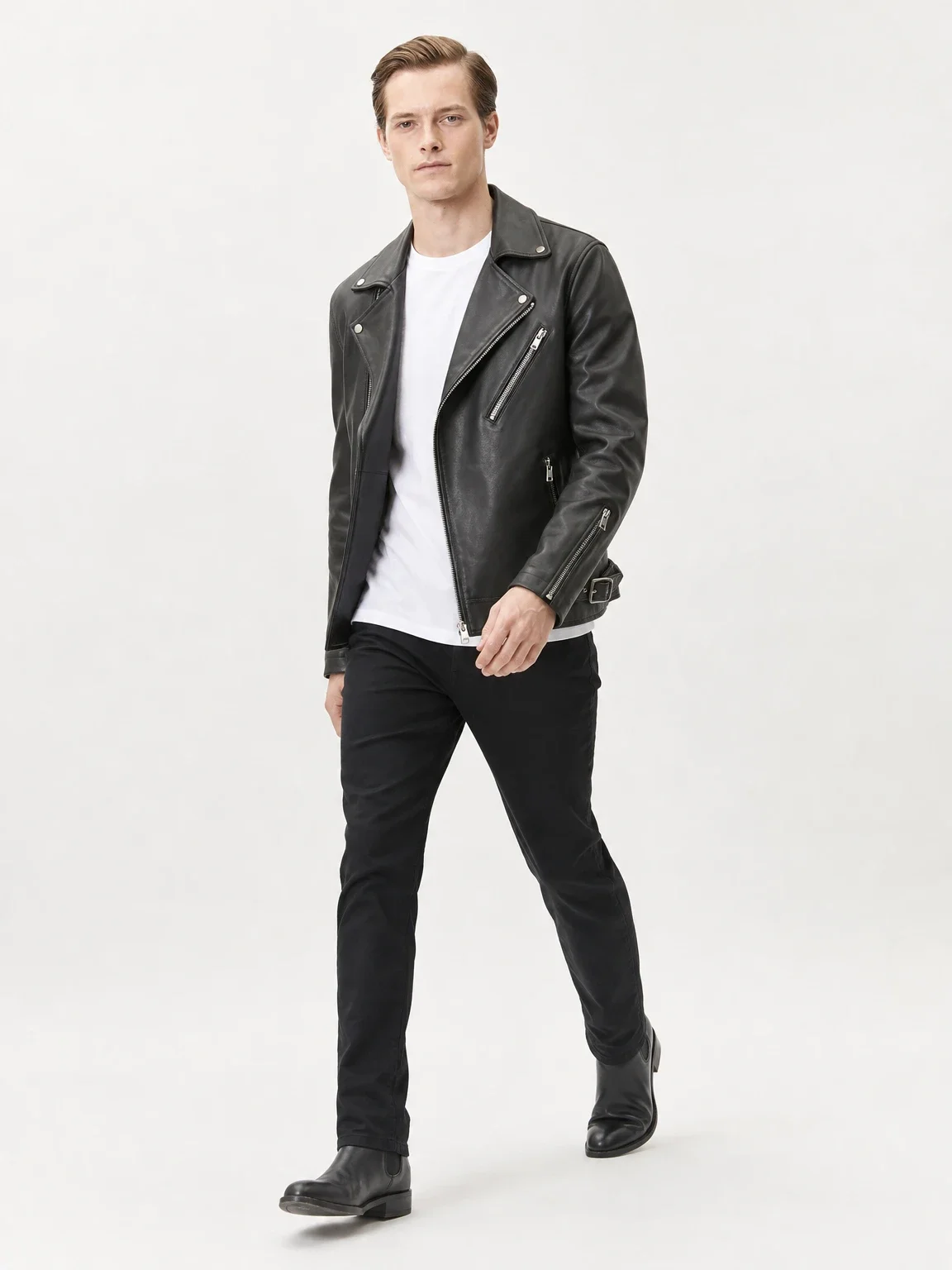
Take one controlled step with the leading foot visible and arms quiet. Use it for coats, skirts and wide trousers when movement explains fabric weight and volume.
4. Direct back
Stand tall with arms clear of the side seams. Match the front camera position and provide a back reference so vents, straps, hoods and closures stay factual.
5. Jacket open
Hold the hands away from the lapels or rest one hand low. Show the outer layer, lining and styling beneath without pulling the jacket into an unnatural shape.
6. Relaxed profile
Use a true or near profile for sleeve shape, trouser rise and coat depth. Keep the near arm behind the key construction rather than across it.
7. Detail gesture
Bring one hand close to a cuff, pocket or collar without covering it. The gesture leads the eye, but the product feature remains completely visible.
Seven lookbook poses
8. Mid-stride
A longer step creates energy for streetwear and dresses. Keep hands away from prints and check that the trailing leg does not pull the hem into a false length.
9. Weight on one leg
Shift the hip gently while keeping shoulders calm. It softens tailoring and knitwear, but avoid an extreme angle that changes the apparent fit.
10. Seated upright
Sit near the edge of a simple block with torso long and feet grounded. Good for trousers and jackets when folds, rise and open layers need inspection.
11. Look back
Turn the head and upper body from a walking position. Reserve it for coats, back details and lifestyle frames; it is not a substitute for a direct factual back.
12. Hands in pockets
Use only when pockets exist and their openings remain accurate. The pose gives outerwear ease, but hands can distort a waistband or invent pocket depth.
13. Adjusting a layer
A light touch at a cuff or open jacket creates a candid moment. Keep fingers anatomically clean and do not cover logos, buttons or jewelry.
14. Paired models
Give each person a different but compatible action and leave space between silhouettes. Useful for coordinated sets, colour stories and collection pages.
Seven editorial poses without losing the product
The remaining ideas are a wide stance, low seated pose, controlled turn, coat in motion, lean against a clean wall, step on a low platform and still portrait with deliberate negative space. These frames can carry a campaign, banner or social post, but each needs one product rule. Keep the full hem in a wide stance; show the waistband in a low seat; protect the print during a turn; keep both lapels readable when the coat moves.
Change one variable at a time. If the model, pose, background, camera angle and lighting all change together, you cannot identify why the garment became inaccurate. Approve a front frame through AI product photography with models, then create the three-quarter or movement version from that visual direction. A collection feels intentional when the poses differ but the person, lens feeling and colour remain related.
Avoid imitation as a brief. A reference board can explain energy, crop and light, but do not ask to copy another brand's campaign or a recognisable photographer's exact image. Describe observable choices instead: camera at waist height, full-body frame, overcast street, relaxed step, hands clear of the garment. Specific physical direction is easier to repeat and safer to own.
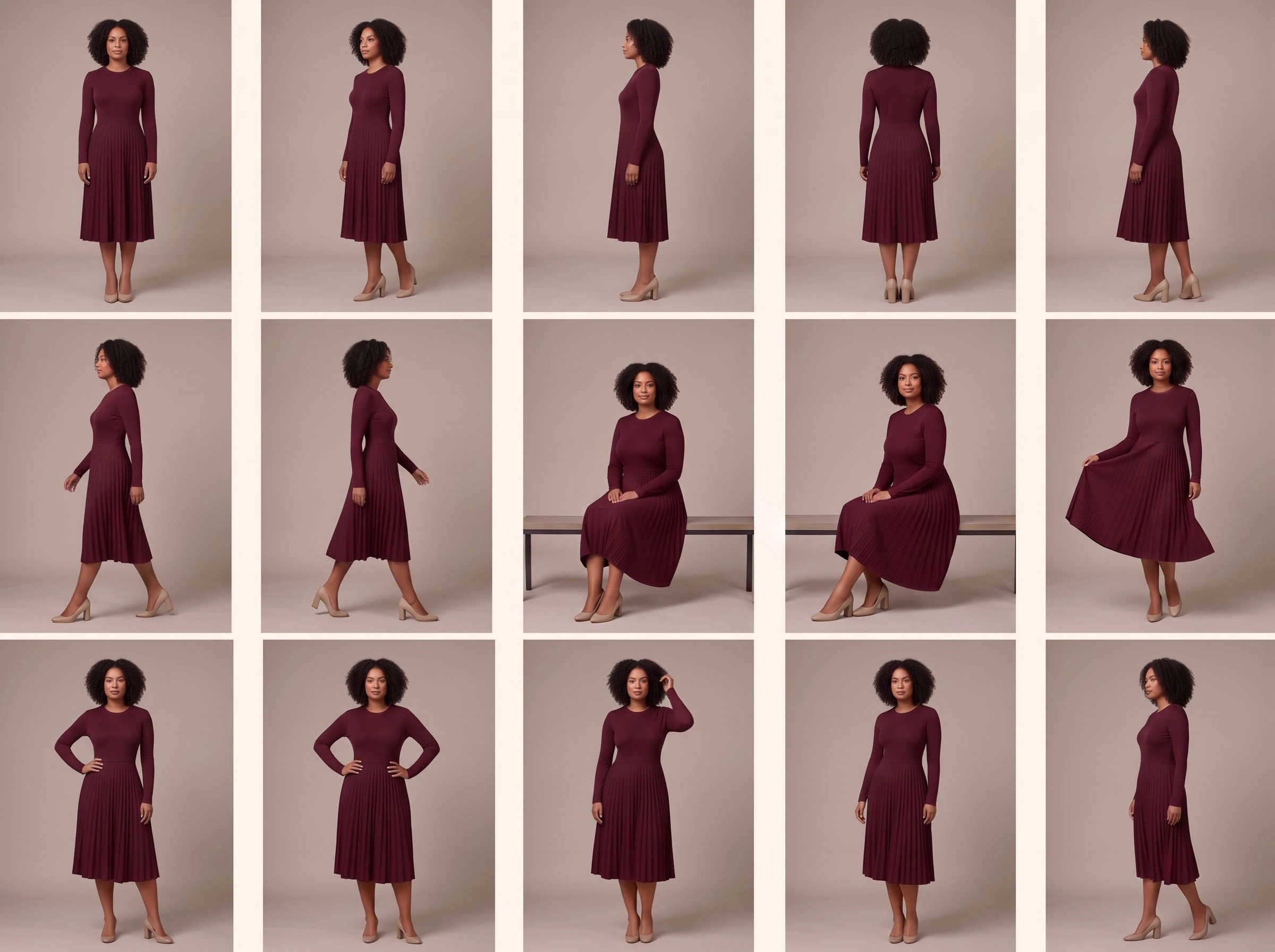
Check every pose at the contact points
Start with anatomy: count fingers where visible, inspect wrists and elbows, confirm both feet meet the floor and check that weight could physically balance. Then inspect garment contact. A hand entering a pocket must use the real opening; an arm crossing a blazer should not erase a button; hair should not merge with earrings or a collar. These small failures attract attention even when the overall frame looks polished.
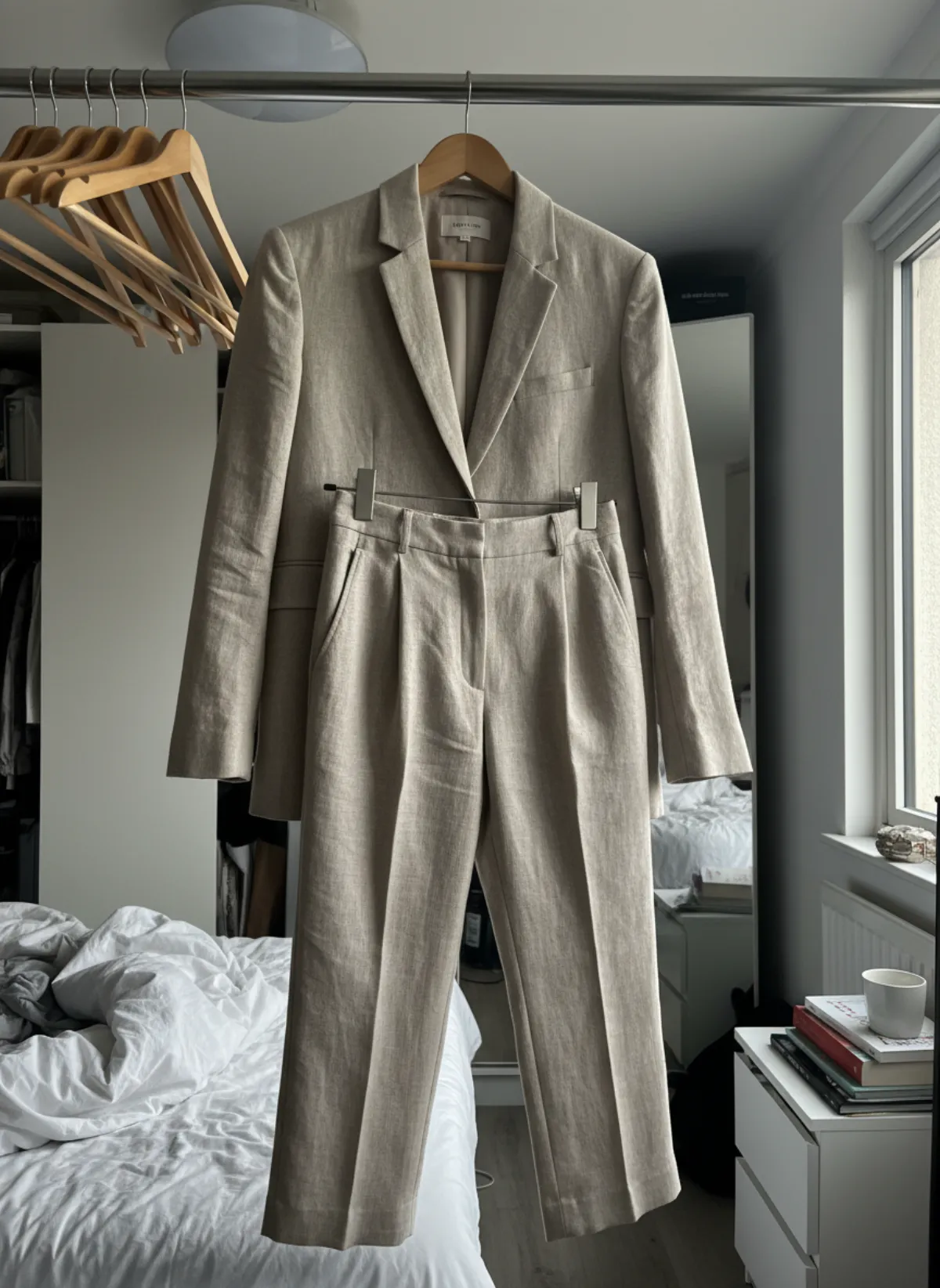
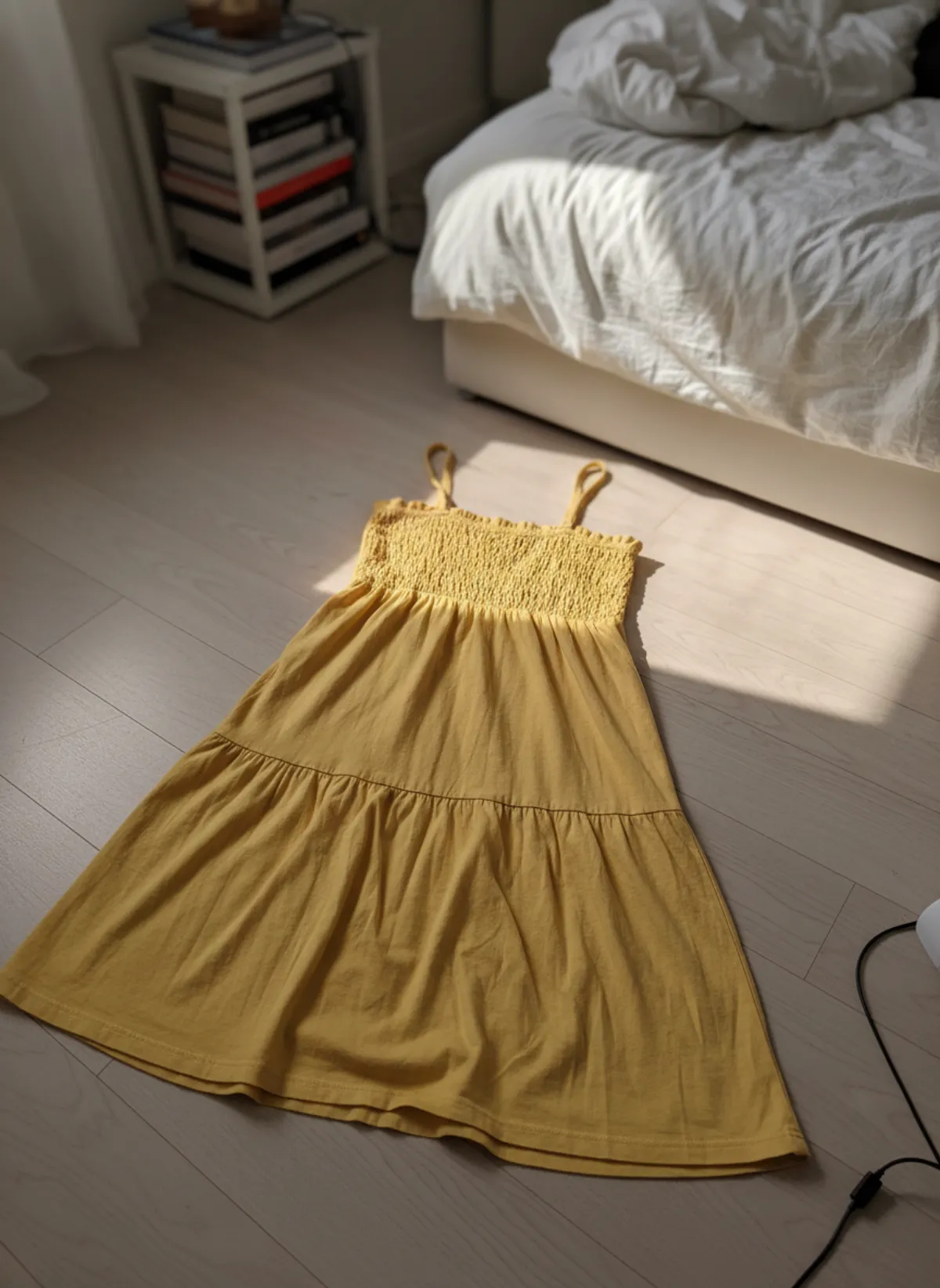
Next compare apparent fit with the source. A hip shift can make a straight dress look fitted, a seated frame can shorten a jacket and a low camera can exaggerate trousers. Use catalog poses for factual comparison and editorial poses for atmosphere. Never turn a flattering angle into a fit claim. Keep at least one real source and one neutral generated view beside the creative images.
Finally test the thumbnail. Reduce the image until it resembles a search result. The pose should still leave a single readable silhouette and the garment should remain the visual subject. If hands, scenery or expression become the strongest element, simplify. Good AI fashion model direction supports the clothing instead of competing with it. Before you choose poses, decide who will be wearing them: our guide to diverse AI models for ecommerce covers casting across ages and skin tones.
Fashion posing questions
What is the best model pose for a clothing product page?
Begin with a balanced front stance: even weight, relaxed shoulders, arms slightly away and the full garment visible. Add three-quarter, back and movement views after that anchor.
How do I pose a model without hiding the clothes?
Keep hair, hands, arms and accessories away from the product's key information. Check neckline, print, waist, pockets, closures and hem before approving the gesture.
Which poses work best for dresses?
Use a clean front, gentle three-quarter, controlled step and direct back. Add a restrained turn only when it shows the skirt's movement without changing its apparent length.
Which poses work for jackets and coats?
Photograph a neutral front closed, a three-quarter view, an open-layer frame, profile and walking pose. Keep lapels, closures, pockets and sleeve length visible.
Can the same pose set work for every model?
The shot objectives can stay consistent, but the exact stance should respect body proportions, mobility and the garment. Direct a physical action and product visibility rather than forcing an identical silhouette.