 Garmo team
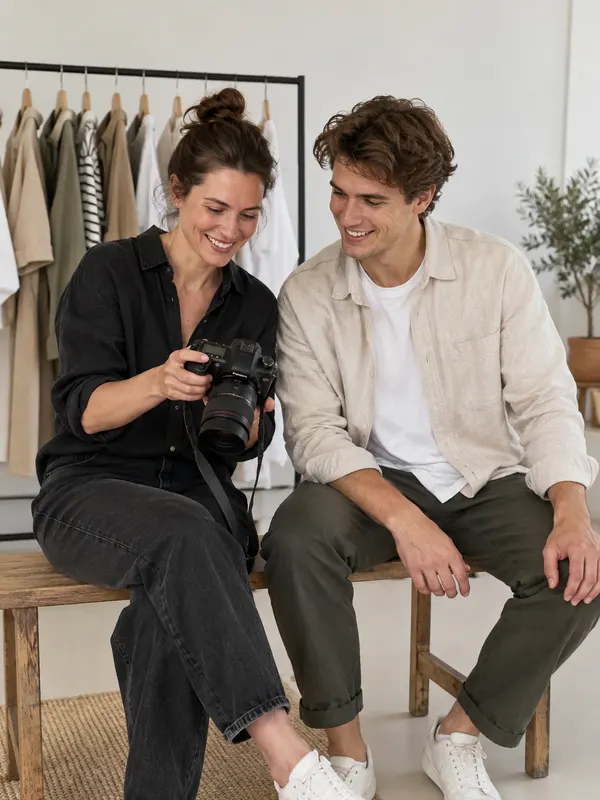
Do I need a model release form? The short answer
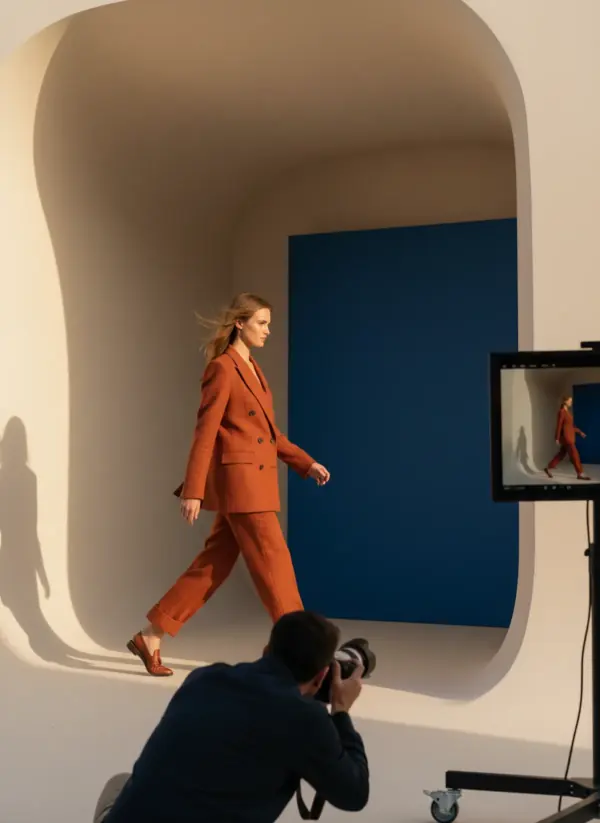
Yes, whenever you use a photo of a recognisable person for commercial purposes. Selling clothes counts: a product photo in a listing, a lookbook on your site, a reel that promotes your shop. In many places the law asks for consent to that use, and a signed release is how you prove you have it.
In New York, for example, section 50 of the Civil Rights Law forbids using a living person's portrait for advertising or trade without their written consent, or a parent's consent for a minor. Stock agencies apply the same logic: Adobe Stock's model release guidelines require a release for every recognisable person in commercial content. Rules differ by country, so treat this guide as general information, not legal advice.
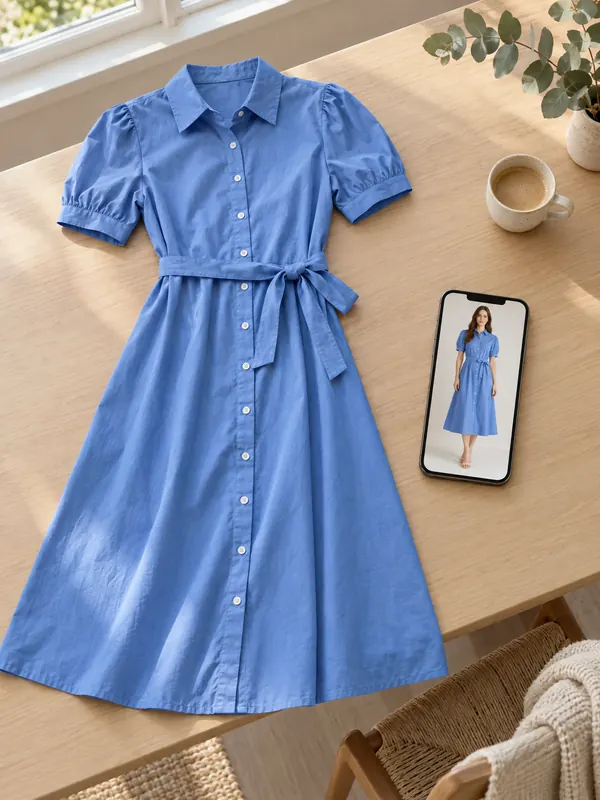
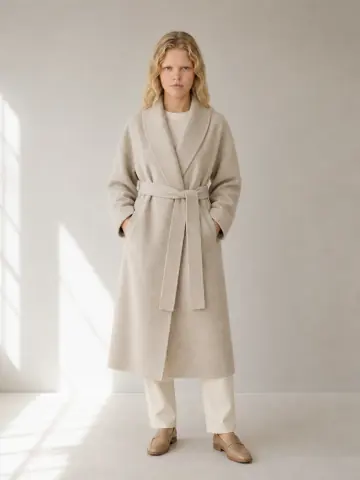
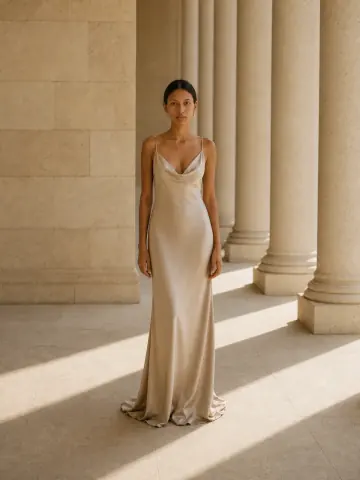
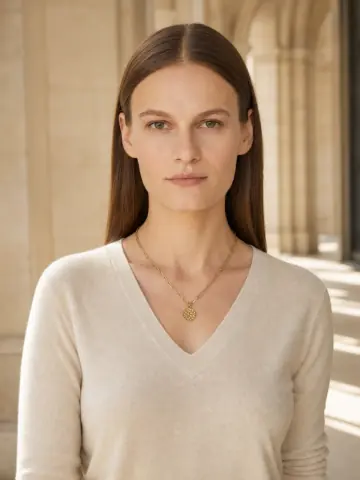
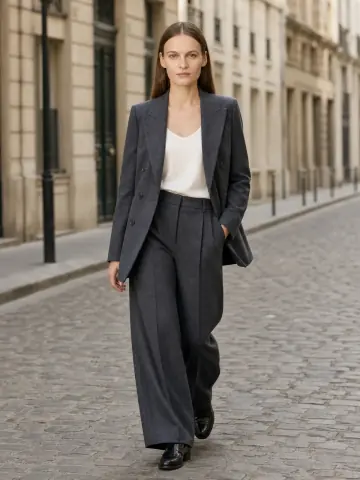
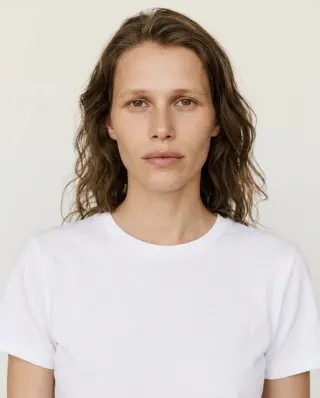
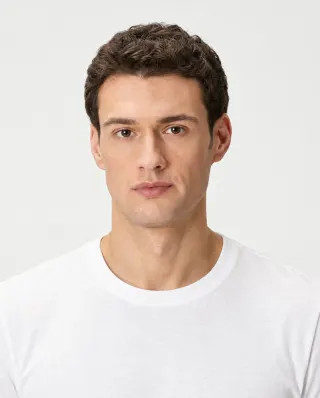
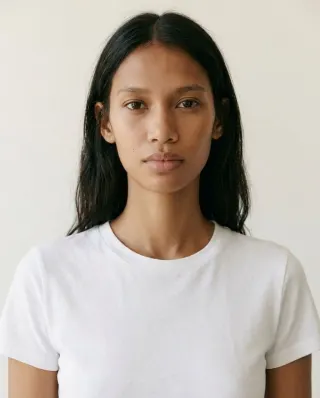
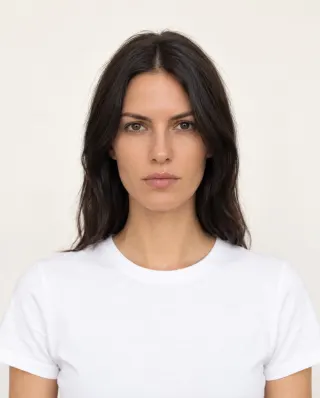
There are two easy ways to avoid the question altogether. Photograph the garment without a person, as a flat lay or on a hanger. Or show it on someone who does not exist: the models in Garmo's AI fashion model generator are AI portraits, so there is no one to sign a release.
When do you need a model release?
The question is always the same: can someone recognise the person, and are you using the photo to sell? Here are the cases small clothing sellers meet most often.
Friend, partner or family member
Yes. Being close to you does not replace consent, and people fall out. A short signed release costs nothing.
Paid or agency model
Yes. The agency contract usually includes the release; read the usage clause for channels and duration.
Customer photos you repost
Yes. Ask the customer in writing before you use their photo in your shop or ads, even if they tagged you.
Hands, feet or a neck-down crop
Often lower risk, but a tattoo, a birthmark or the context can still identify someone. Ask anyway.
Passers-by in a street shoot
Yes, if they are recognisable and appear in commercial images. Otherwise frame or blur them out.
Yourself or an AI model
No. You cannot need your own consent, and an AI-generated model is not a real person.
Do friends and family need to sign a model release?
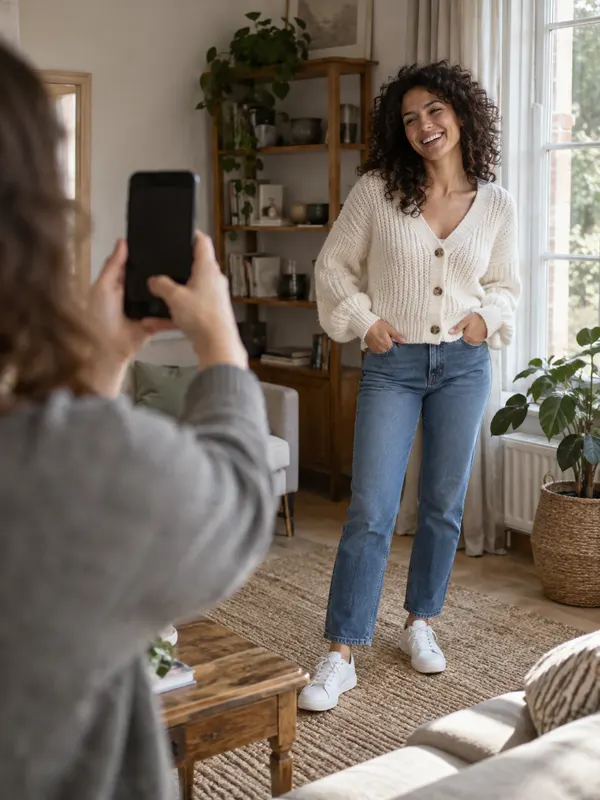
Yes. Most small sellers start with a friend, a sister or a partner modelling the clothes, and most skip the paperwork because it feels awkward. But a photo used in your shop is a commercial use, whoever is in it, and relationships change. If they later ask you to remove every image, a signed release is the only thing that shows what they agreed to.
Keep it light. One page, written in plain words, signed before or on the day of the shoot. Say which photos it covers, where you will use them and for how long. Our guide on how to find models for a clothing brand covers working with friends, students and agencies in more detail.
If asking feels too awkward, keep the friend for fit checks and use other photos for the listing. You can lay the piece flat, photograph it, and put the clothes on an AI model instead, so the shop shows a worn photo without anyone's face.
 garmo result
What goes into a model release form?
A release does not need legal language to be useful. It needs to be specific. These six points are what most releases, including agency contracts, cover.
- 01
Who
Your name or brand, the model's full name and contact details, the date and both signatures. For anyone under 18, a parent or legal guardian signs.
- 02
Which photos
The shoot date and place, or a description of the photos. A release for one shoot does not cover the next.
- 03
Where you will use them
Name the channels: your website, marketplaces such as Etsy or eBay, social media, paid ads, print, packaging.
- 04
For how long, and where
A fixed period or no end date, and the countries. Unlimited use should be stated, not assumed.
- 05
Edits, including AI
Say if you will retouch, change the background, the colour of the garment or the pose with AI. Replacing the face with someone else's needs its own clear consent.
- 06
Payment
The fee, product in exchange or no payment at all, and whether the model gets copies of the photos.
Do you need a release if the face isn't shown?
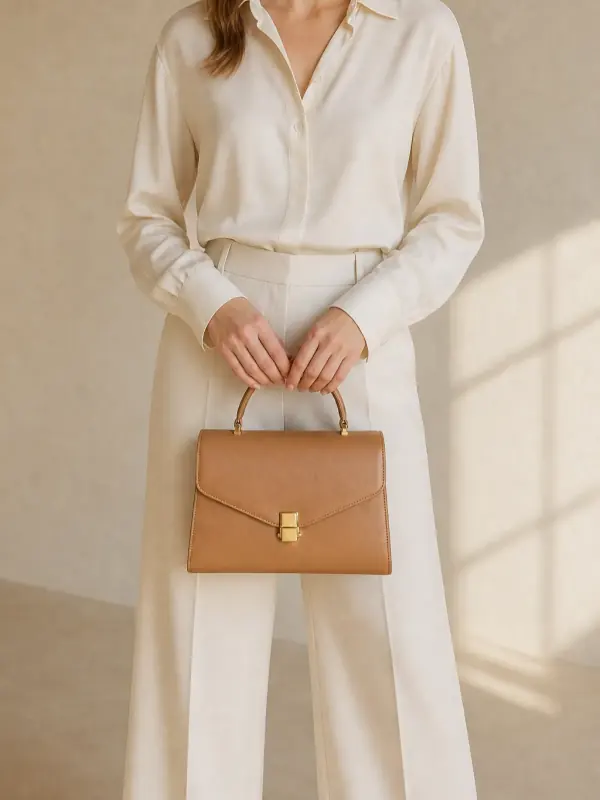
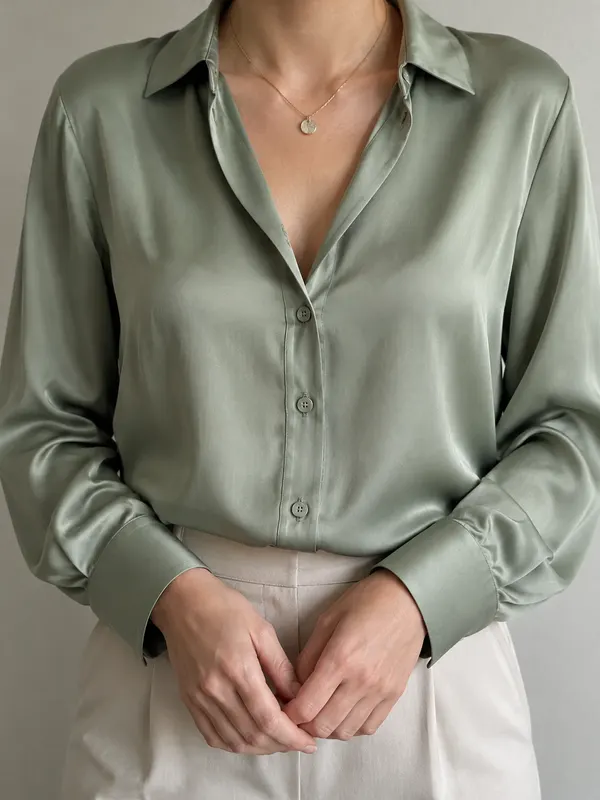
Not always, but it is safer to ask. Consent rules protect people who can be identified, and without a face the risk is lower. A neck-down crop like the one below is common for blouses and jewellery.
A face is not the only way people are recognised, though. Tattoos, scars, distinctive hair, a recognisable home in the background or a caption with a name can all identify someone. Friends and followers recognise each other from much less.
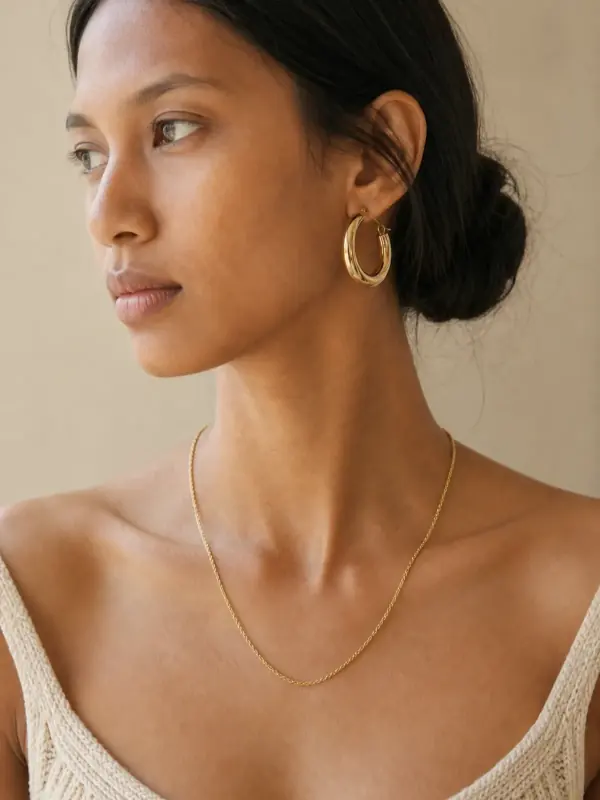
So treat faceless crops as lower risk, not zero risk. If you can ask, ask; it takes a minute. And if your listings are mostly jewellery or tops, a necklace on an AI model gives you the same crop on someone who does not exist.
 garmo result
Model release rules in different countries
The details depend on where you and the model live, but the direction is the same almost everywhere: a recognisable person's image used commercially needs their consent. In the US, it comes from state laws such as New York's, in Germany from § 22 of the Art Copyright Act (KUG), in France from the right to one's image, in Spain from Organic Law 1/1982 and in Italy from article 96 of the copyright law.
In the EU and the UK, a photo of an identifiable person is also personal data under data protection law. That is one more reason to get consent in writing, keep it, and delete images when someone withdraws it.
If you run paid campaigns, sell in several countries or work with agencies, ask a lawyer to check your template once. For everyday listings, a clear one-page release signed by every person in your photos covers most of what small shops need.
AI models: when no model release is needed
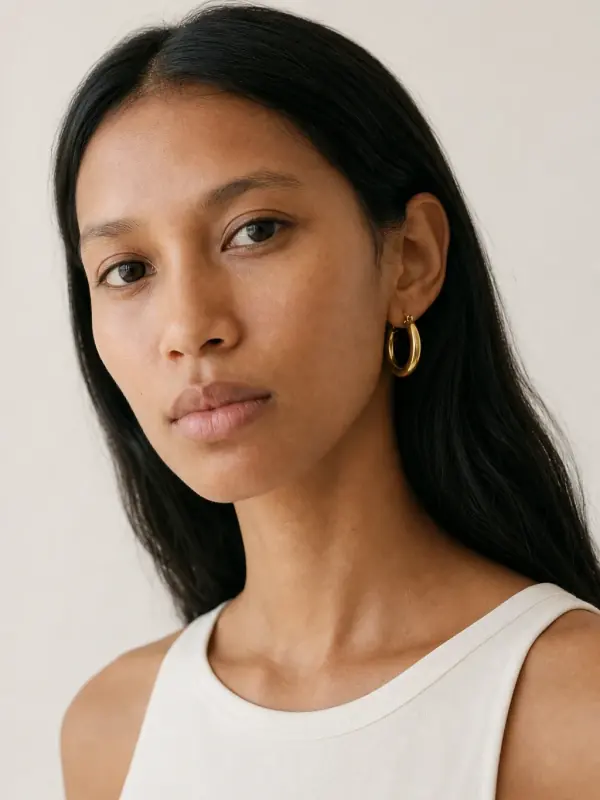
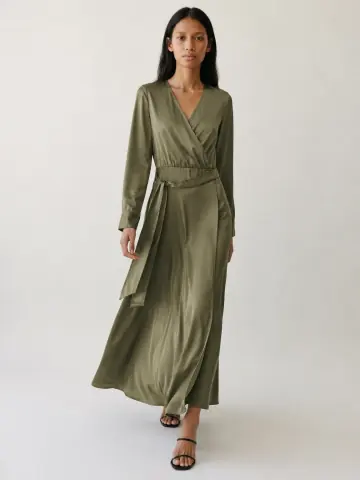
Do I need a model release form for an AI model? No. An AI-generated model is not a real person, so there is no one whose consent you need. Garmo's 42 stock models, 22 women and 20 men, are studio portraits made with AI, not photos of real people. That means no release forms and no usage fees, and you can use the images commercially on your shop, marketplaces, ads and social media.
There is one exception. If you create a custom model from photos of a real person, that model is based on someone who exists. Garmo asks you to confirm you have their permission, and the release rules above apply to them as to any model. The same goes for the AI model swap: it can put a different model into photos from your own shoot, but you needed consent to shoot and upload the original photos.
For most sellers, the simpler question is cost. Hiring a model, with fees and sourced figures, is broken down in how much it costs to hire a model for a photoshoot, and what free AI tools give you is in our guide to free AI fashion model generators.
Our test: a flat lay on an AI model, no release needed
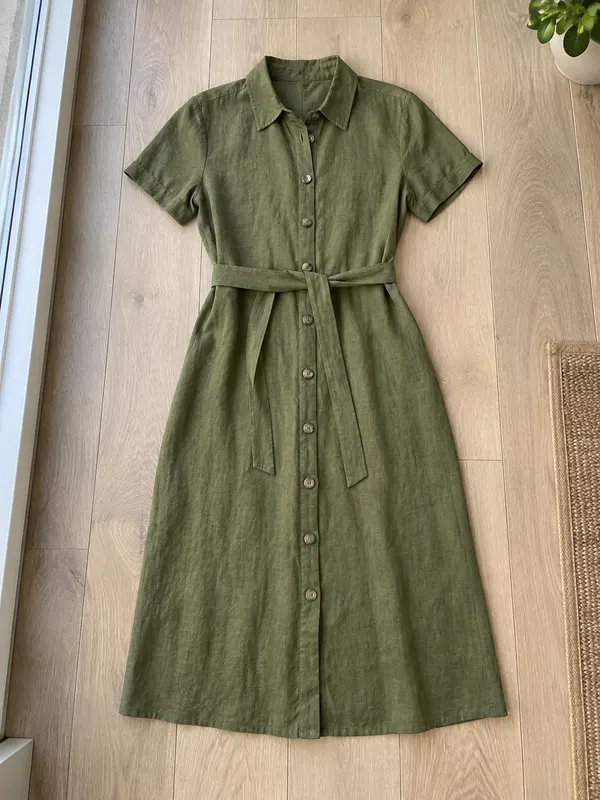
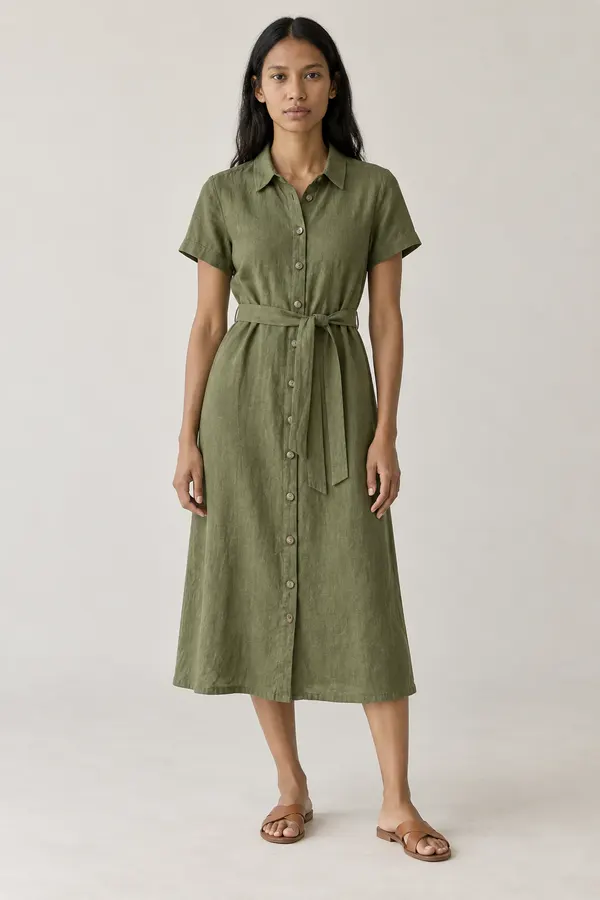
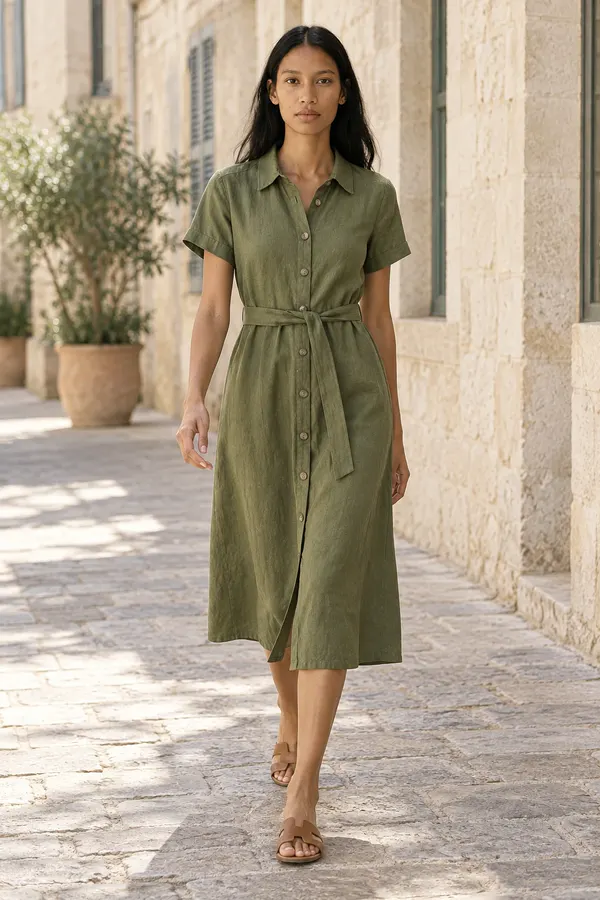
We laid an olive linen shirt dress on a wooden floor, took one phone photo and put it on Amara, one of Garmo's stock models, in two settings. No model booked, no release signed.
Olive linen shirt dress on Amara
The collar, the button front, the short sleeves and the self-tie belt carried over from the flat lay to both frames, and so did the olive colour and the linen texture. The studio frame works as a listing cover; the street frame as a second image or a social post.
 Your photogarmo result
 garmo result
 garmo result
Questions about model releases
Do I need a model release for photos of my friend wearing my clothes?
Yes, if your friend can be recognised and you use the photos to sell. A friendship does not replace consent. A one-page release that names the photos, the channels and the duration protects both of you if things change later.
Is a verbal agreement enough?
It is risky. A verbal yes is hard to prove and easy to remember differently. Some laws, such as New York's Civil Rights Law, ask for written consent outright. A signed page or a clear written message is much safer than a conversation.
Do I need a model release for AI-generated models?
No, not for AI models that are not based on a real person, such as Garmo's 42 stock models. If an AI model is created from photos of a real person, that person's consent is needed, just as it would be for a photo shoot.
Who signs the release for a model under 18?
A parent or legal guardian. Many laws require their written consent for any commercial use of a minor's image. Name the child, the photos and the uses as you would for an adult, and keep the signed copy.
Does a model release cover editing photos with AI?
Only if it says so. Mention retouching and AI edits such as background, colour or pose changes in the release. Replacing the model's face with another person's is a separate step and needs its own clear consent.
Do I need a model release to post on social media?
If the post promotes your shop or products and shows a recognisable person, treat it like any other commercial use and get consent. Name social media as a channel in the release so the same photos can be used there.
Tools for product photos without a model release
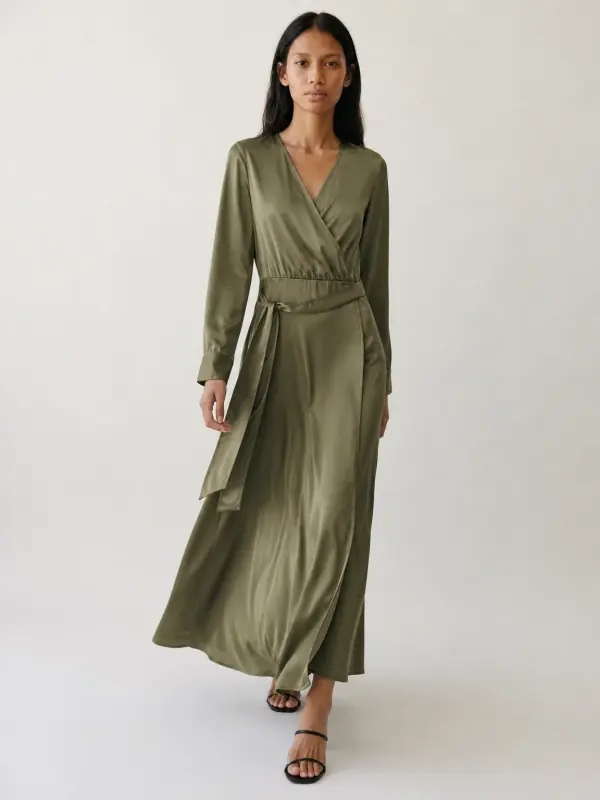
 AI fashion model generatorChoose from 42 AI fashion models, or create your own from photos, and keep the same face across every product you sell.
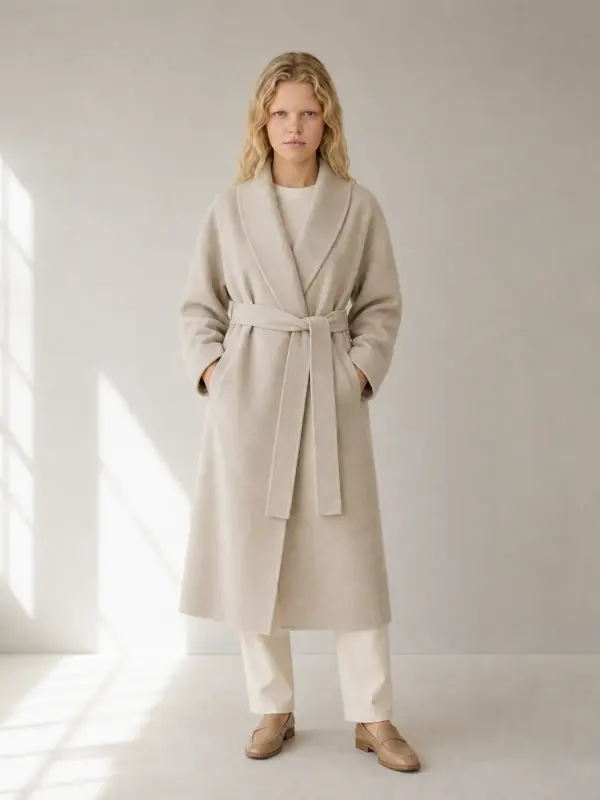
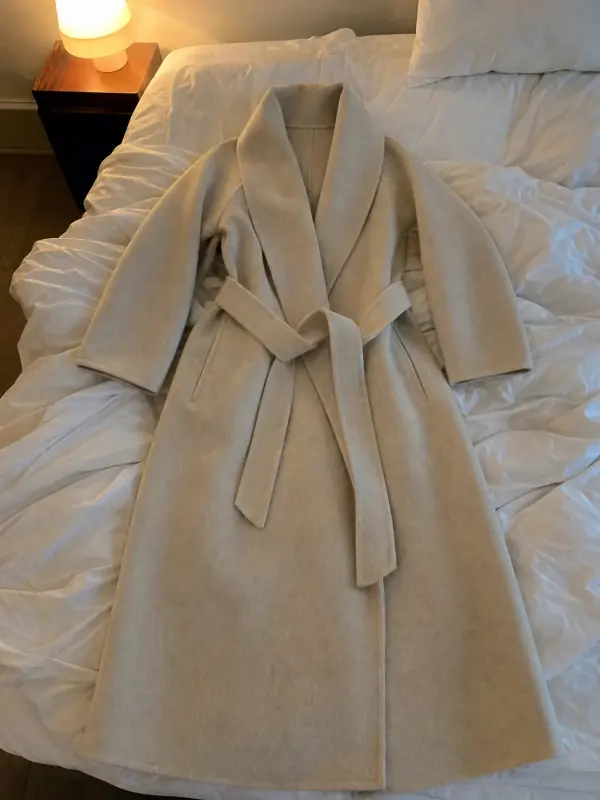 Flat lay to modelLay the garment flat, take one phone photo and get it worn by an AI model from three angles.
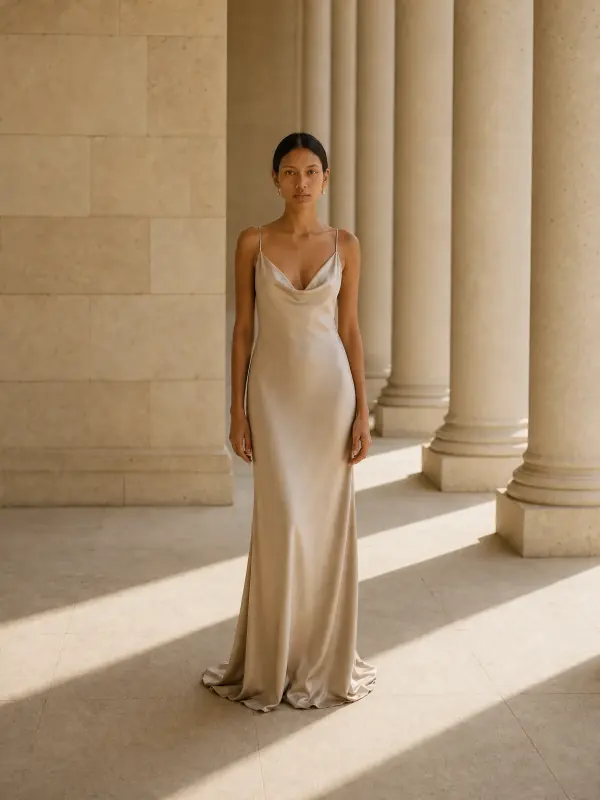
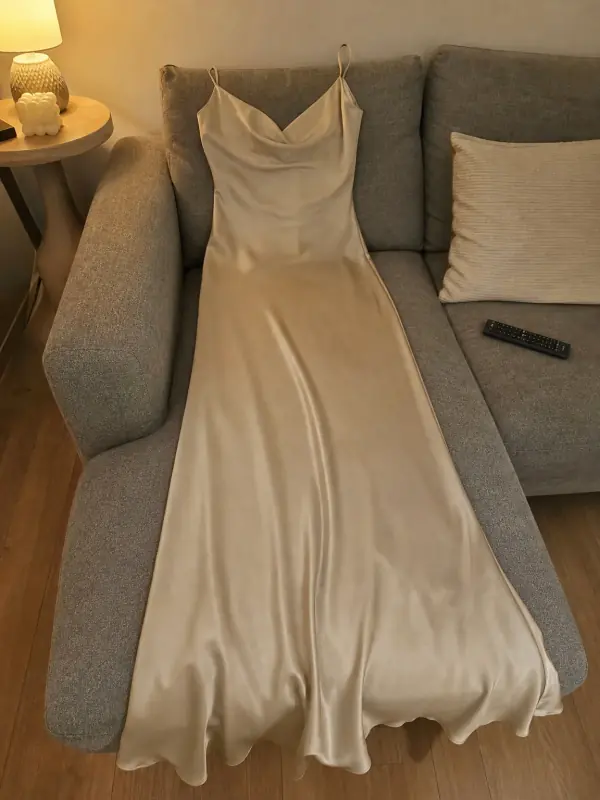 Put clothes on an AI modelUpload a photo of a top, trousers, dress or jacket and see it worn by an AI model, in studio, street or editorial settings.
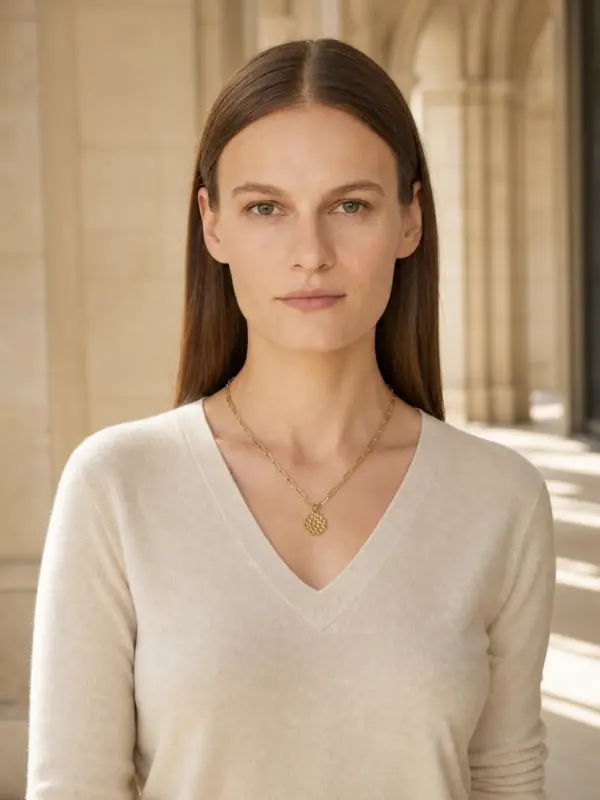
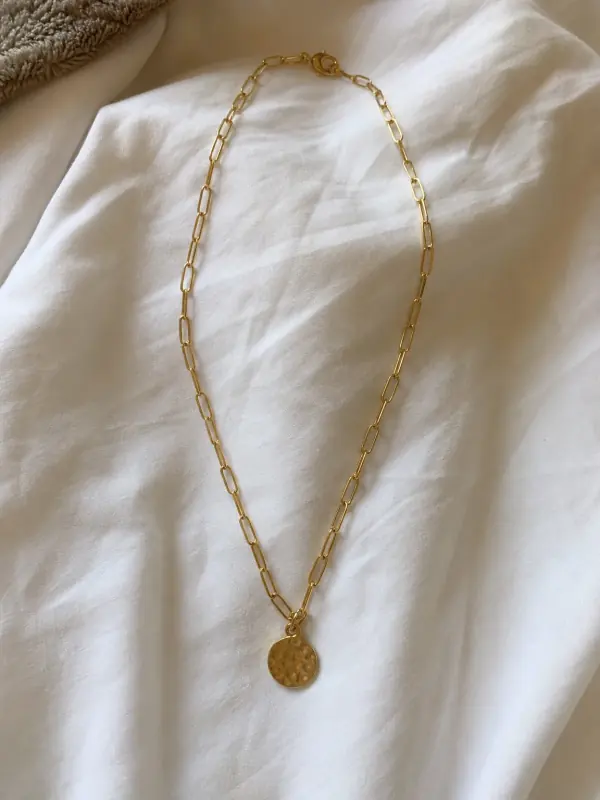 Necklace on model AIChains and pendants worn at the right length on a model, with neckline close-ups and a product shot.
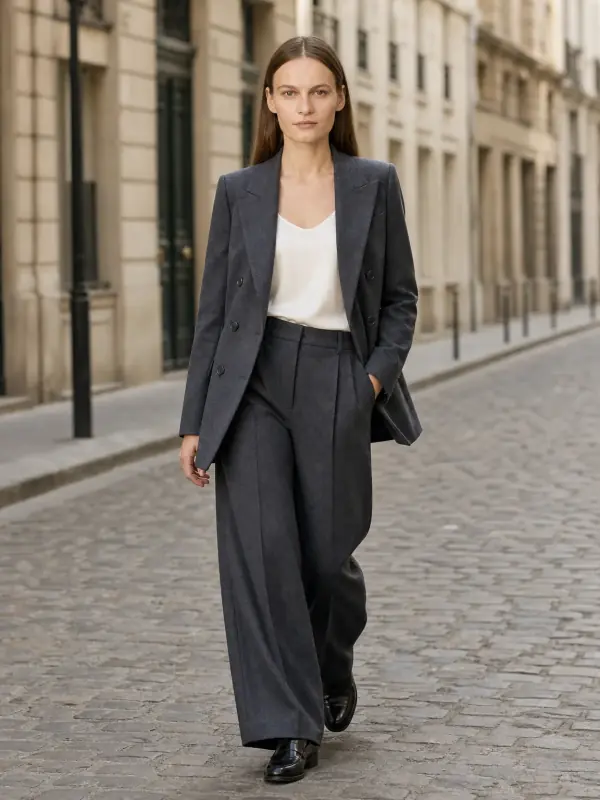
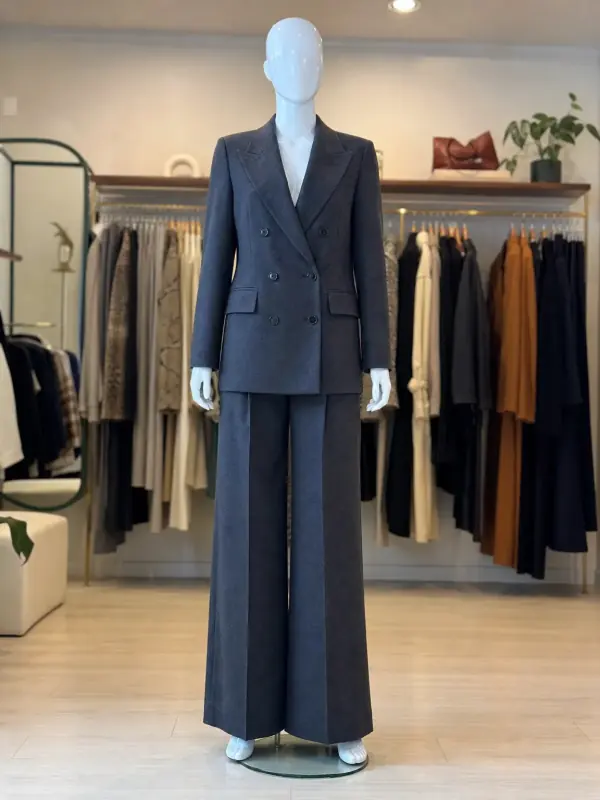 Mannequin to model AIAlready shoot on a mannequin or dress form? Upload that photo as it is and get the same piece worn by a model.
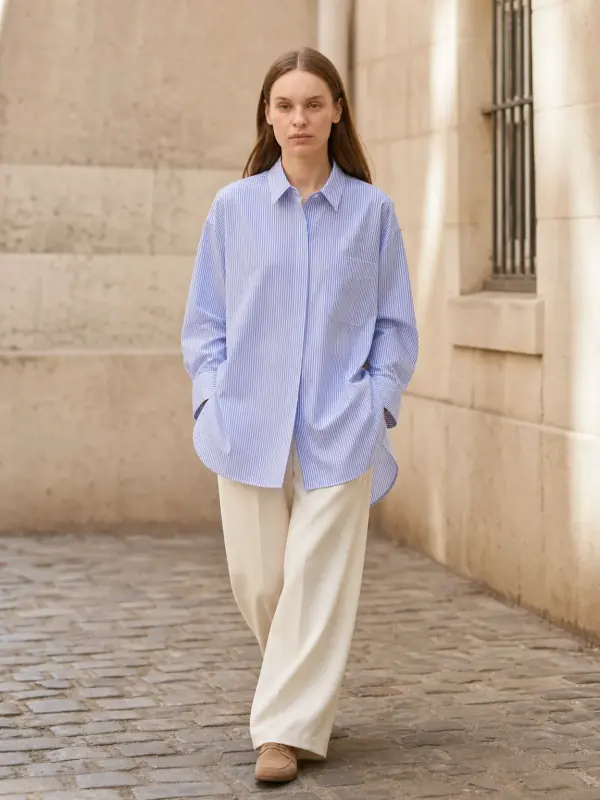
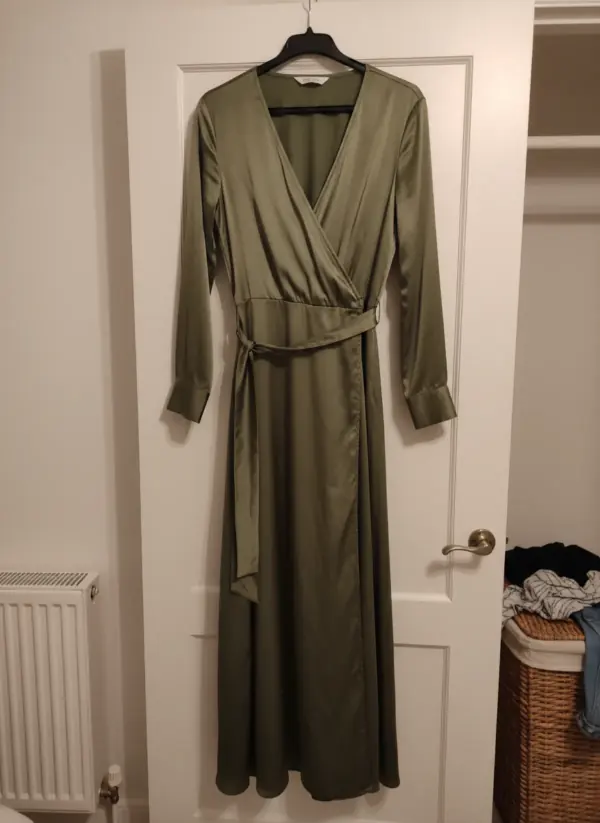
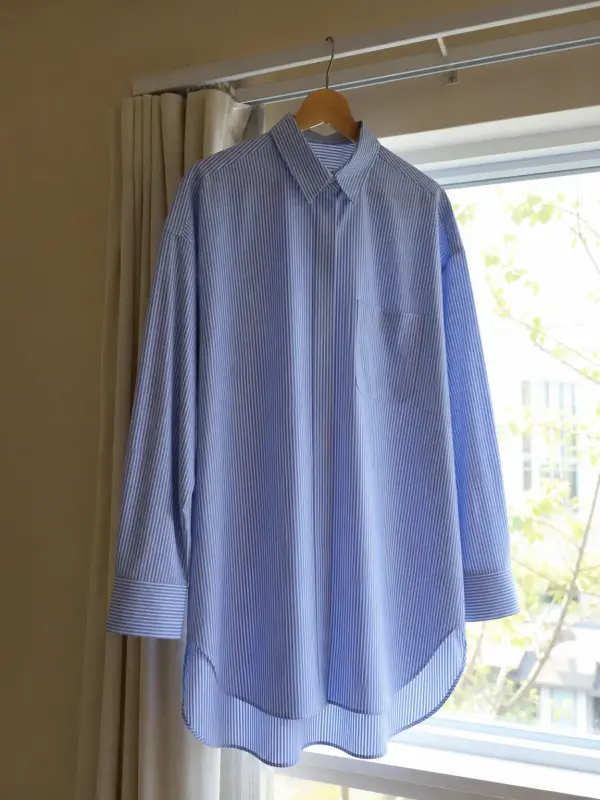 Garment to model AIHang the garment on a door or a rail, take one photo, and get it back worn by a model.