 Garmo team
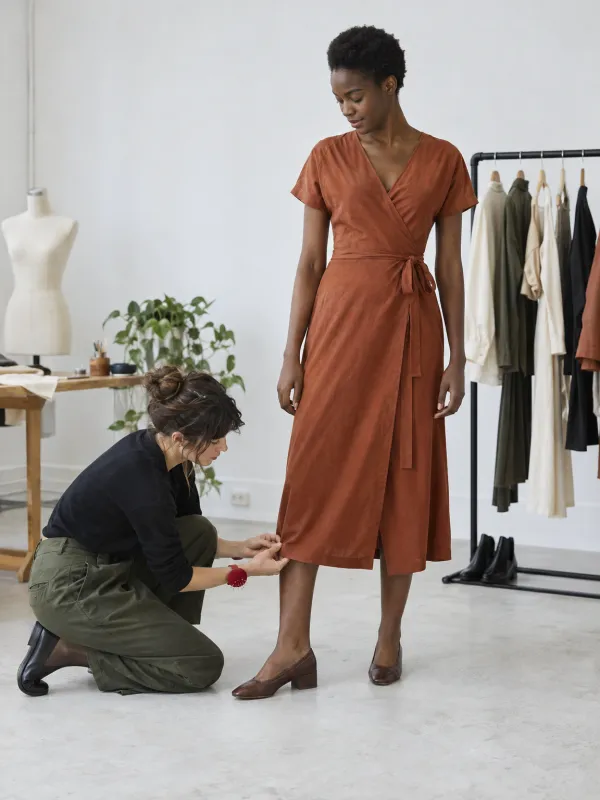
Where to find models for your clothing brand
Each option trades money for time and reliability. Most small brands mix two or three.
Model agencies
The most reliable route: the agency handles booking, rates and usage. It is also the most expensive, and usage fees grow with how widely the photos run.
Instagram and freelance platforms
Many freelance models list their rates and portfolios online. Ask for unedited digitals, not only polished shots, so you see the real person.
TFP shoots
“Time for prints”: model and photographer work for images instead of money. Fine for a portfolio, risky for commercial use unless the agreement says the brand may use the photos to sell.
Friends and customers
Real customers wearing your clothes build trust. Treat them like any model: a clear brief, a fixed time, a signed release, and something in return.
Fashion and photography schools
Students need portfolio work and often know models who do too. Contact the course leader rather than posting in random groups.
AI models
An AI fashion model generator lets you pick a model and put your clothes on them without a shoot. Useful for catalogues and for testing looks before booking people.
What to look for before you book
The most common mistake when brands work out how to find models for clothing brand shoots is booking from a portfolio alone. Ask for current measurements and recent unedited photos, and check them against your sample size. If your samples are a size small, a model who is a medium will not show the fit you sell, however good the photos look.
Think about who buys from you. A brand selling to women over forty that only shows twenty-year-olds loses trust before the first click. Showing several body types and ages also cuts returns, because shoppers can see the fit on someone like them; the guide to diverse AI models for ecommerce goes into that.
Finally, check how the model works on set. A short test call, or a few minutes with your sample on a hanger and a phone camera, tells you more than ten polished photos.
Usage rights and the model release
Every identifiable person in a commercial photo needs to have agreed in writing, friends and family included. Adobe Stock’s model release guidelines are a good reference for what such a release covers, even if you never sell stock photos.
A release should name the brand, the photos or shoot date, where they may be used (website, marketplaces, social media, ads, print), for how long and in which countries, and what the model is paid. If you plan to edit the photos with AI, for example to change the background, the colour of the garment or the pose, say so in the release. Changing the face to another person is a different step and needs its own clear consent.
Agencies have their own contracts; read the usage clause before the shoot, because extending usage later usually costs more than buying it up front. What the fee itself is made of, with sourced figures, is in how much it costs to hire a model for a photoshoot. When you need a release at all, from friends who model for free to faceless crops and AI models, is covered in do I need a model release form.
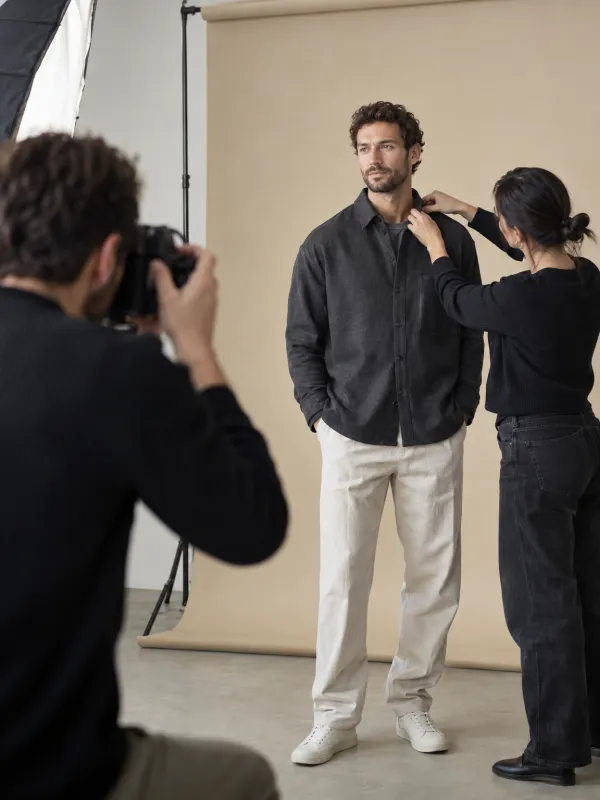
How many models does a clothing brand need?
There is no fixed number. It depends on your range and your market.
One model per collection
Enough for a small, consistent range. The same face across products makes a shop feel like one brand.
Two or three for wider sizing
If you sell from XS to XL, show at least a smaller and a larger size so shoppers can judge the fit.
One per market
Brands selling in several countries often show models that their local customers recognise themselves in.
A consistent face
Whatever the number, keep each model across a season. The guide to consistent AI fashion models shows how.
Shoot-day checklist with models
A model’s time is the most expensive part of the day. Prepare everything else before they arrive.
- 01
Confirm the fit
Try every sample on the model or check measurements against them a few days before.
- 02
Steam and label every piece
Order the clothes in shot order and tag each with the product code.
- 03
Test the light without the model
Use a stand-in or a mannequin to set light and framing.
- 04
Shoot a fixed pose set
Front, three-quarter, side, back and one movement shot per outfit. The guide to fashion model poses has the list.
- 05
Sign the release before the first shot
Not after. Keep a copy with the shoot files.
One shoot, more faces: swapping the model with AI
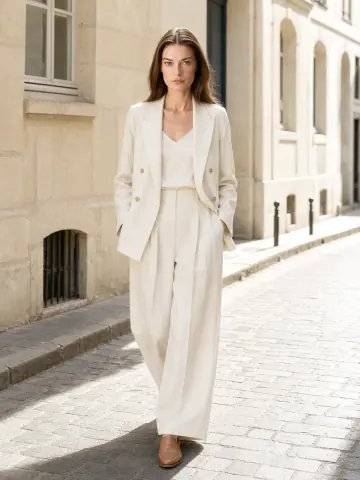
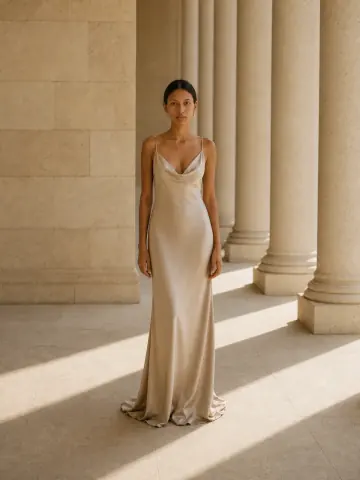
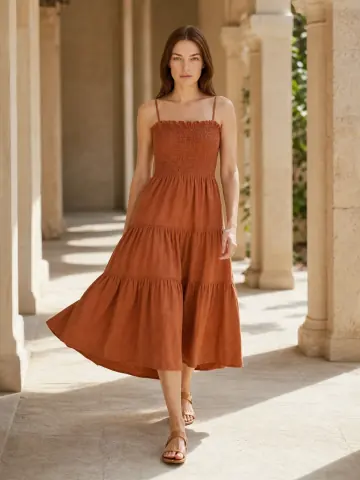
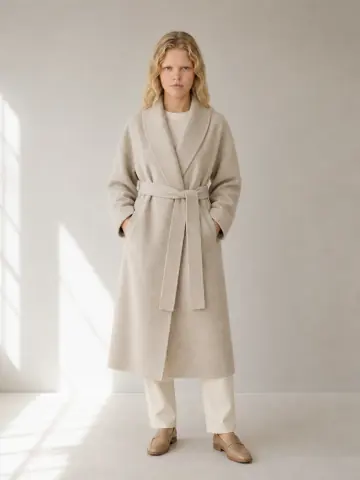
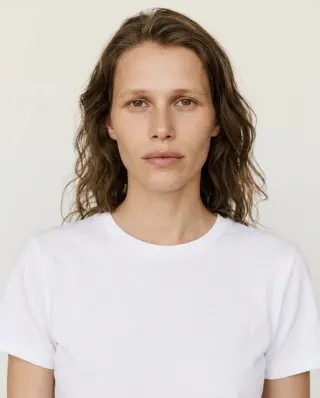
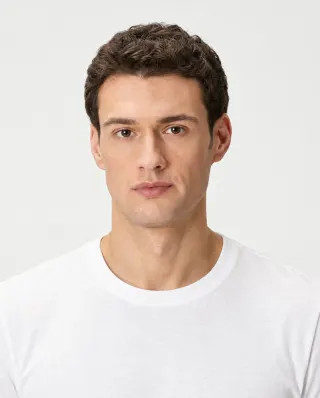
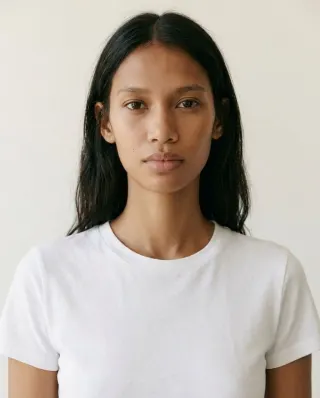
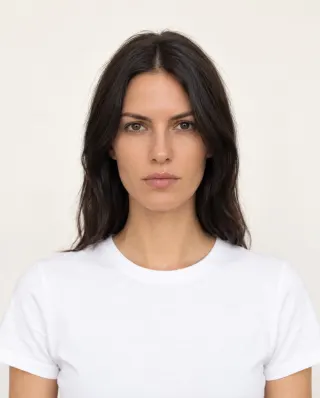
Once you have a good photo of a garment on one model, Garmo’s AI model swap can show the same outfit on another person. The garment, the pose, the light and the background stay; only the model changes. You can choose from 42 Garmo models, 22 women and 20 men, or use your own models created in Studio. If you are casting men, the male model poses guide shows which frames a menswear listing needs.
This solves the problem of how to find models for clothing brand ranges that need several faces without booking several people. Each swap is one image and uses one credit; the first 3 images are free. Use your own photo only if the model in it agreed to AI edits, and do not upload or create faces of real people, celebrities included, without their consent.
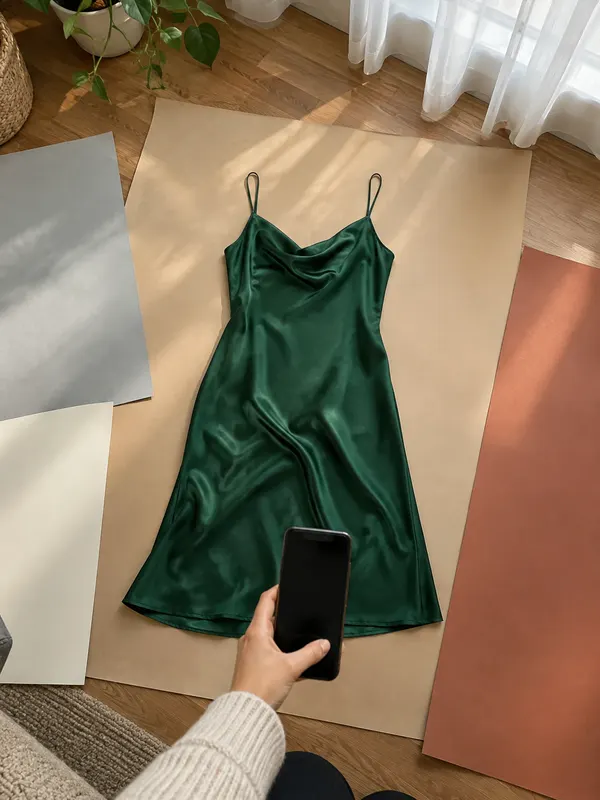
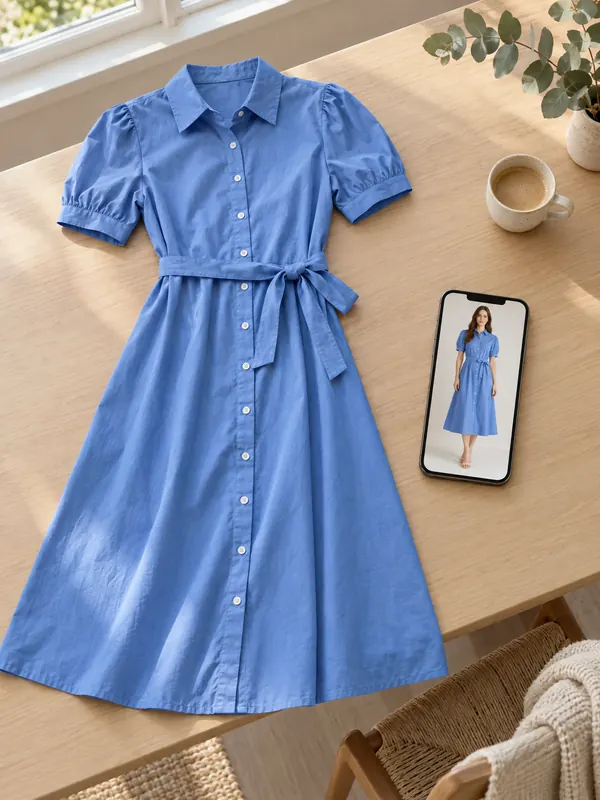
If you do not have an on-model photo at all, start from a flat lay or hanger photo and put the clothes on an AI model, or plan a full AI model photoshoot for the collection.
Pick a model
The right model for every market.
Keep the outfit and the shot, change the model, without a second shoot.
AI models or real models?
Real models are worth it for campaigns, for movement and for the content you post as a brand: people respond to real people, and a model can give feedback on the fit that no photo will. AI models are worth it for the volume work: every colour, every product, every marketplace format, and the extra faces that let shoppers see themselves in your clothes.
Many small brands shoot their best pieces with a real model once a season and fill the rest with AI. Whichever you choose, show the garment honestly: the cut, colour and length must match what ships.
Model swap examples
One photo of each outfit; the other models were made from that photo.
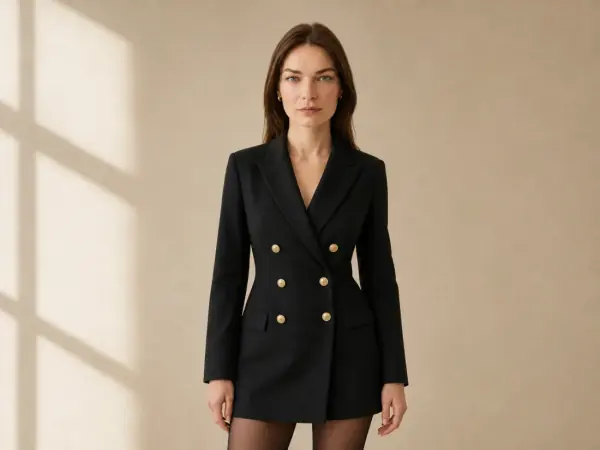
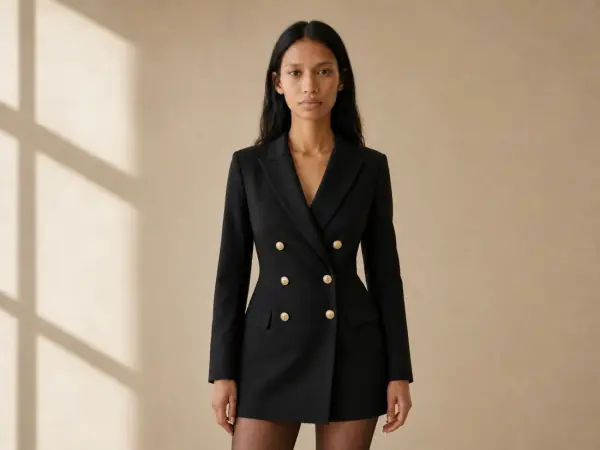
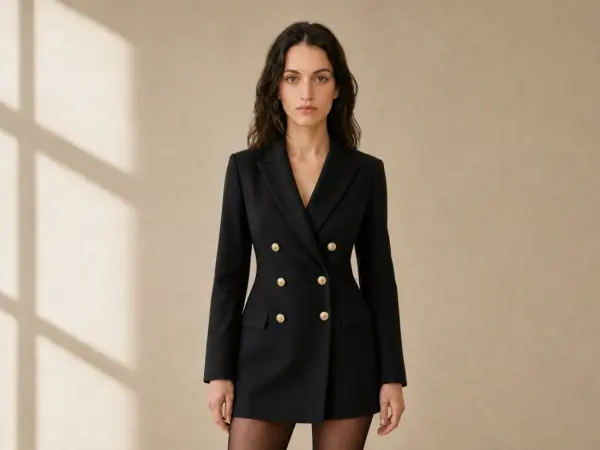
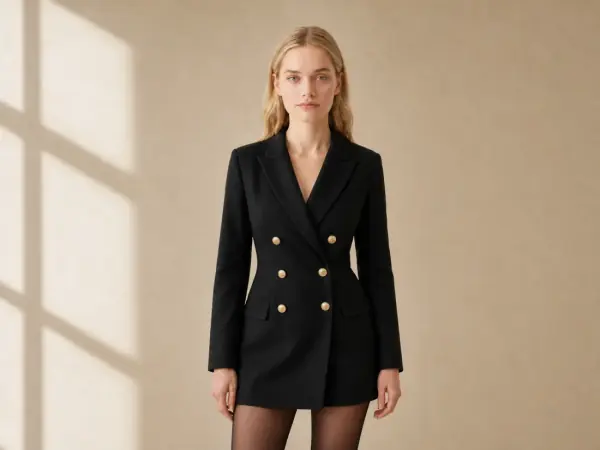
Blazer dress on five models
Gold buttons, peak lapels, length and sheer tights carry over to every model; skin, hair and face are lit the same way.
Your photo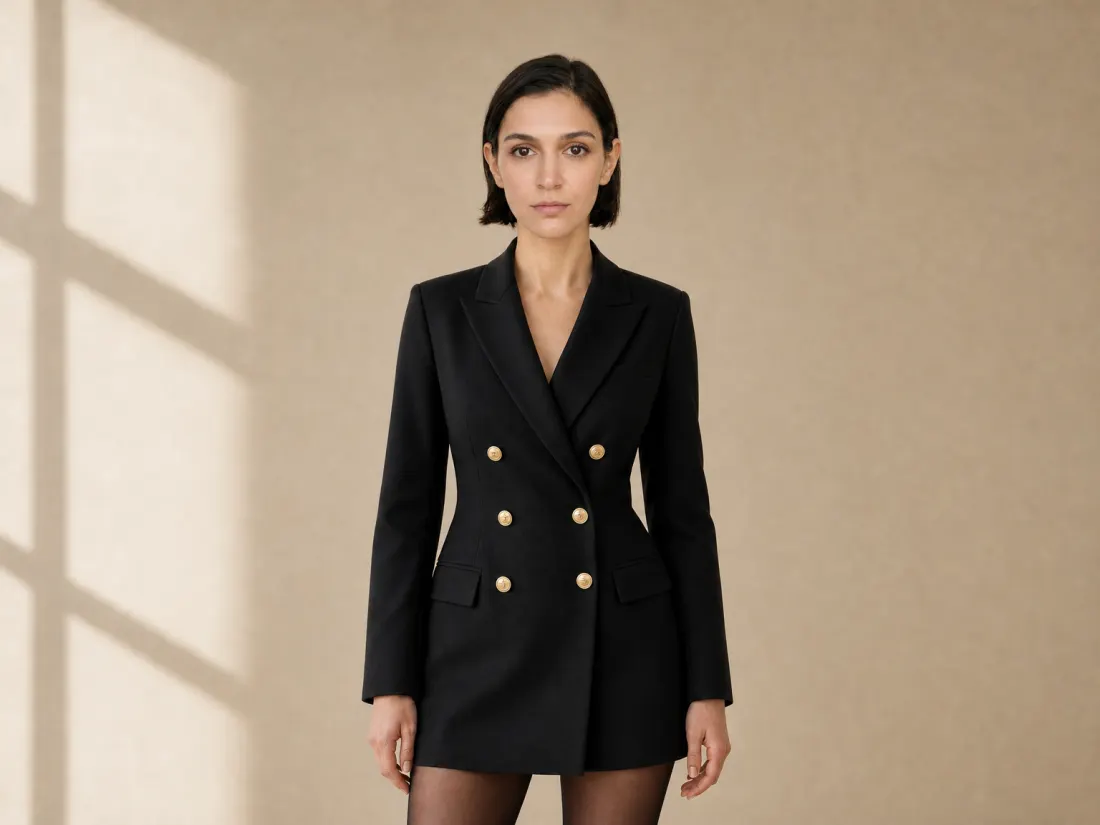
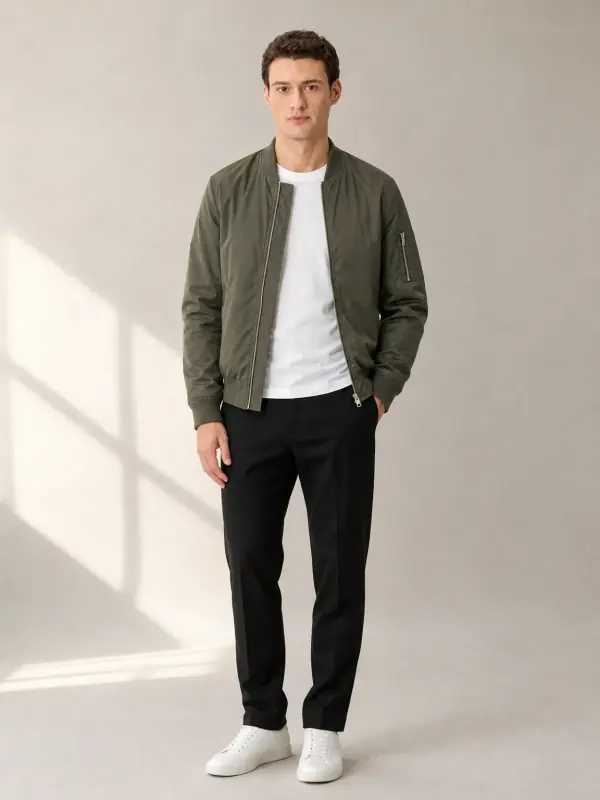
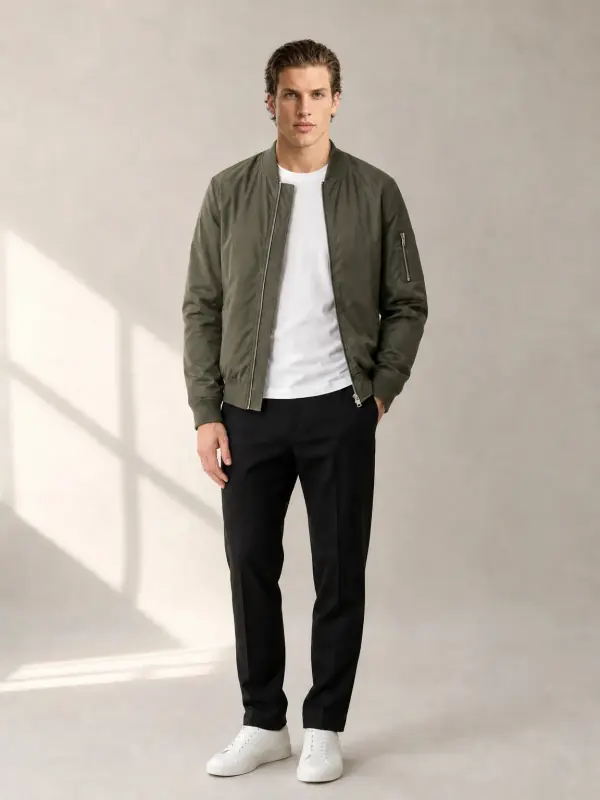
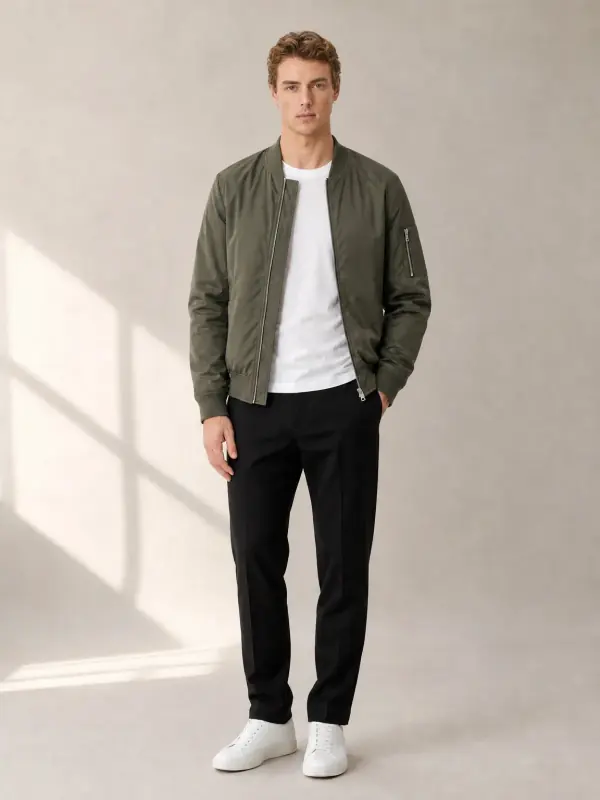
Bomber jacket on three men
The same bomber, pose and street background: only the face, hair and build change.
 Your photo
Questions about finding models
How do small clothing brands find models?
Mostly through local agencies, Instagram and freelance platforms, fashion schools, and friends or customers who fit the sample size. Many also use AI models for catalogue images and book real models for campaigns.
Do I need a model release for friends and family?
Yes. Anyone identifiable in a photo you use to sell needs to agree in writing, with the uses, duration and payment listed.
Is TFP okay for brand photos?
Only if the agreement explicitly allows the brand to use the photos commercially. A standard TFP agreement often covers portfolio use only.
Can I use AI to show my clothes on different models?
Yes. A model swap keeps the garment, pose and light and changes the person. Use photos whose model agreed to AI edits, and never create real people’s faces without consent.
How many models should a small clothing brand use?
One consistent model per collection is enough to start. Add a second size, and one model per market if you sell abroad.
Tools for on-model photos
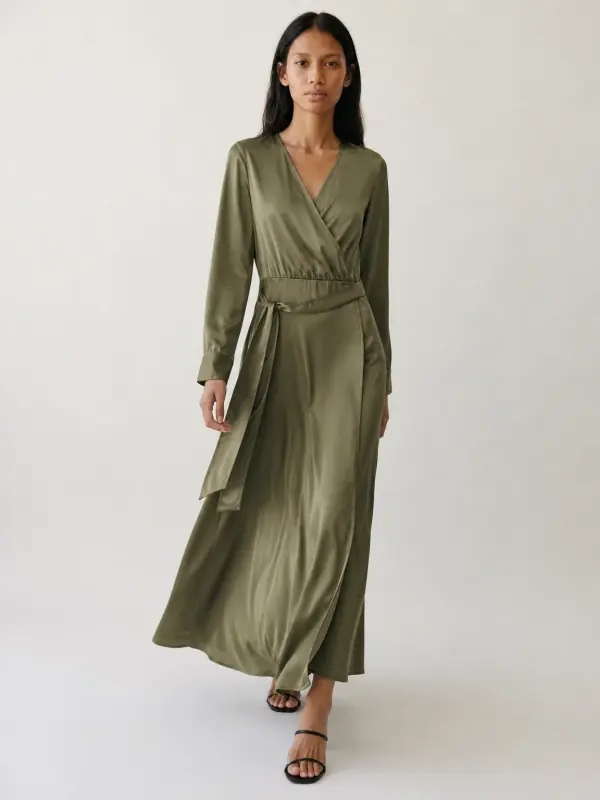
 AI fashion model generatorChoose from 42 AI fashion models, or create your own from photos, and keep the same face across every product you sell.
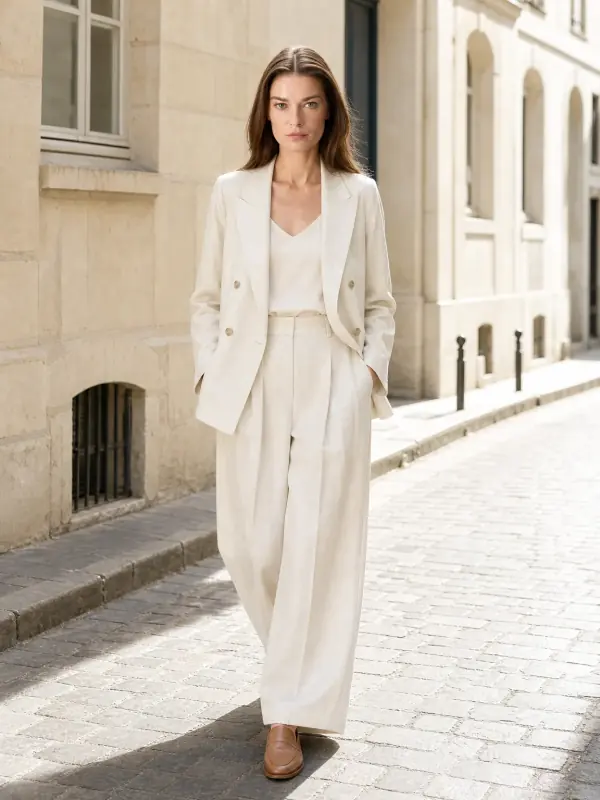
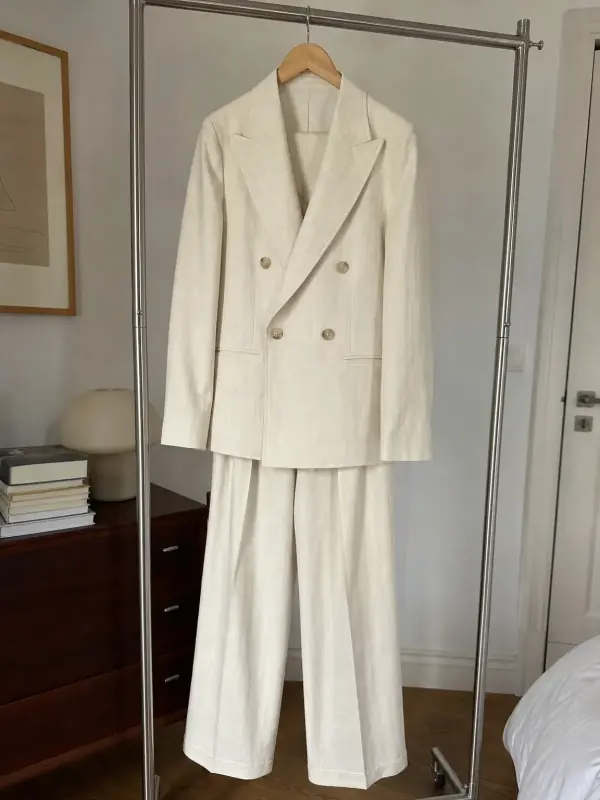 AI model photoshootTurn one product photo into a full photoshoot with a model: studio, street, editorial or a scene you describe, with up to six angles.
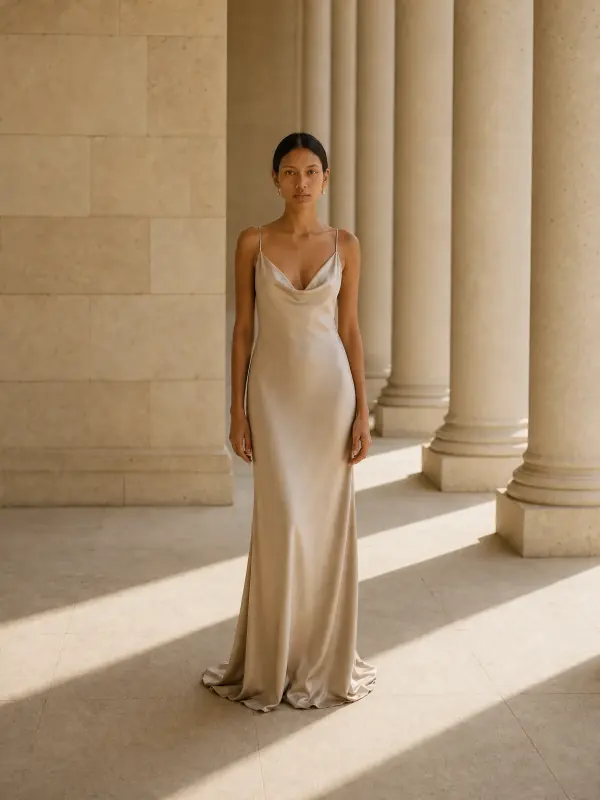
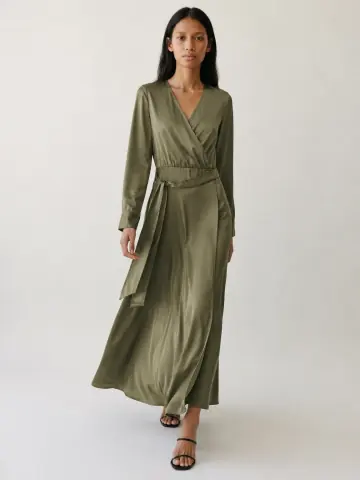
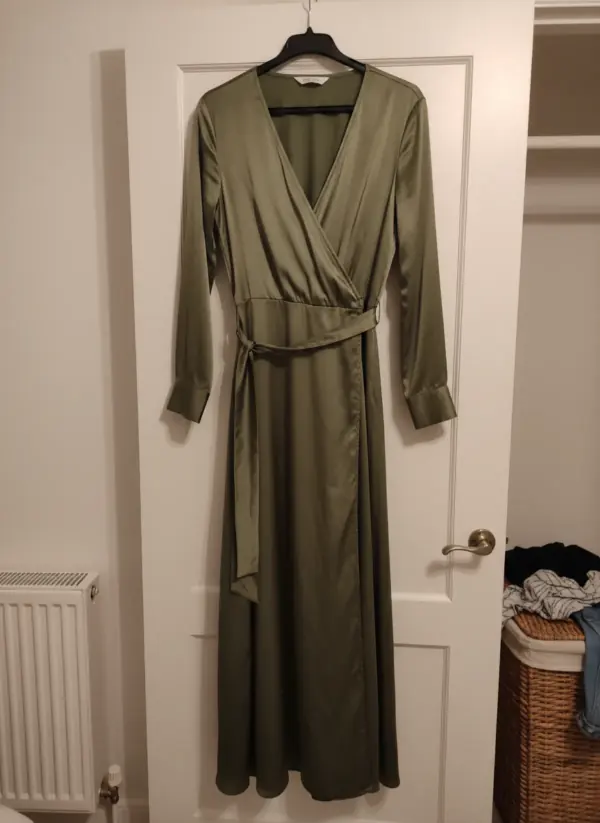
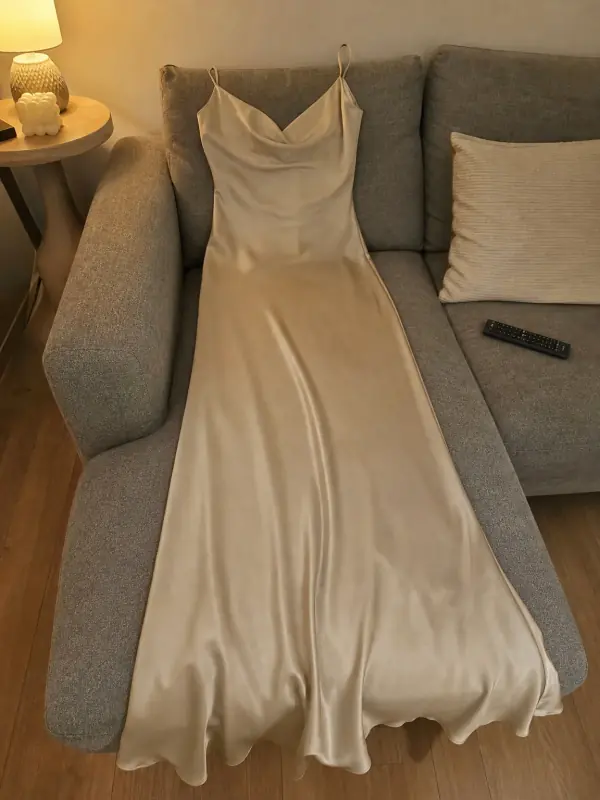 Put clothes on an AI modelUpload a photo of a top, trousers, dress or jacket and see it worn by an AI model, in studio, street or editorial settings.
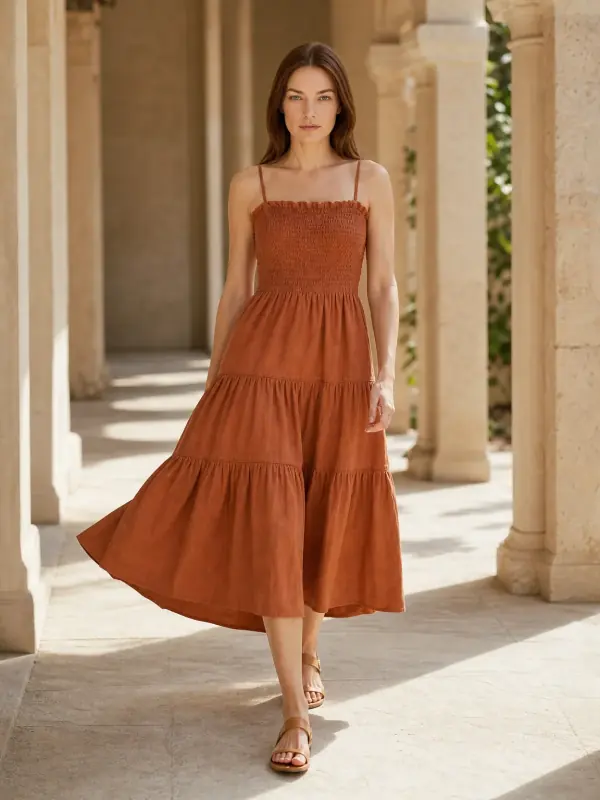
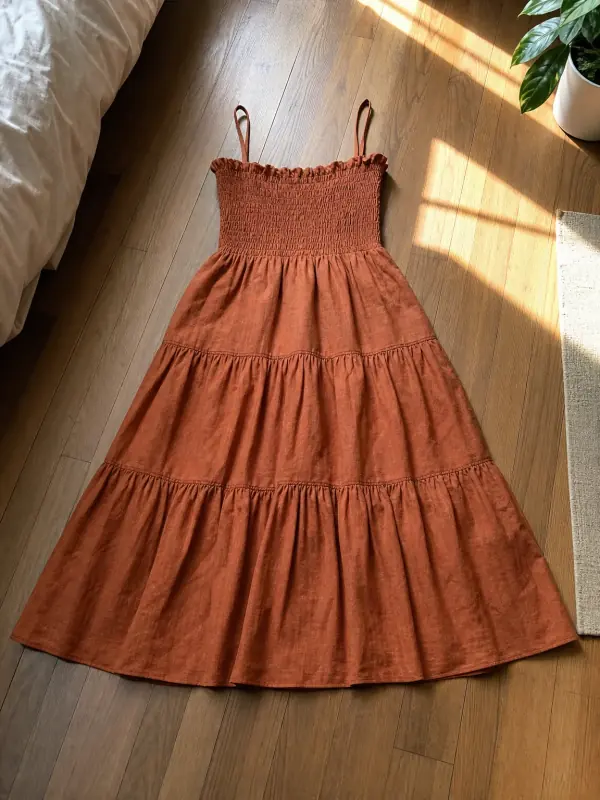 AI product photography with modelsClothing, jewelry and shoes photographed on models from one phone photo, with product-only shots for jewelry and shoes.
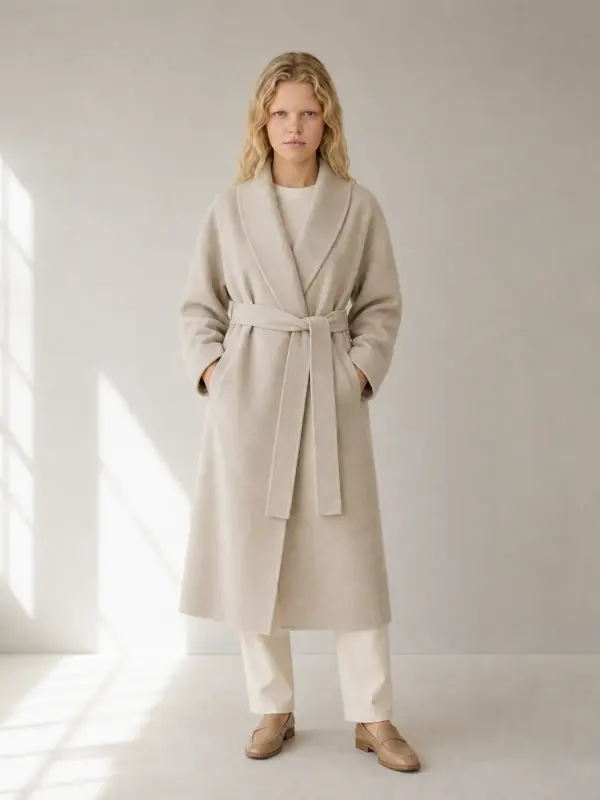
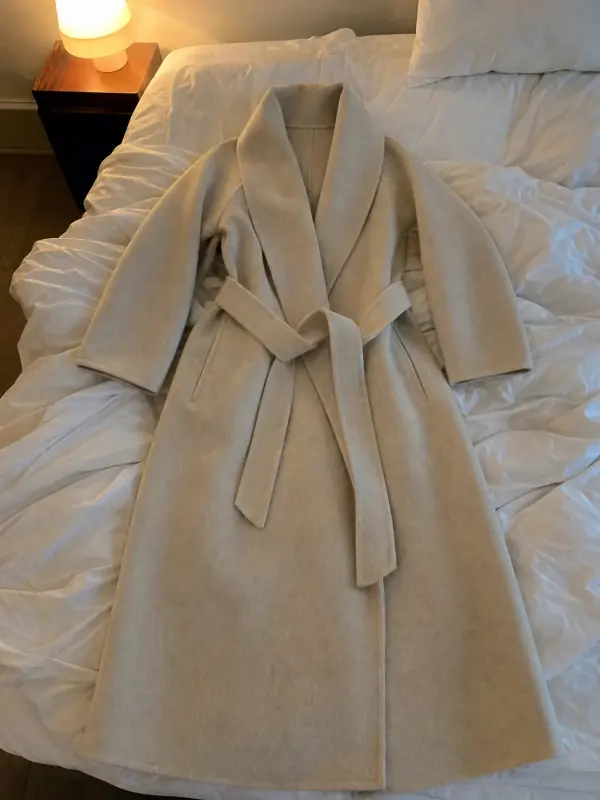 Flat lay to modelLay the garment flat, take one phone photo and get it worn by an AI model from three angles.
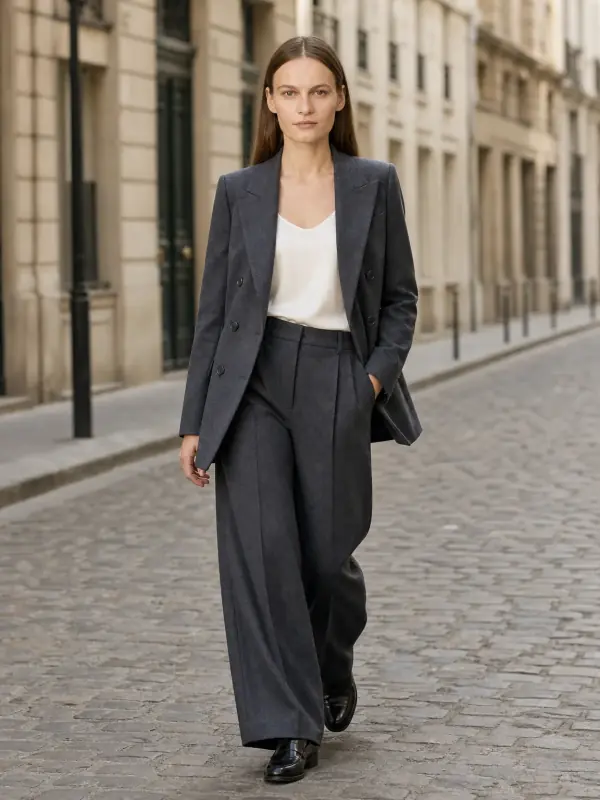
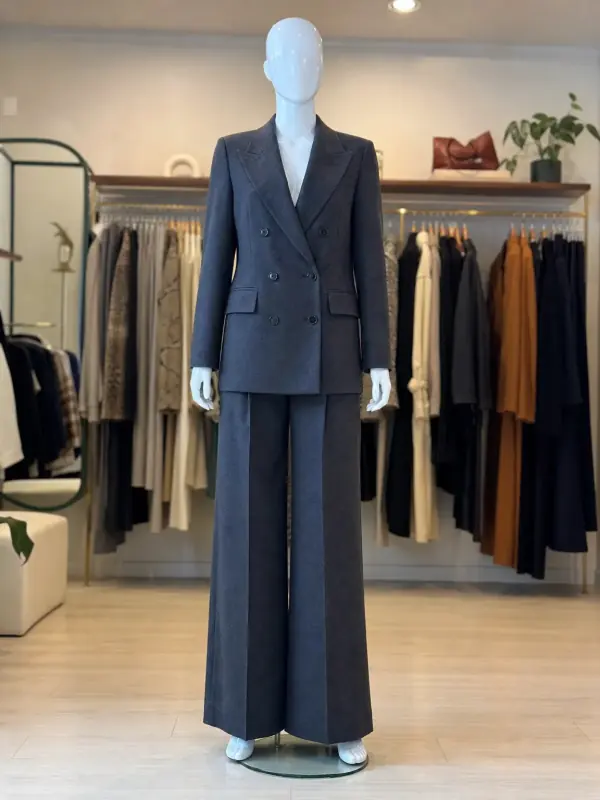 Mannequin to model AIAlready shoot on a mannequin or dress form? Upload that photo as it is and get the same piece worn by a model.