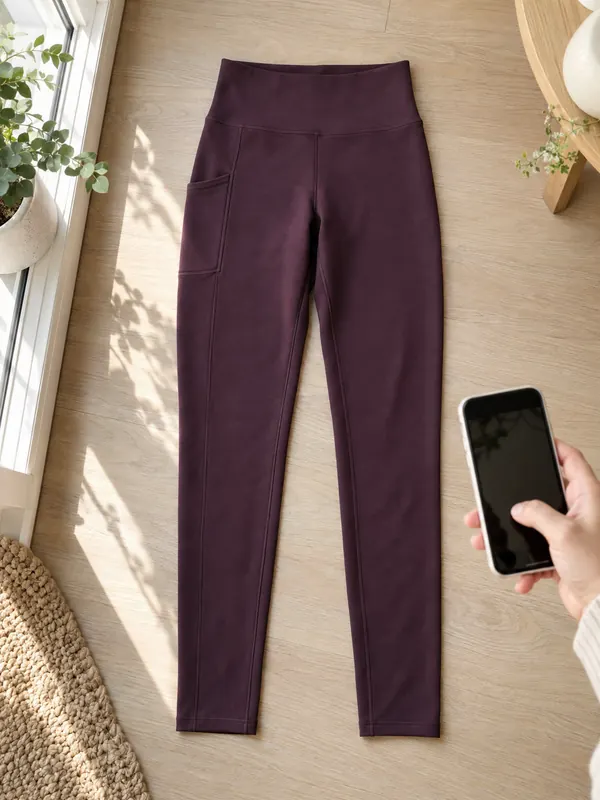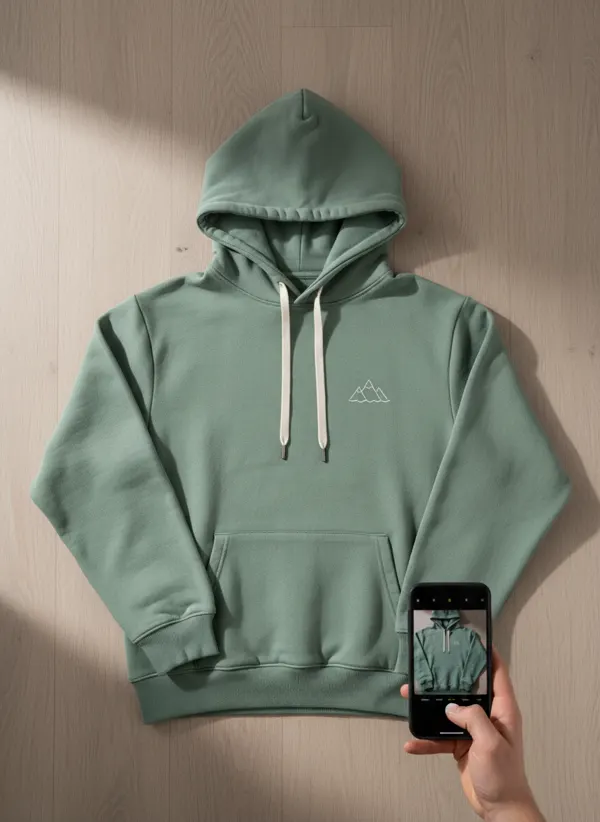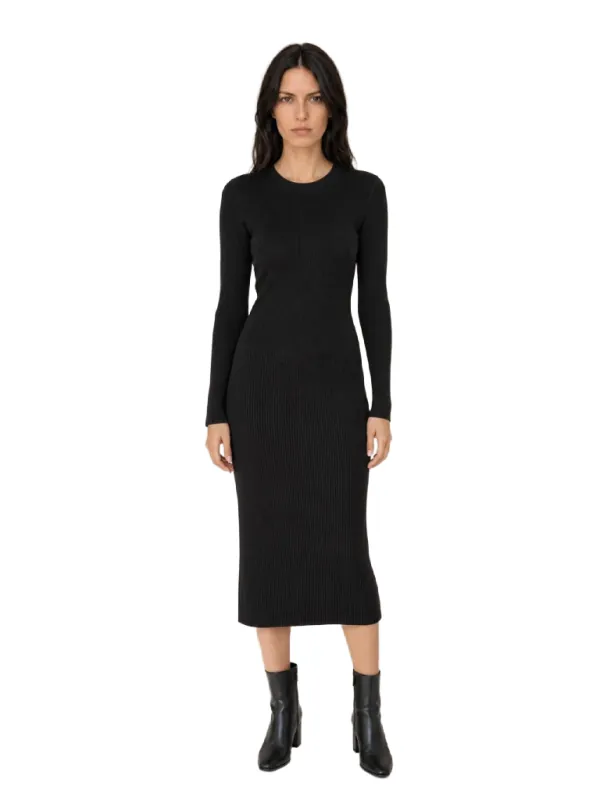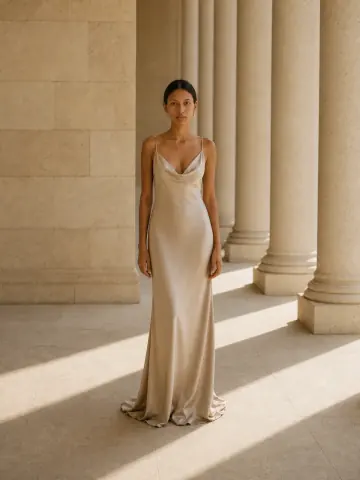

 Garmo team
What is the best background color for clothes?
Light grey is the safest single answer. It is light enough for dark clothes to stand out, dark enough for white clothes to keep their edges, and neutral, so it does not tint the fabric. If you only buy one backdrop, buy a matte light grey one.
The rule behind it is contrast without color. The garment needs a visible edge all the way round, which means a background clearly lighter or darker than the fabric. At the same time the background should not throw a color cast onto the clothes: a yellow wall reflects yellow into a white shirt, and a green wall makes skin look sickly.
So the best background color for clothes is not one color for everything but one rule: neutral, matte and a few shades away from the garment. Lifestyle scenes and brand colors are a separate topic, covered in our guide to product photography backgrounds. And if a photo is already taken on the wrong background, the AI background changer swaps it without a reshoot.
Background color by clothing color: a quick guide
Find the garment, use the background. Every pairing follows the same rule: enough contrast for the edges, no color that tints the fabric.
Black and charcoal
Light grey or off-white. Pure white can make black look like a hole; light grey keeps the texture readable.
White and cream
Mid grey, warm grey or beige. Never white on white: the collar and hem vanish.
Grey
Off-white for dark grey, warm beige or charcoal for light grey. Avoid the same grey as the garment.
Navy and dark blue
Light grey or cream. Avoid black: next to it, navy reads as black.
Red and burgundy
Warm beige, cream or light grey. They keep red rich without competing with it.
Pink and blush
Light grey or off-white. Beige is too close to blush and flattens it.
Yellow, orange and mustard
Light grey or a soft blue-grey. Beige and warm wood melt into yellow.
Green and blue
Warm beige or light grey. Avoid sage, teal or blue paper from the same family.
Pastels
A slightly darker neutral such as mid grey or stone. On white, pastels look washed out.
Denim and prints
Plain white or light grey. Busy fabric needs a calm background; let the print do the talking.
Best background color for black clothes
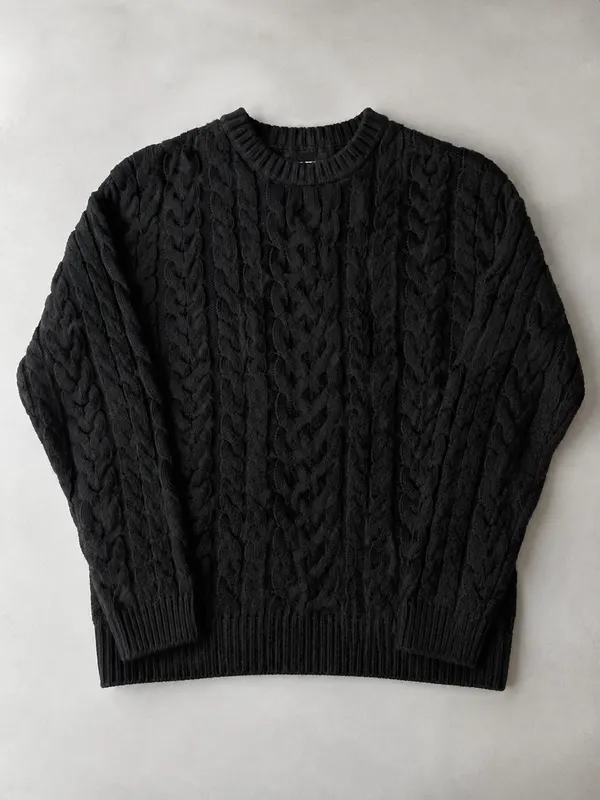
Light grey is the best background color for black clothes. It separates the silhouette without the extreme contrast of white, which makes a phone underexpose the black and turn it into a flat shape. On light grey the camera exposes for the middle tones, and the knit, seams and buttons stay visible.
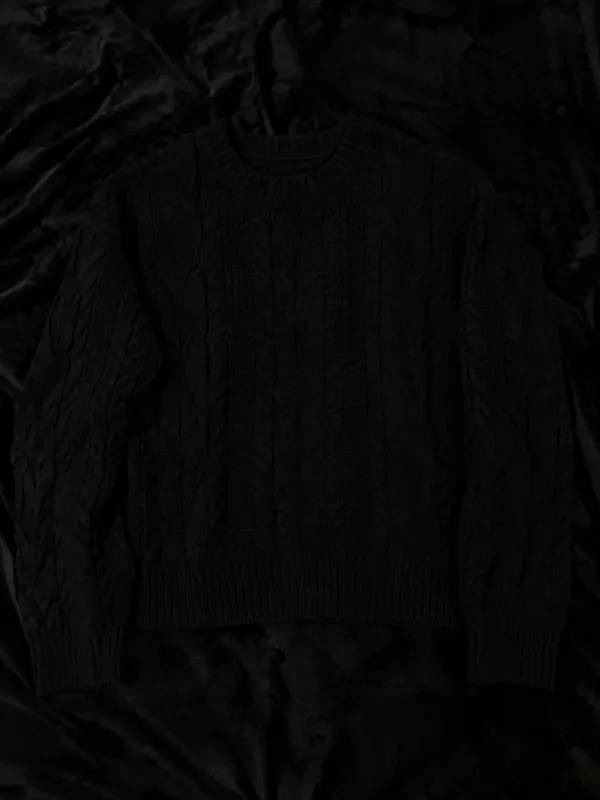
Do not shoot black on black. A black throw or a dark wooden floor hides the outline completely, and buyers cannot see the cut. Very dark grey does the same: the garment is there, but only as a shadow.
Black is the hardest color to photograph, so give it more light than you think, from a window to one side. Our guide to photographing black clothing covers the exposure step by step. If a black piece is already on a messy background, the product background remover cuts it out so you can put it on light grey or white.
 garmo result
Best background color for white clothes
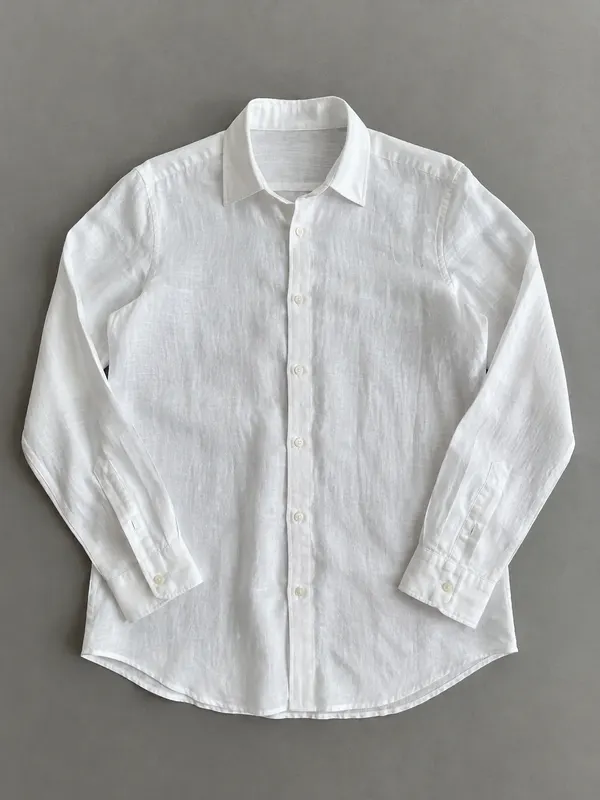
White clothes need a background a few shades darker: mid grey, warm grey or beige. The darker field draws the edge of the collar, the sleeves and the hem, and the camera keeps the white bright instead of pulling it down to grey.
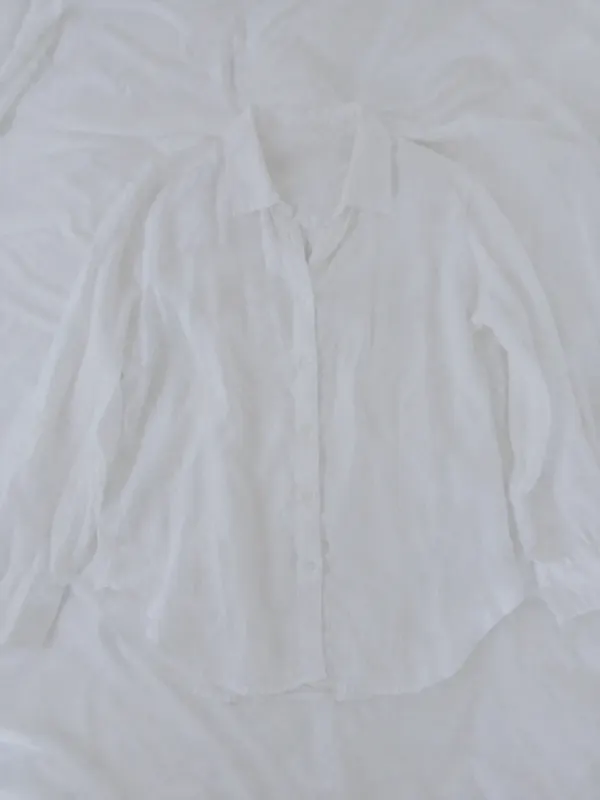
White on white is the classic mistake. On a white sheet the phone sees one large bright area, averages it to grey, and the shirt loses its shape. Cream and ivory pieces suffer even more: next to pure white they look dirty.
A warm grey or stone beige also brings out texture. Linen slub, broderie anglaise and ribbing only show through tiny shadows, and a darker background makes those shadows visible. Exposure and keeping whites clean are covered in our guide to photographing white clothing.
 garmo result
Same color as the garment: good and bad background photos
The same black sweater and the same white shirt, each photographed on two backgrounds. Before you list, run your cover photo through the free listing photo checker to catch dark or low-contrast shots.
Works well
garmo resultgarmo resultAvoid
 garmo result
 garmo result
Red, pink and yellow dresses: which background?
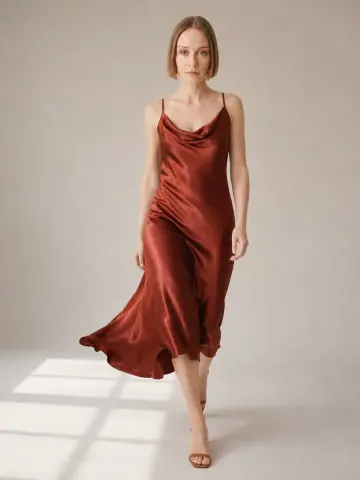
Strong colors look best on warm neutrals: warm beige, cream or light grey. A beige wall makes a red dress look rich and deep without competing with it, as in the photo below, taken on a plain painted wall with daylight from the side.
Avoid backgrounds from the same color family. Pink on blush loses its edges, yellow and mustard melt into beige and warm wood, and a green dress on sage paper looks like part of the wall. For those colors, switch to light grey or a soft blue-grey.
Bright colored backdrops have their place, but in campaign images, not on the cover. A red dress against a cobalt wall stops the scroll on Instagram; in a listing it makes the true red harder to judge. Keep one neutral photo as the cover and use colored backdrops further down the gallery.
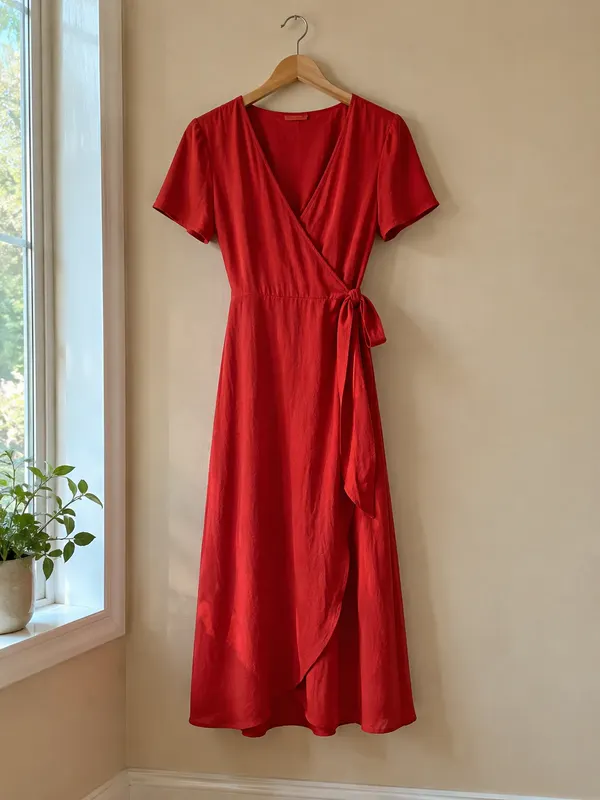 garmo result
Best background color for selling clothes online
When you sell, the best background color for clothes is the one you can repeat in every listing. Buyers scroll a grid of thumbnails, and a shop where every item sits on the same light grey or white looks organised and trustworthy, even if each photo was taken on a bedsheet.
Check your marketplace first. Amazon requires a pure white background on the main image, as our guide to Amazon product image size shows with the Seller Central rules. Resale apps such as Vinted and Depop leave the color to you, so a neutral that suits your clothes is fine. How to get a truly white background with a phone is explained in white background product photography.
On-model photos follow the same rule. When you put clothes on an AI model in Garmo, pick the studio setting and keep it for the whole collection, so flat lays and worn photos sit together in one grid.
Our test: one emerald dress on four backgrounds
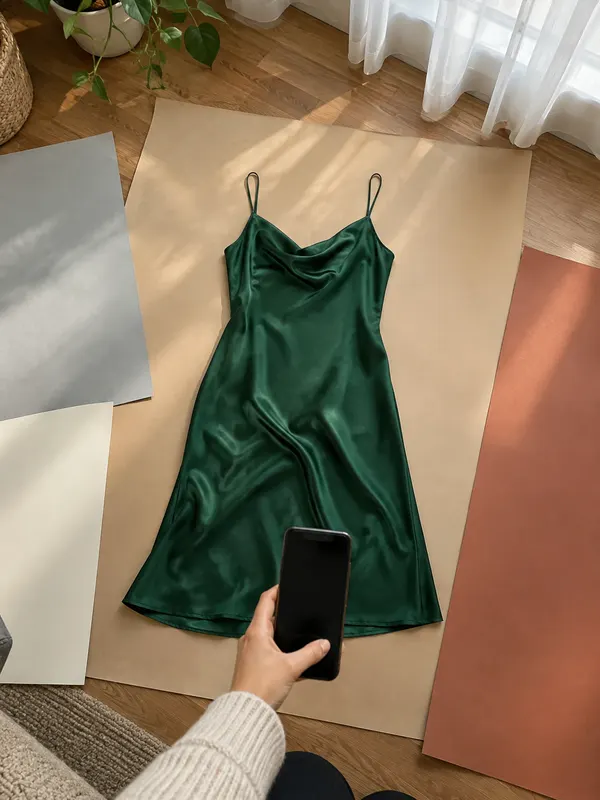
We took one phone photo of an emerald satin dress in a cluttered hallway and ran it through Garmo's background changer with four of its preset backdrops: warm beige, light grey, pure white and sage. Only the background changed; the dress, its sheen, the model and her pose stayed the same.
Emerald satin slip dress, four backdrops
Warm beige gave the richest green and the warmest skin. Light grey was the most neutral and the closest to the dress's real color. Pure white gave the sharpest outline but made the green look darker. Sage was the weakest: green on green, the dress lost contrast against the backdrop.
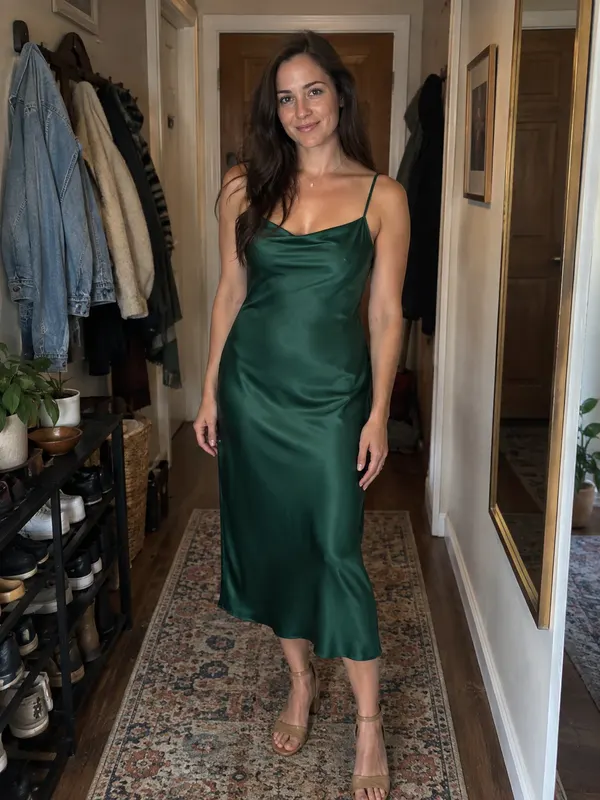 Your photogarmo result
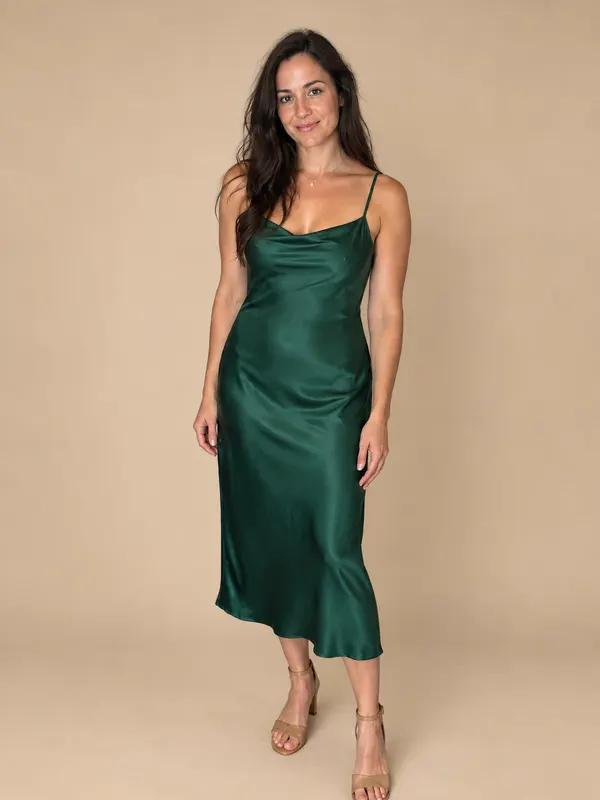 garmo result
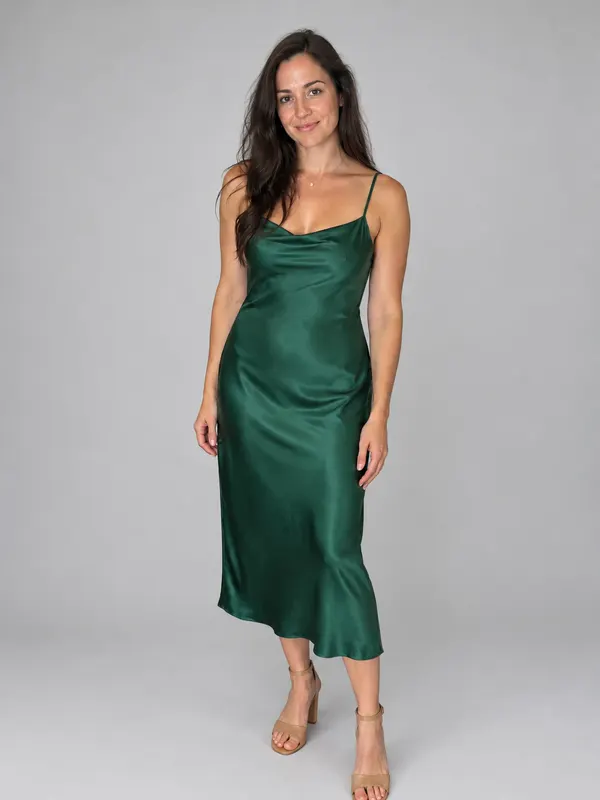 garmo result
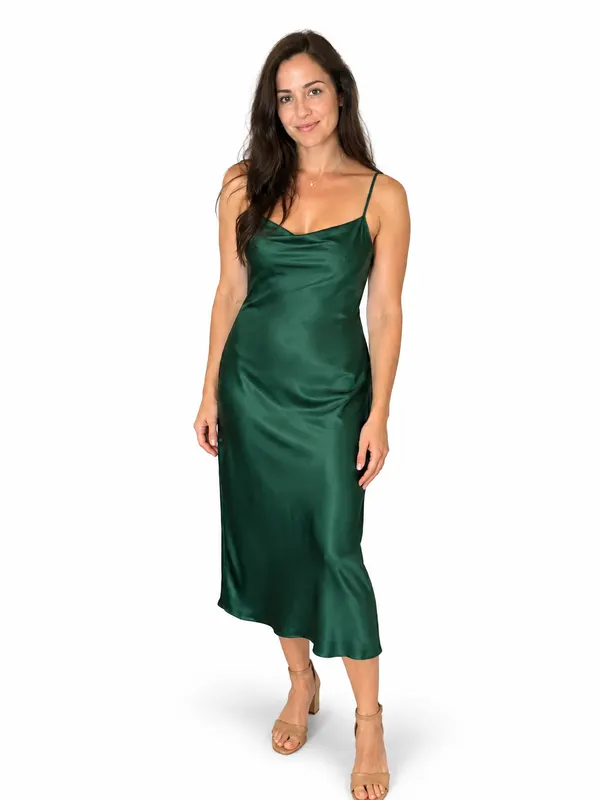 garmo result
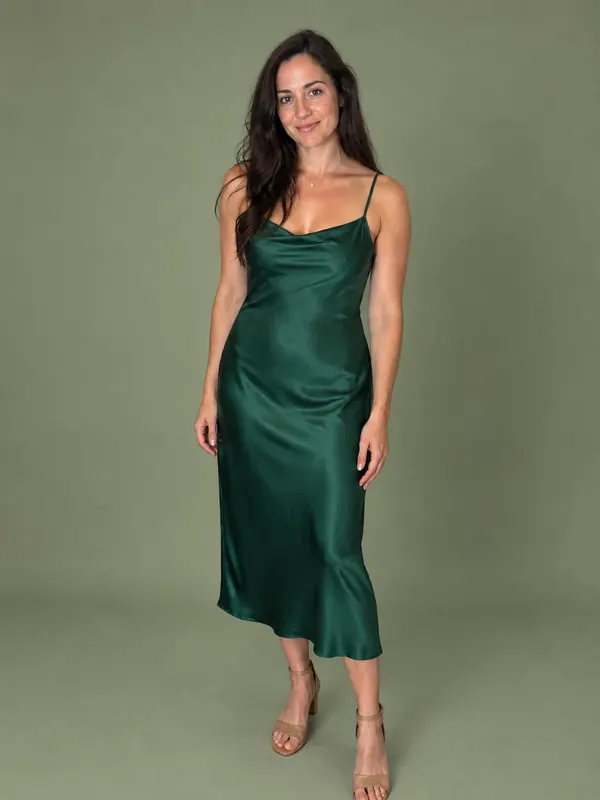 garmo result
Questions about background colors for clothing photos
What is the best background color for selling clothes?
Light grey or white for most listings. Both keep colors accurate and look tidy in a grid of thumbnails. Use the same background for every item in your shop, and check whether your marketplace asks for pure white on the main image, as Amazon does.
What background color is best for black clothes?
Light grey or off-white. Black needs a light background to show its outline, but pure white often makes the phone underexpose and turn the black into a flat shape. Add plenty of daylight from one side to bring out the texture.
What background color is best for white clothes?
Mid grey, warm grey or beige. White on white loses the collar, sleeves and hem, and the camera turns the whole picture grey. A slightly darker background keeps the white bright and the edges sharp, and it shows texture such as linen or eyelet embroidery.
Is a white or grey background better for clothing photos?
Grey is the safer choice if you sell mixed colors, because it works for both dark and white clothes. White looks cleaner and some marketplaces require it, but it needs more light to stay pure white instead of pale grey.
Can I change the background of a clothing photo after taking it?
Yes. You can cut the garment out and place it on a new background, or change the background with AI while the garment and the model stay the same. Compare the result with the original to make sure the fabric color has not shifted.
What background color makes a red dress stand out?
Warm beige, cream or light grey. They let the red look rich without competing with it. Keep red, pink and orange backdrops out of listings, and save bold blues and greens for campaign photos rather than the cover image.
Tools for clothing photo backgrounds
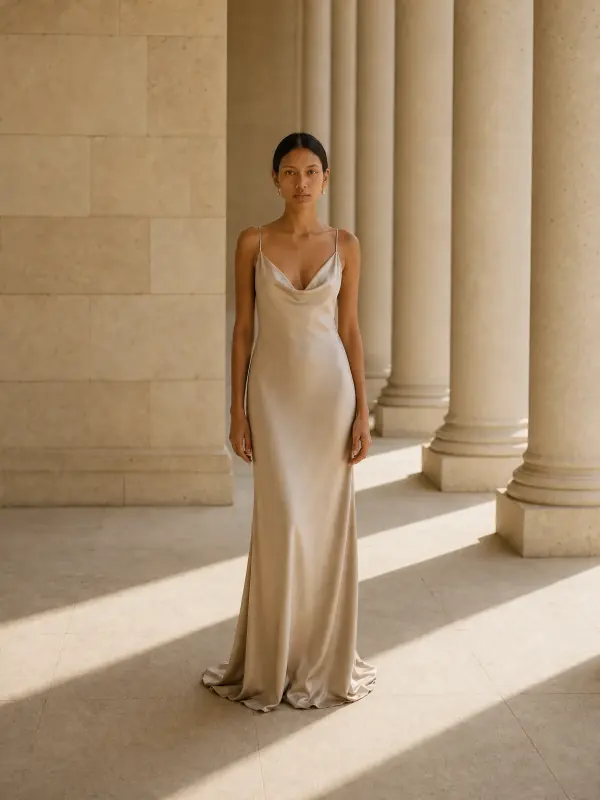
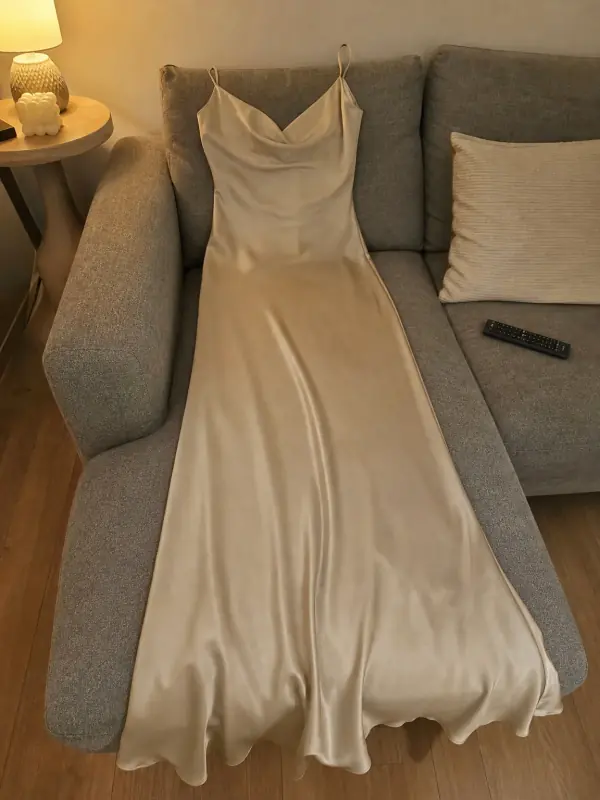 Put clothes on an AI modelUpload a photo of a top, trousers, dress or jacket and see it worn by an AI model, in studio, street or editorial settings.
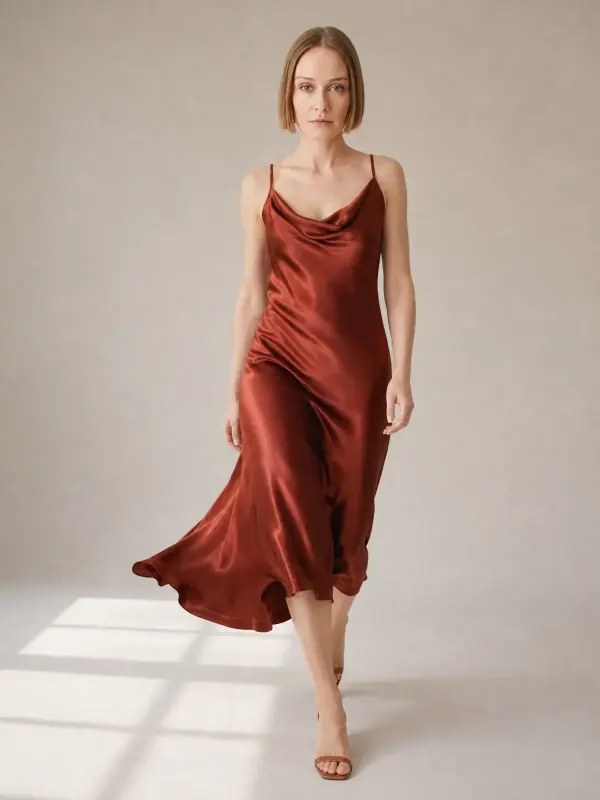
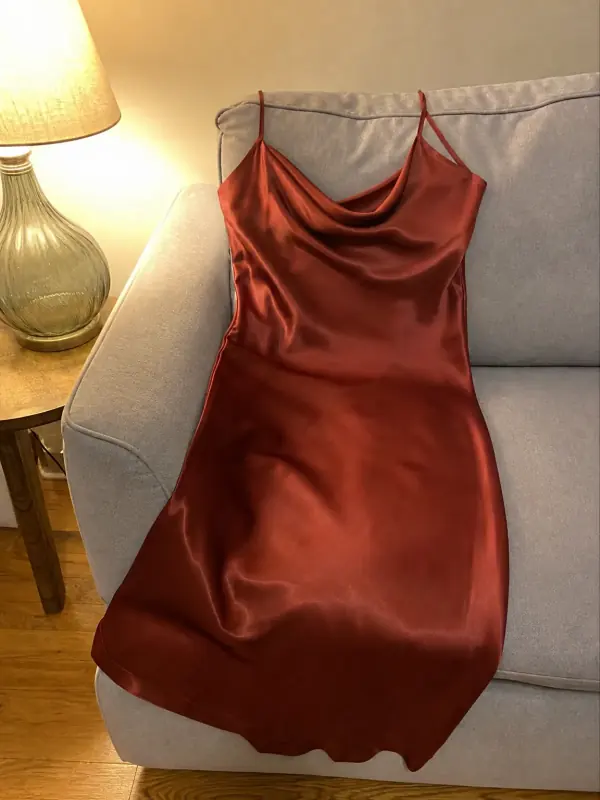 Dress on model AISlip, maxi and knit dresses worn by a model, with walking frames that show how the skirt moves.
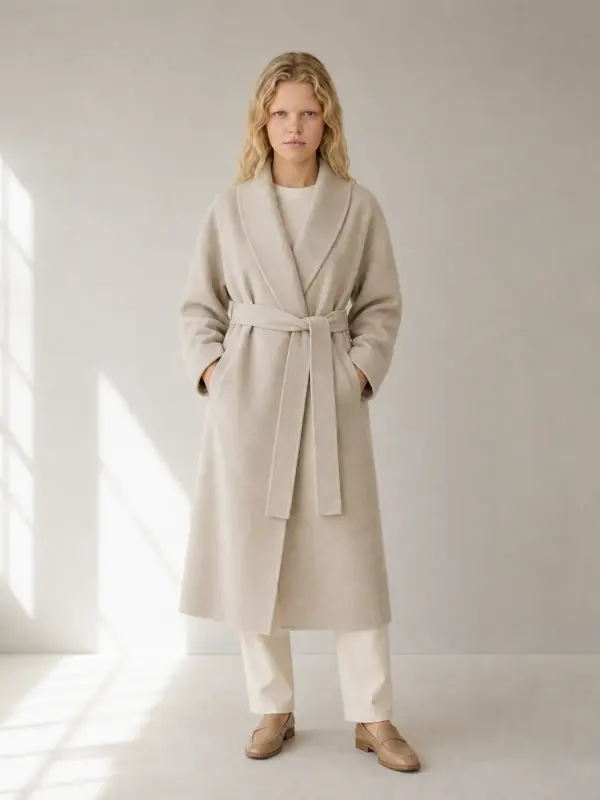
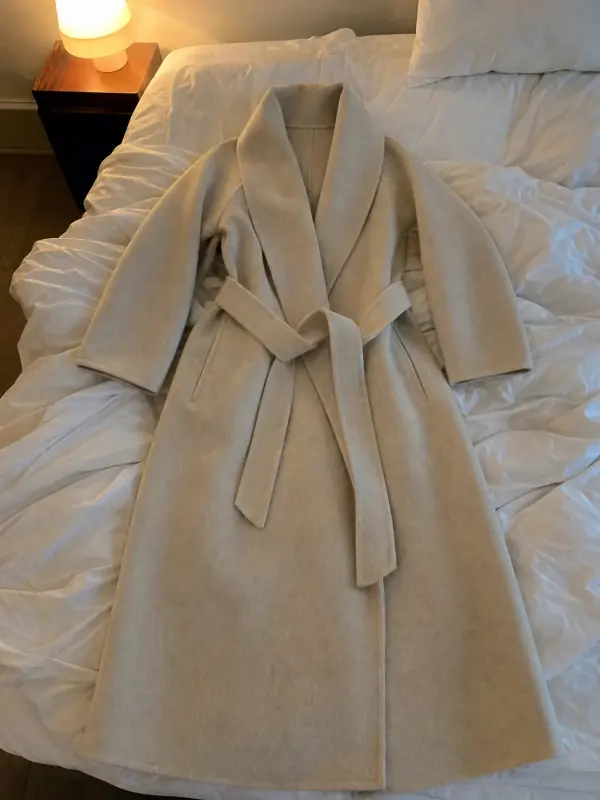 Flat lay to modelLay the garment flat, take one phone photo and get it worn by an AI model from three angles.
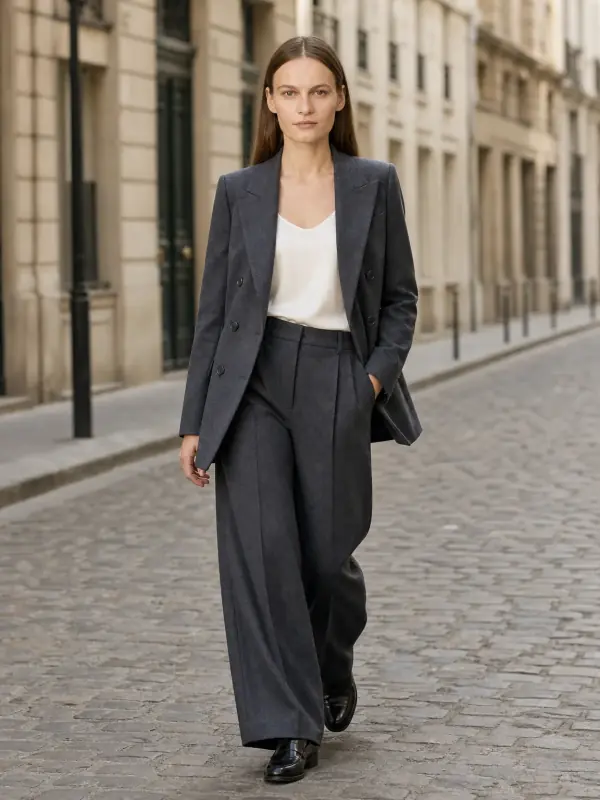
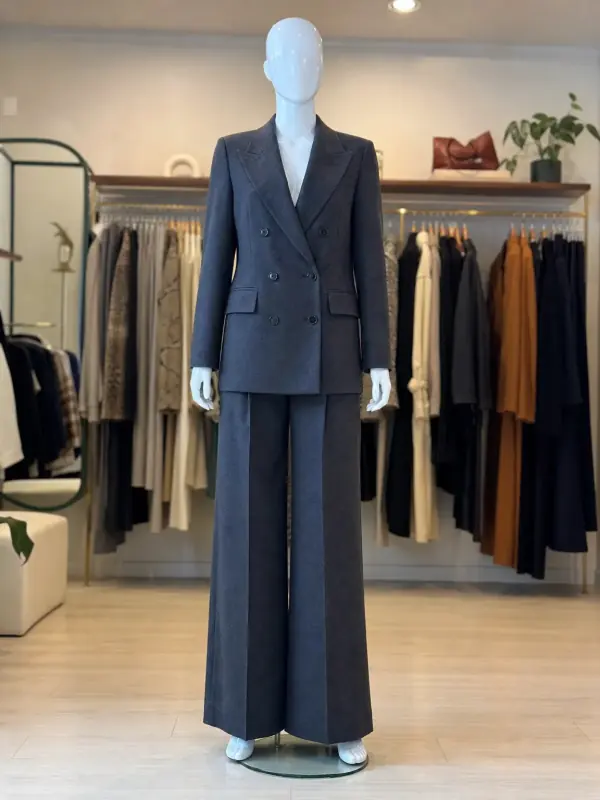 Mannequin to model AIAlready shoot on a mannequin or dress form? Upload that photo as it is and get the same piece worn by a model.
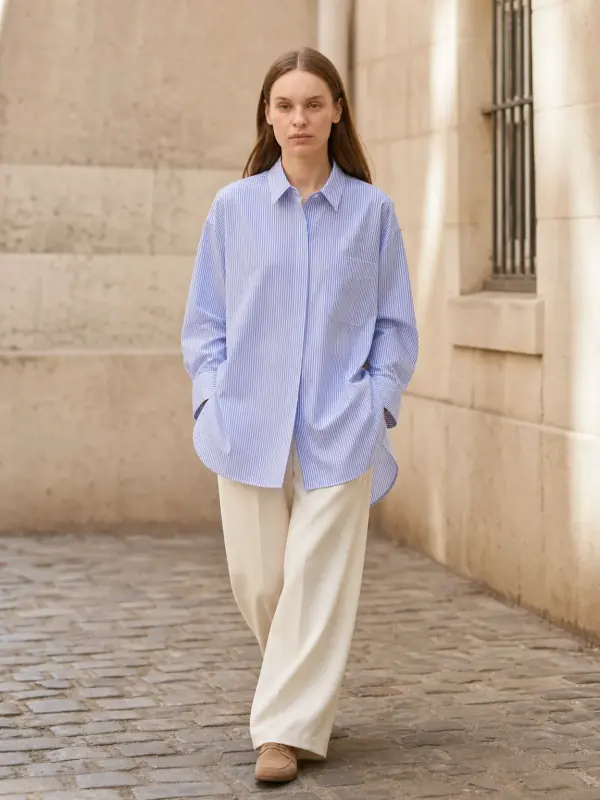
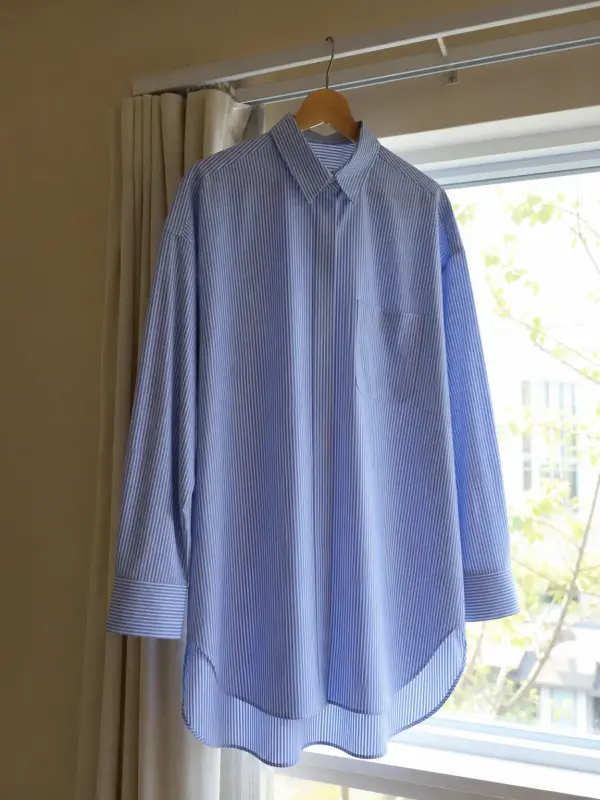 Garment to model AIHang the garment on a door or a rail, take one photo, and get it back worn by a model.
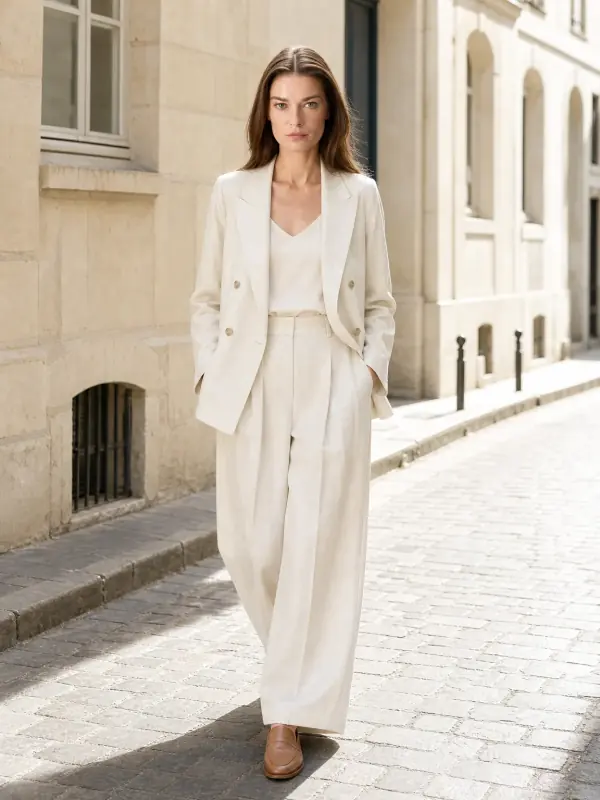
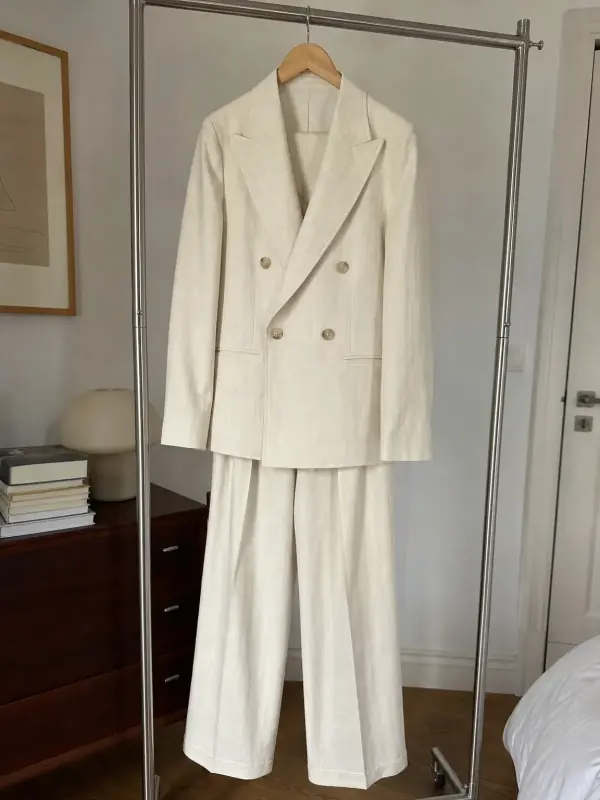 AI model photoshootTurn one product photo into a full photoshoot with a model: studio, street, editorial or a scene you describe, with up to six angles.