 Garmo team
12 fashion photoshoot locations for a clothing brand
These fashion photoshoot locations work for small brands because most are free or cheap and easy to reach. Each suits a different kind of collection; when the right place is out of reach, an AI background changer can move a studio photo there instead.
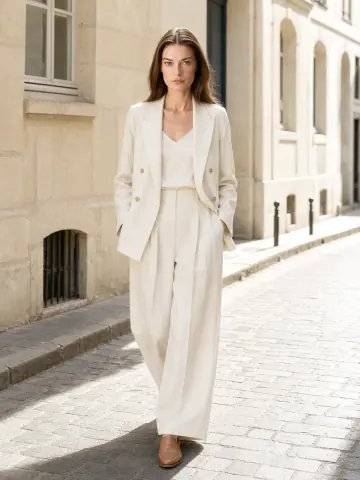
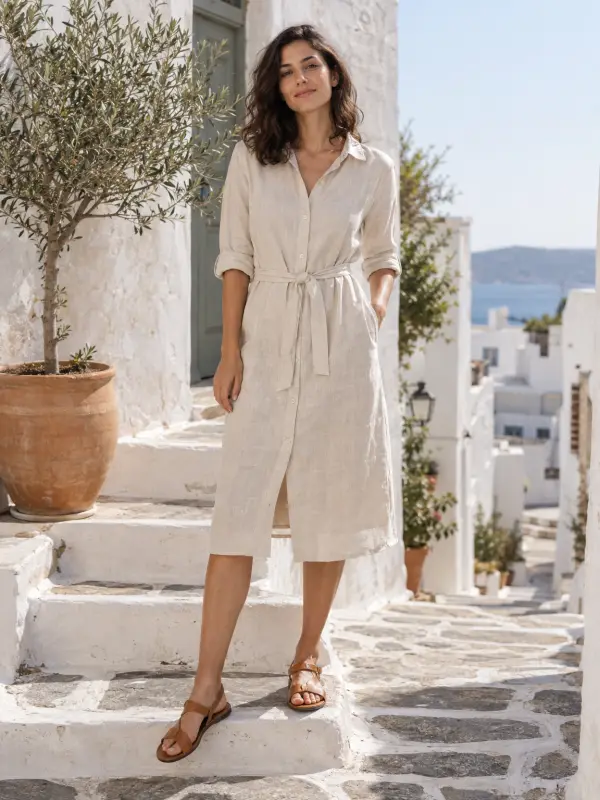
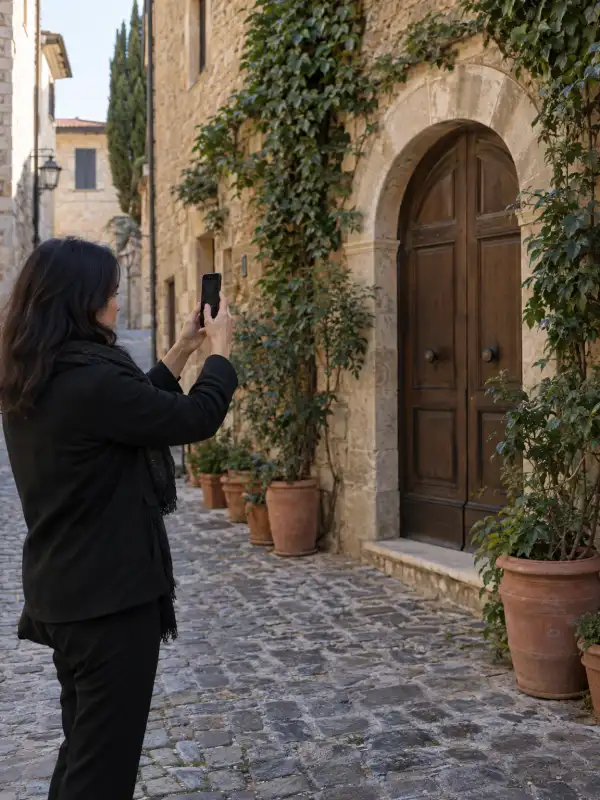
Old-town street
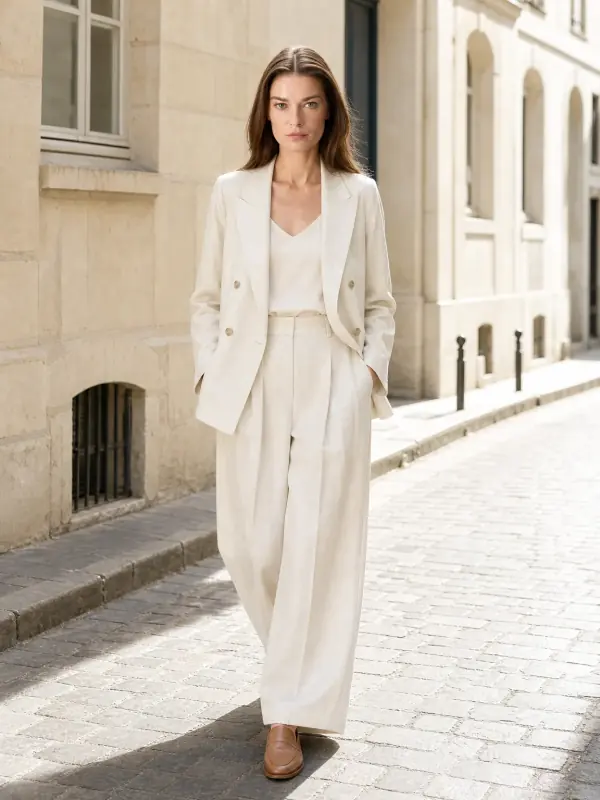
Cobbles, shutters and doors. Works for summer dresses, linen and anything relaxed.
Outdoor stairs
Steps give poses for free: seated, leaning, walking down. Stone suits neutrals.
Café terrace
Chairs, small tables and window light for casual weekend looks.
Hotel lobby
Marble, brass and warm light for tailoring and evening wear. Ask the hotel first.
Beach or seafront
Wide, bright and simple. Swimwear, resort and linen; go early before the crowds.
Park or garden
Green leaves flatter warm colours. Shade under trees gives soft light all day.
Rooftop
A skyline and open sky for city wear, best around sunset.
Concrete and industrial
Car parks, underpasses and warehouses for streetwear and outerwear.
Market or shop front
Colour and life, but keep other brands’ signs and logos out of frame.
A home interior
A sofa, a bed, a kitchen counter: knitwear, loungewear and sleepwear look natural.
Fields and countryside
Wheat, meadows or vineyards for prairie and harvest looks. Ask the landowner.
Modern architecture
Clean walls, glass and repeating lines for minimal collections.
How to choose a location that fits the collection
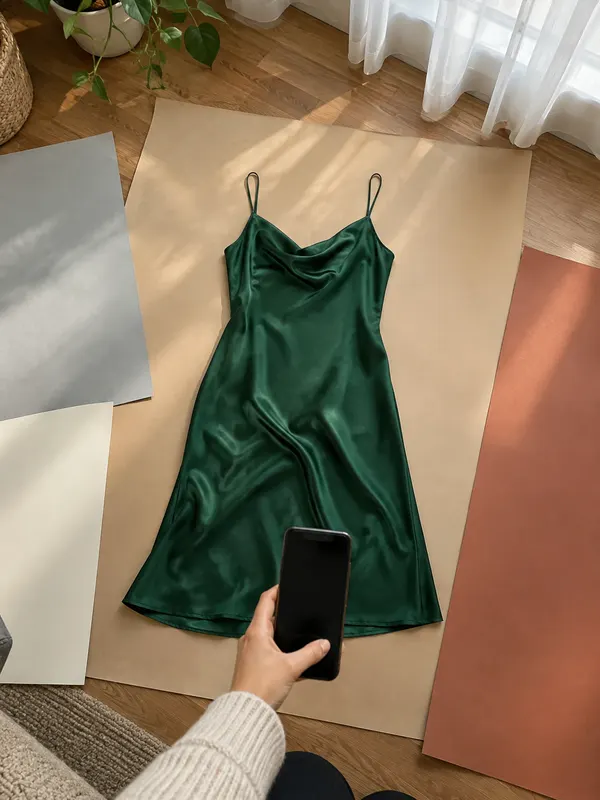
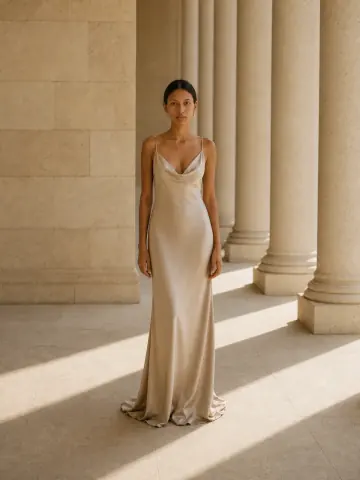
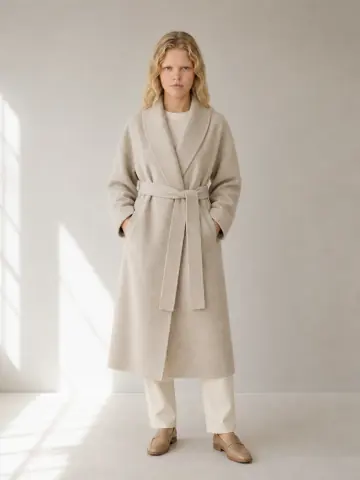
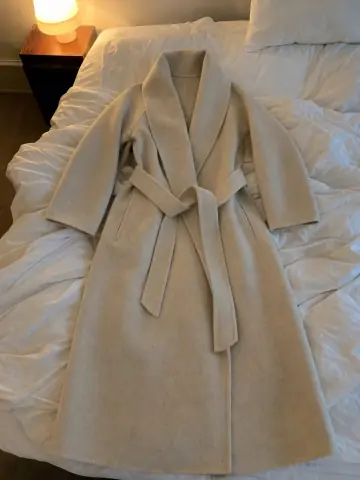
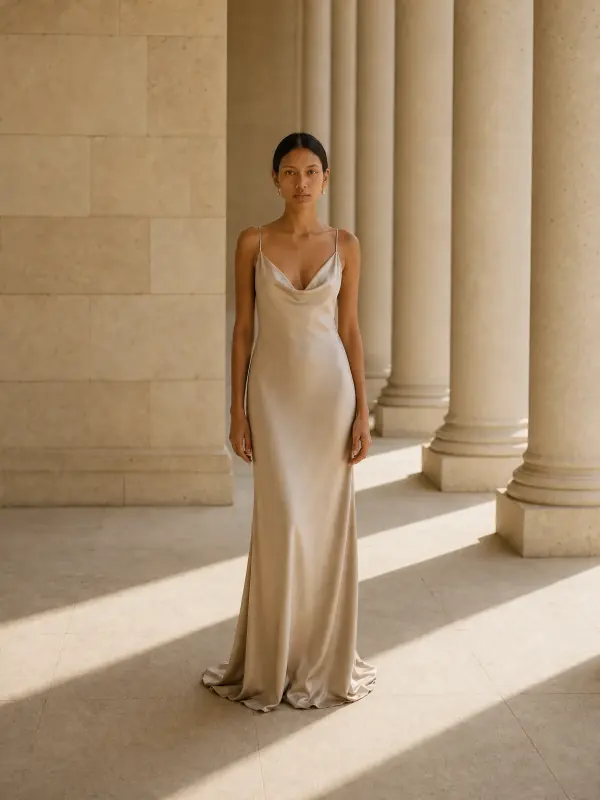
When you compare fashion photoshoot locations, start from the clothes, not the place. Ask three questions: what season is the collection for, what colours does it use, and where would your customer actually wear it? A linen set belongs on a warm terrace, a wool coat on a city street in soft grey light, a silk slip dress in a dim lobby. When the location answers the same question as the clothes, the photos sell the mood without stealing attention.
Colour is the second filter. Neutral collections need texture in the background, such as stone, plaster or wood, while bright collections need calm, plain surroundings. Avoid backgrounds in the same colour as the hero piece; a green dress disappears in a green park.
Then choose one location per collection or drop. A single place reads as a campaign, five places read as random snapshots. Ideas for keeping it consistent are in the guides to lifestyle product photography and streetwear photoshoot ideas.
How to scout a photoshoot location in five steps
A short visit a few days before the shoot saves hours on the day. Take your phone and a notebook.
- 01
Visit at the hour you will shoot
Light changes completely between 9 am and 4 pm. A spot that is in shade at noon may be in harsh sun by afternoon.
- 02
Take test photos
Stand where the model would stand and shoot full-length, vertical frames with your phone. Photos show clutter your eyes ignore.
- 03
Note the light direction
Where does the sun come from, and where is the nearest shade for midday?
- 04
Check the background
Logos, bins, parked cars, construction and crowds. Find two or three clean angles.
- 05
Plan the practical side
Where will the model change, where are toilets, how long can you stay, and who do you need to ask?
Do you need a permit to shoot in public?
Often not for a tiny crew, but the rules depend on the city and on how much space you take. New York is a clear example: the city’s film office page on when a permit is required (checked on 12 November 2026) says no permit is needed for a hand-held camera or a camera on a tripod, as long as you do not claim exclusive use of city property, block traffic or request parking for production vehicles.
Lights on stands, closed pavements, large crews and private places change that. Shopping centres, hotels, cafés, stations and parks run by private owners need the owner’s permission, even for a quick phone shoot. Ask the manager before the day and keep the answer in writing.
Model releases matter as much as location permits. Everyone recognisable in a commercial photo, including friends who model for you, should agree in writing to how the images will be used.
Light at each kind of location
Outdoors, the first two hours after sunrise and the last two before sunset give warm, low light that flatters skin and fabric. Midday sun is harsh and makes deep shadows under the eyes and in folds, so move to open shade under a tree, a building or an arcade. An overcast day is the easiest of all: soft and even everywhere.
Indoors, shoot near the largest window and turn the overhead lights off, because mixing warm bulbs with daylight gives patchy colour. Lobbies and cafés are often darker than they look, so bring a phone tripod or a white reflector.
Check the colour of the light against the real garment. Golden hour makes white look cream and cream look yellow, which is lovely for a campaign image and misleading for a product image. Keep one neutral shot of every piece for the product page.
One studio shoot, many locations with AI
If you cannot travel, shoot once in a studio or against a plain wall and change the place afterwards. Upload a photo with the model, or a product on its own, to the AI background changer and pick a scene: plain studio backdrops in white, beige, grey or sage, interiors such as a hotel lobby, a café, a gallery or a living room, outdoor places such as a Paris street, a sea terrace, a coast at sunset, desert dunes or a lake garden, and surfaces such as marble, linen, oak or travertine for products.
The model, the outfit and the pose stay as they are; the light and the shadows on them are matched to the new place. You can also describe your own location in a sentence or add a photo of it, and choose to keep the shape of the photo or extend it to 1:1, 4:5 or 9:16 for social media. Each new background uses one credit and the first 3 images are free.
No model photo yet? An AI model photoshoot puts your product on a model in a studio, street or editorial setting from a single phone photo, and the AI pose changer adds walking or seated frames for the same location.
Pick a scene
A location shoot, without the trip.
Move a finished photo to a new place, with the light matched to the scene.
When a real location is still worth it
Some photos are hard to fake. Wind in a skirt, a model running down stairs, sand on bare feet or a group of friends laughing at a table carry a feeling that is worth the trip for a hero campaign or a brand film. Real locations also give you behind-the-scenes content for social media that a background swap cannot.
A sensible split for a small brand is one real location shoot per season for the hero images, and studio photos moved to matching scenes for the rest of the range. The guide to choosing a product photography background explains which background each image slot needs.
One studio photo, new locations
Studio photos moved to new places. Model, outfit and pose stay; the light changes with each scene.
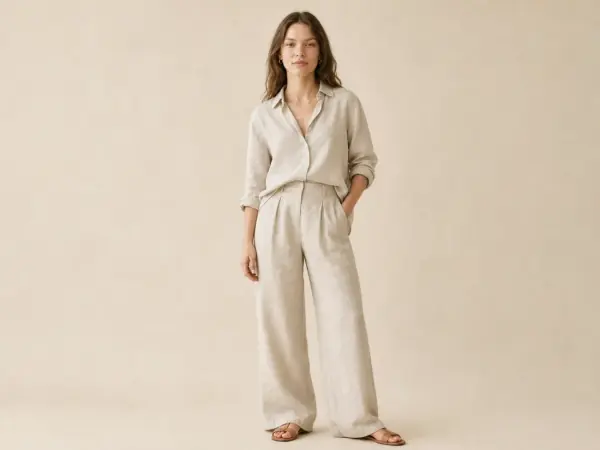
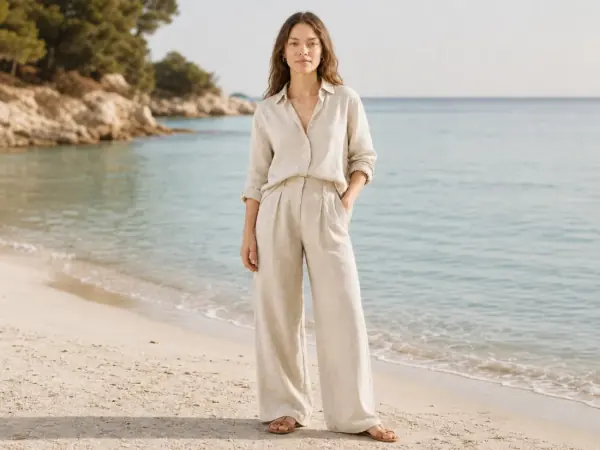
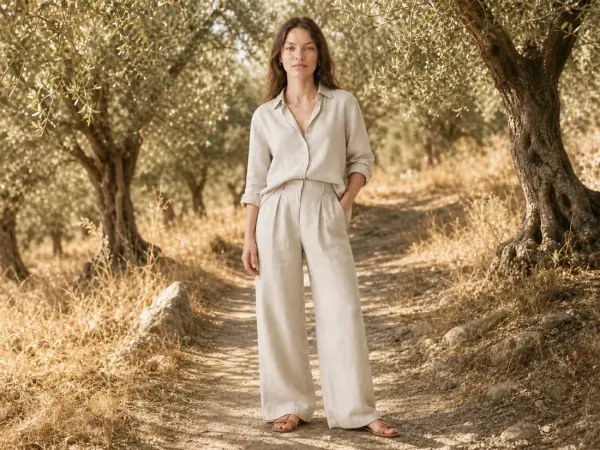
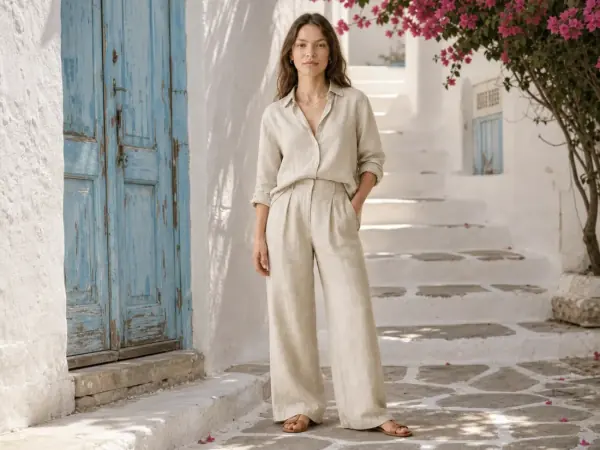
Linen shirt and trousers
A relaxed linen set goes from the studio to three summer places that suit it; the wrinkles of the linen and the sandals stay the same.
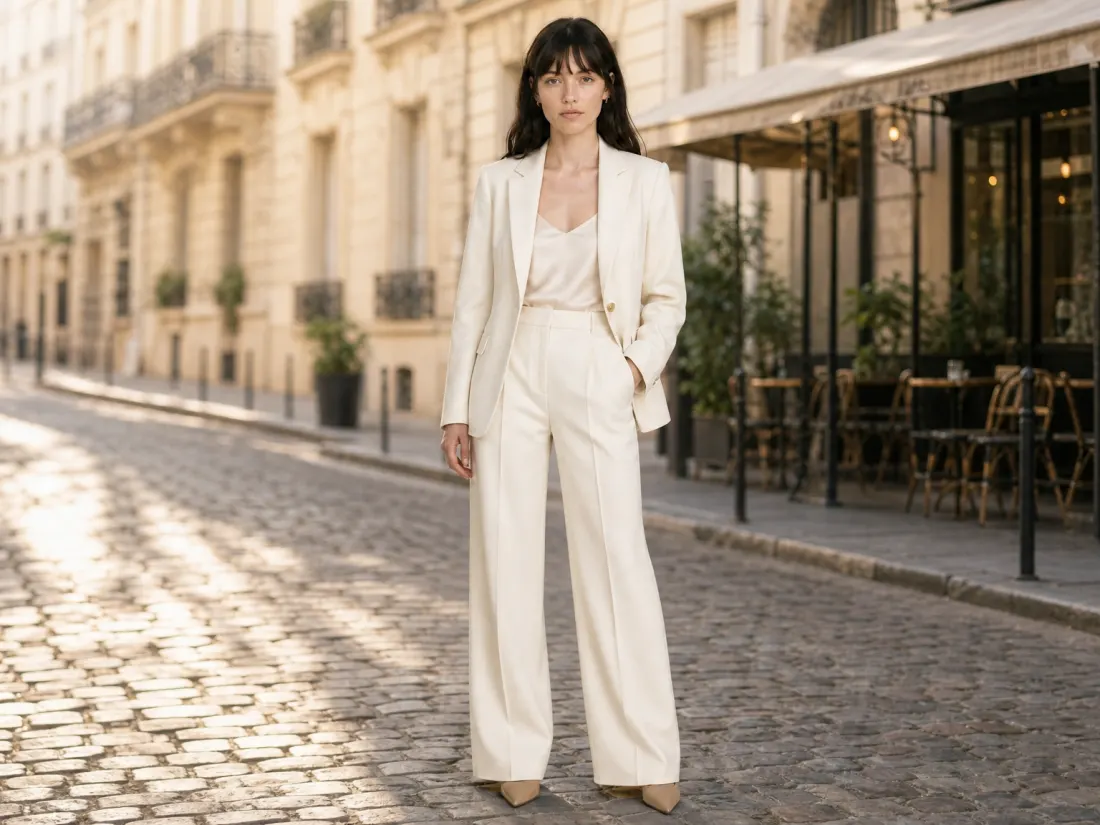
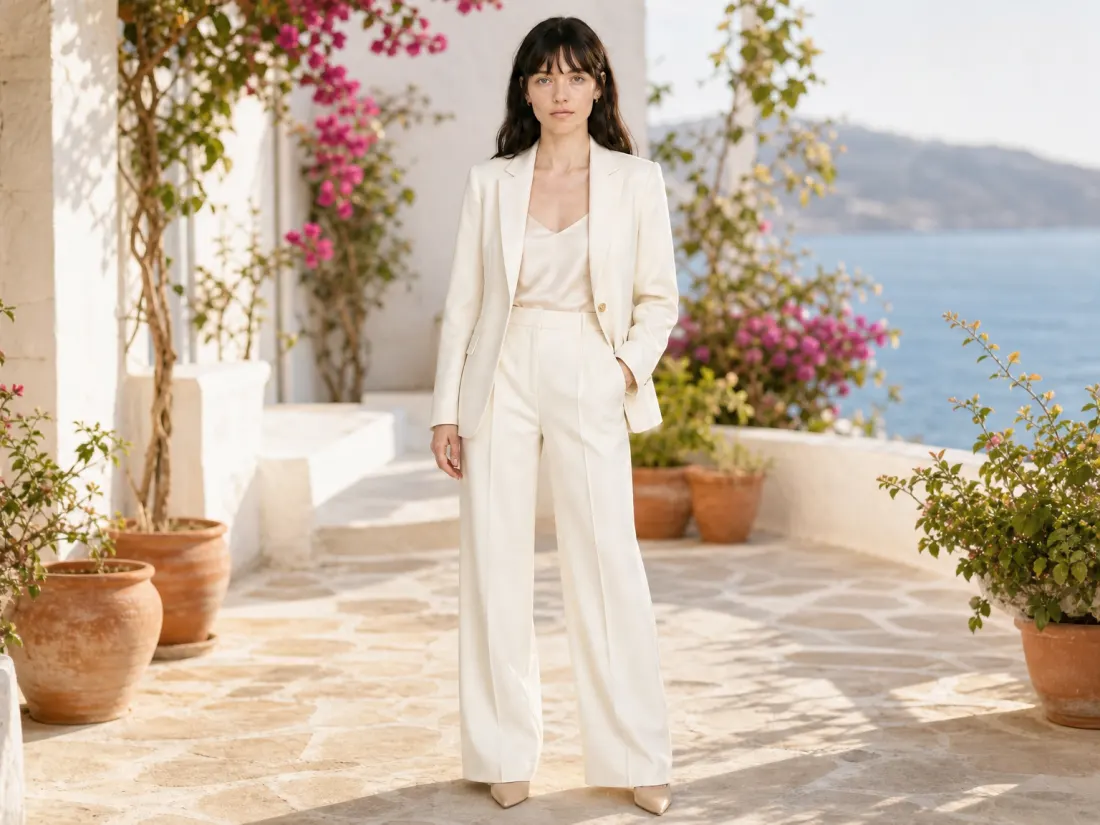
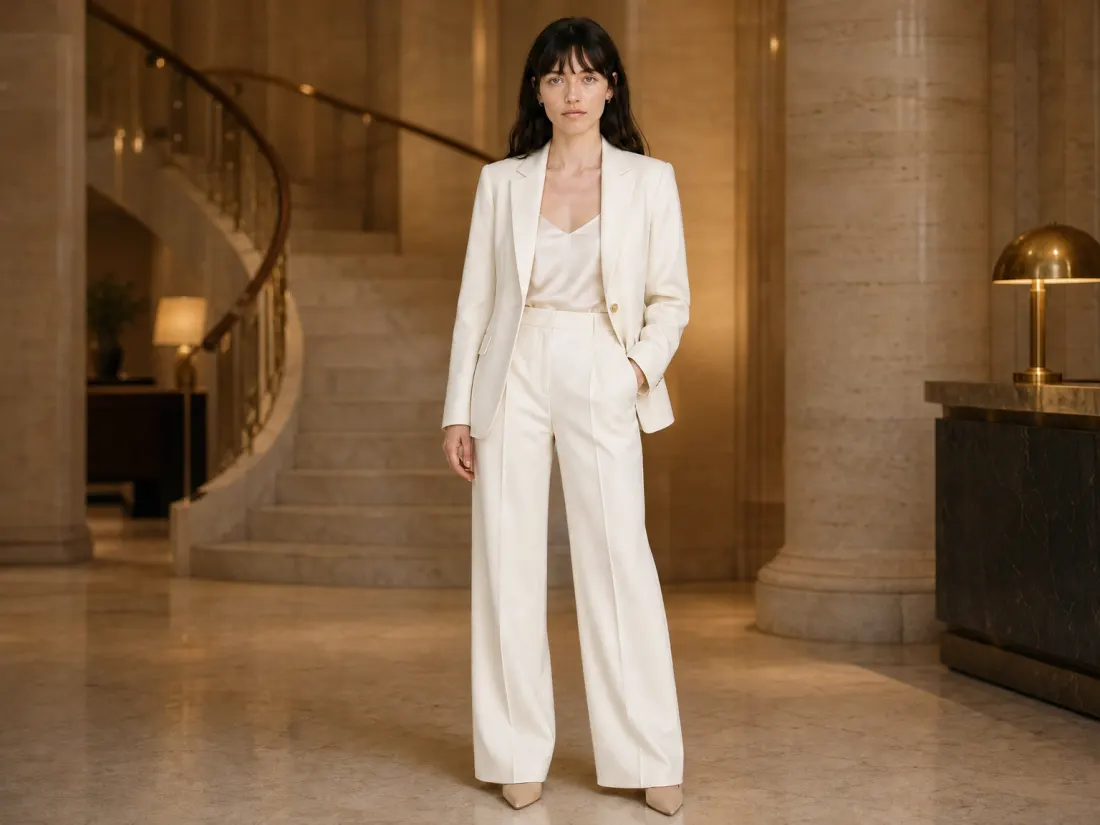
Your photoIvory trouser suit
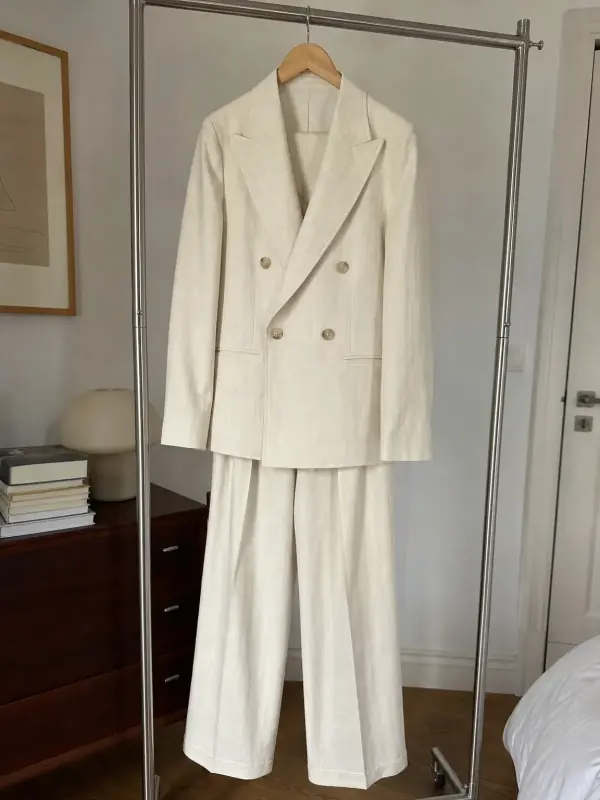
A tailored suit taken from a plain studio to a Paris street, a sea terrace and a hotel lobby. The cream wool keeps its colour in warm and cool light.
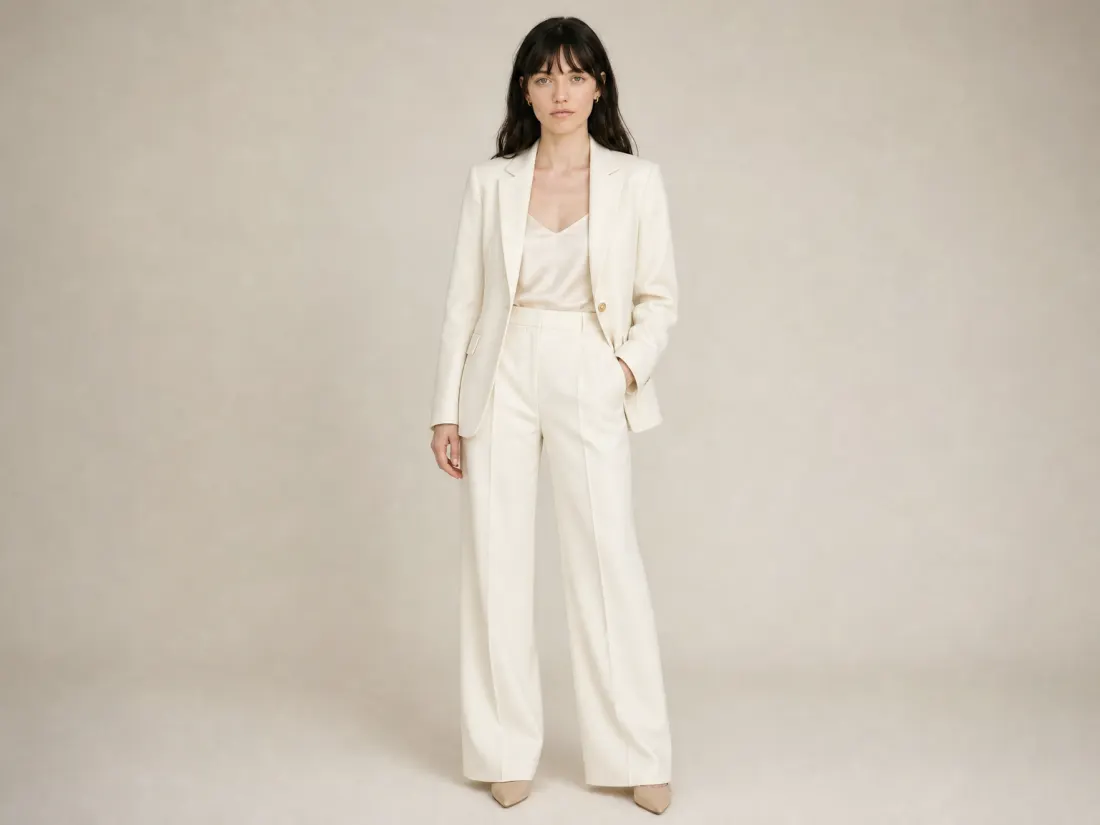 Your photo
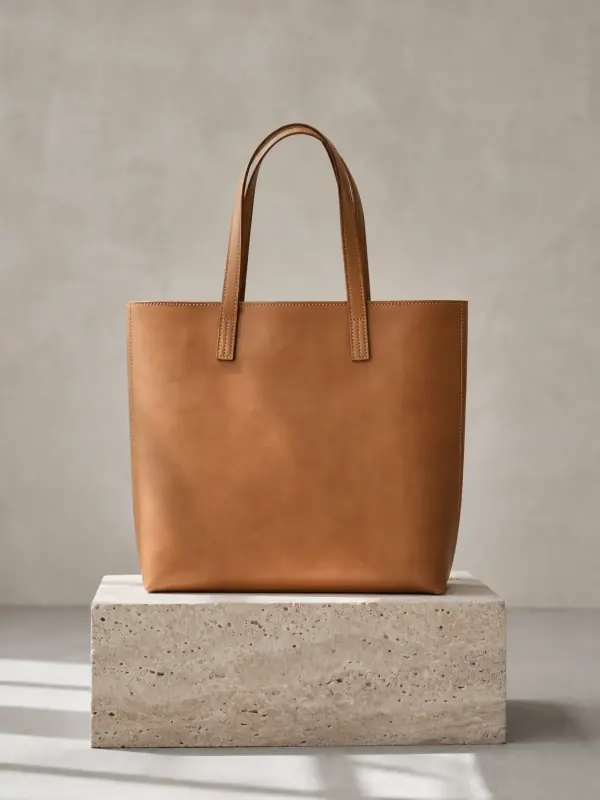
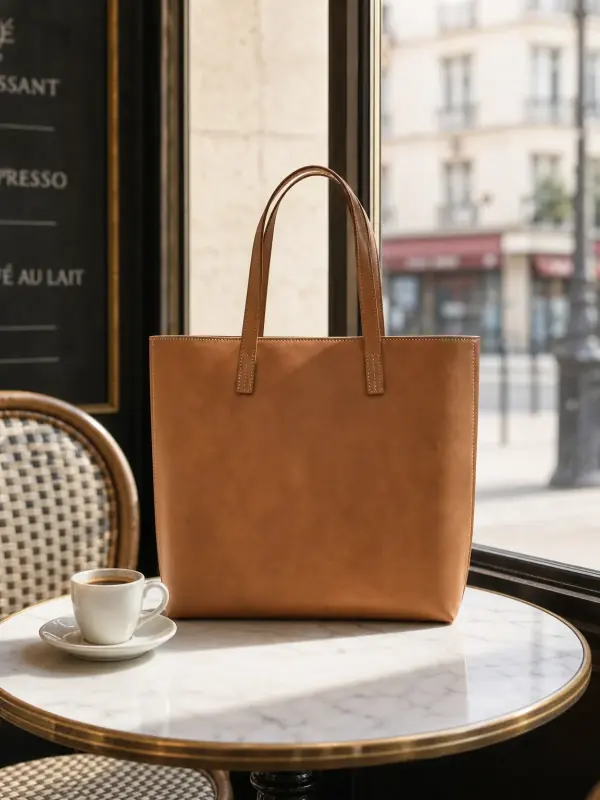
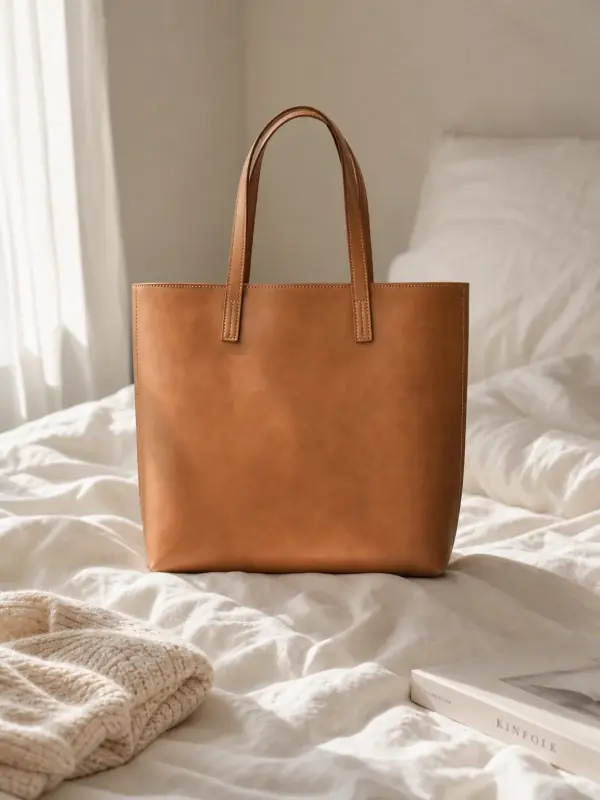
Leather tote without a model
Products work too: a tan tote on a studio plinth goes to a café table and a bed in morning light, each with its own shadow.
 Your photo
Questions about fashion photoshoot locations
Where can I do a fashion photoshoot for free?
Public streets, stairs, beaches and parks are usually free for a small crew with a hand-held camera. Go early to avoid crowds. Cafés, hotels, shopping centres and private parks need the owner’s permission even if they are open to the public.
How do I find good photoshoot locations near me?
Walk or scroll your area with the collection in mind: old streets, stairs, terraces, gardens and modern buildings. Search map photos and local photographers’ work for ideas, then visit the best two at the hour you plan to shoot and take test photos.
What is the best time of day for an outdoor fashion shoot?
The first two hours after sunrise and the last two before sunset give soft, warm light. On an overcast day you can shoot at any hour. At midday, use open shade under trees or buildings.
Do I need a permit for a photoshoot on the street?
It depends on the city and the size of the shoot. In New York, for example, a hand-held camera or a tripod needs no permit as long as you do not block traffic or take over public space. Lights, closed pavements and large crews usually need one.
Can AI put my photos in a different location?
Yes. An AI background changer keeps the model, outfit and pose and replaces the place, matching the light to the new scene. Use it for lifestyle images and ads, and keep a plain-background image where a marketplace requires one.
Tools for location photos without the trip
 AI model photoshootTurn one product photo into a full photoshoot with a model: studio, street, editorial or a scene you describe, with up to six angles.
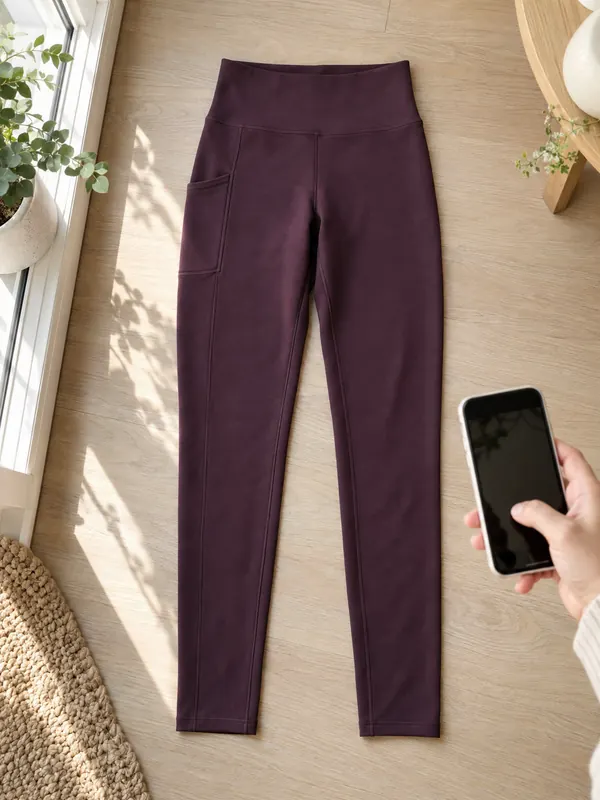
 Put clothes on an AI modelUpload a photo of a top, trousers, dress or jacket and see it worn by an AI model, in studio, street or editorial settings.
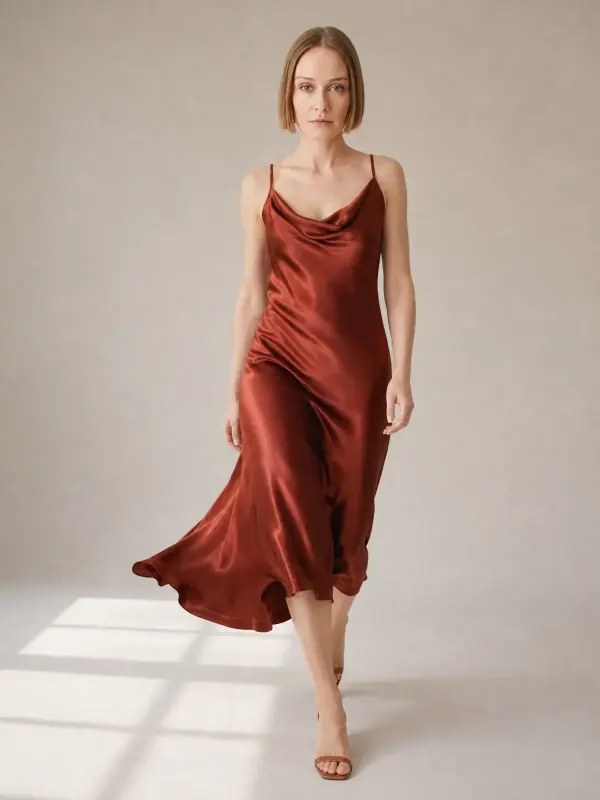
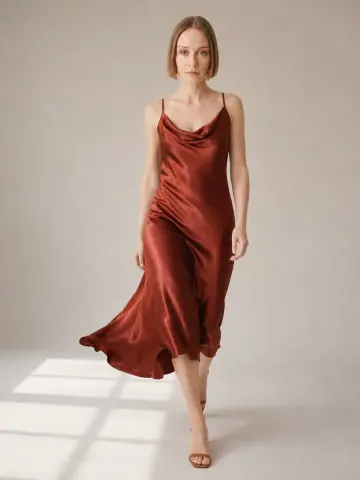
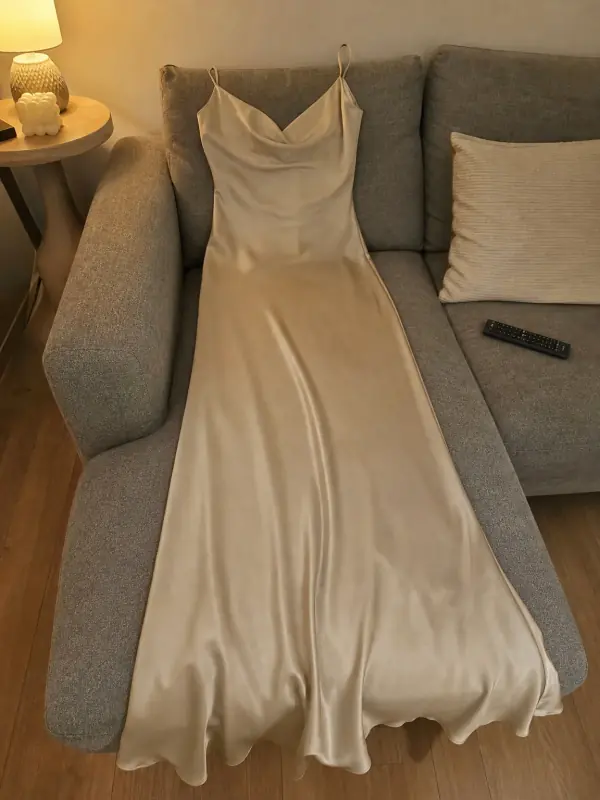
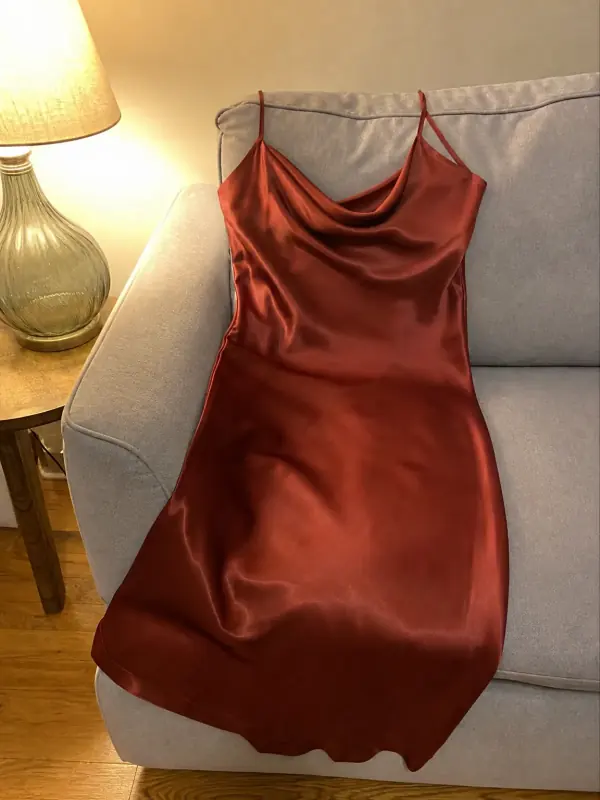 Dress on model AISlip, maxi and knit dresses worn by a model, with walking frames that show how the skirt moves.
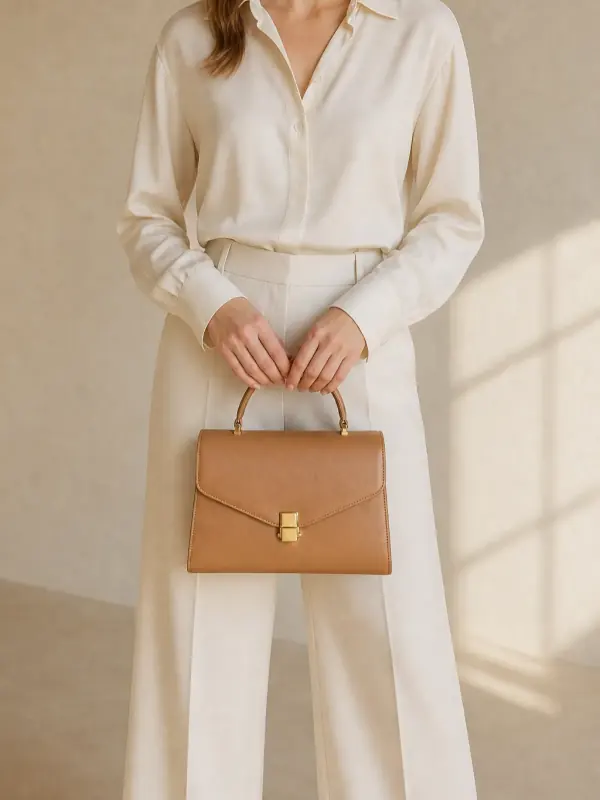
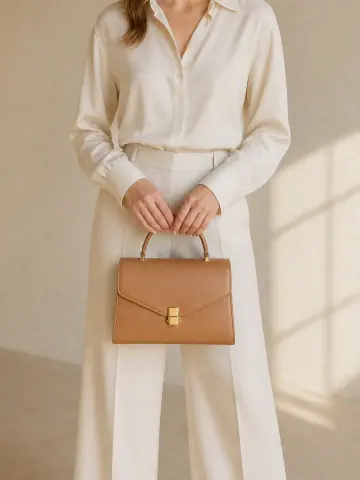
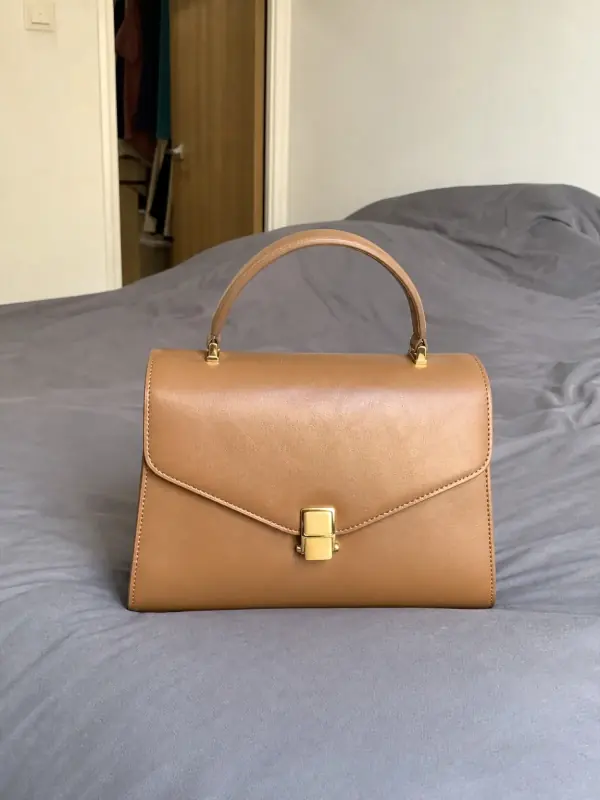 Bag on model AIShow a handbag held, worn on the shoulder or styled with an outfit from one clear source photo.
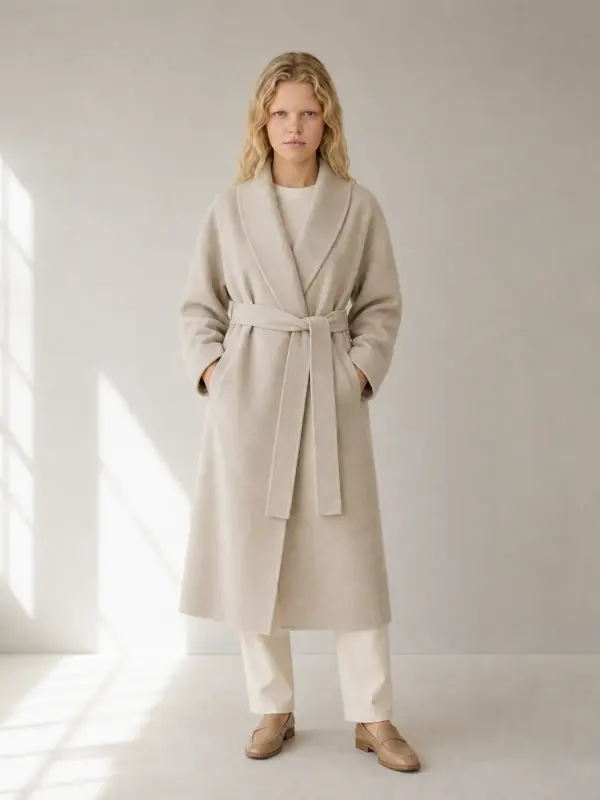
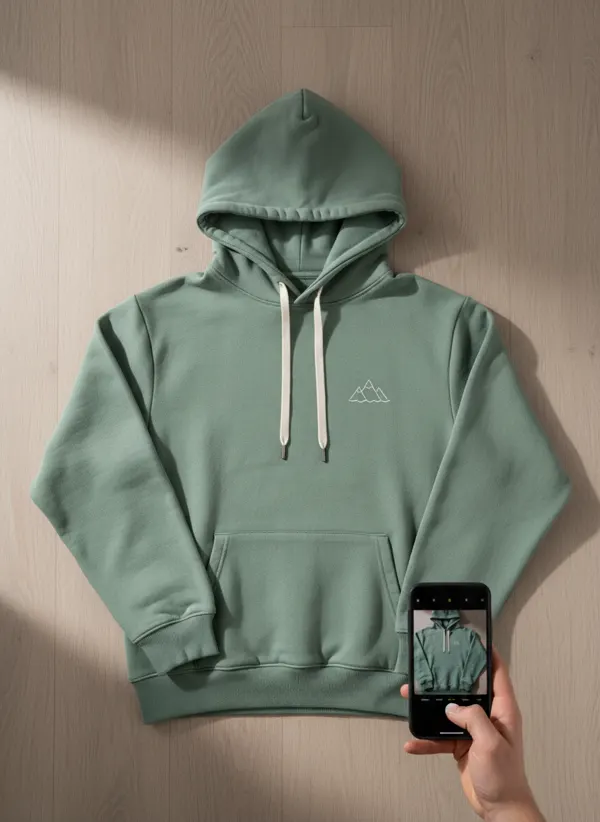
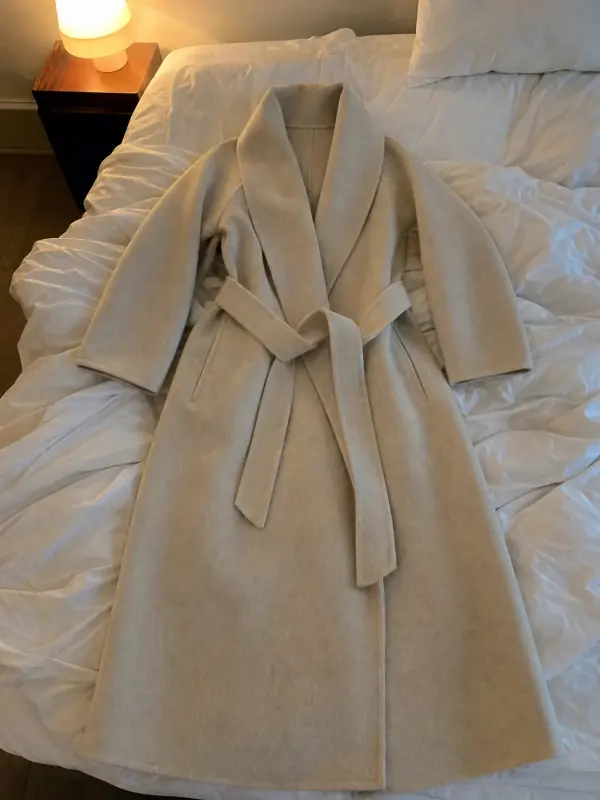 Flat lay to modelLay the garment flat, take one phone photo and get it worn by an AI model from three angles.
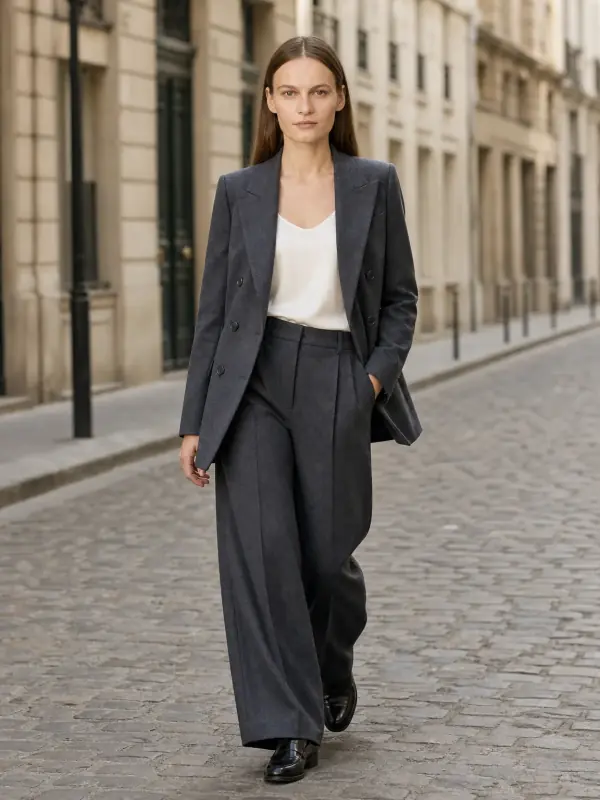
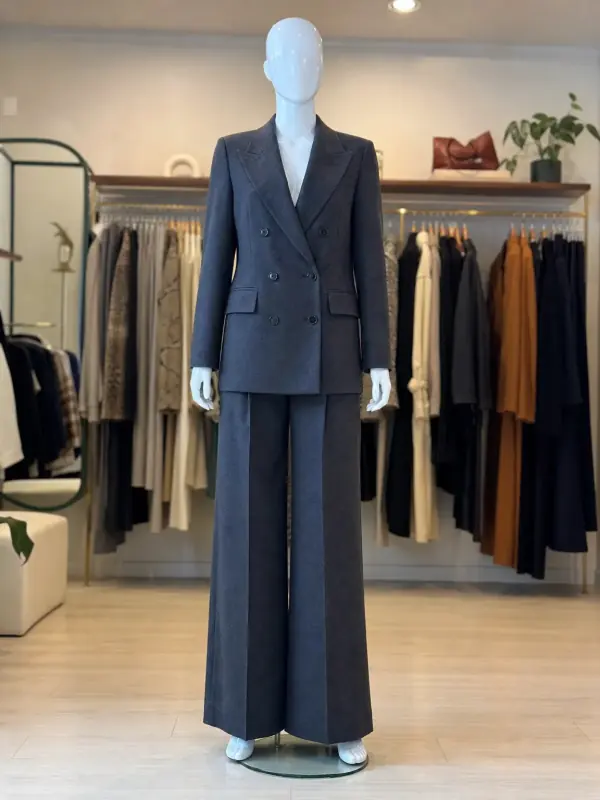 Mannequin to model AIAlready shoot on a mannequin or dress form? Upload that photo as it is and get the same piece worn by a model.