

 Garmo team
What a sunglasses photo has to show
A buyer looking at sunglasses online wants four answers: the shape of the frame, the real colour of the lenses, how wide the pair is and how it looks on a face. A photo of the glasses folded on a desk answers maybe one of them. Most weak eyewear listings fail on the second point: the lenses are full of ceiling lamps, windows and the seller's own phone, so nobody can tell whether the tint is brown, grey or green.
So the question of how to photograph sunglasses is mostly a question of light. The frame is easy; the lenses are small curved mirrors. Get the reflections under control and the rest of the shoot is ordinary product photography with a phone.
The last answer, how the pair looks on a face, is the one a table photo can never give. Later in this guide you will see how to shoot your own face, and how to skip that step by uploading the product photo to eyewear on model AI, which puts the same pair on a model.
Setup: a window, a white card and a small block
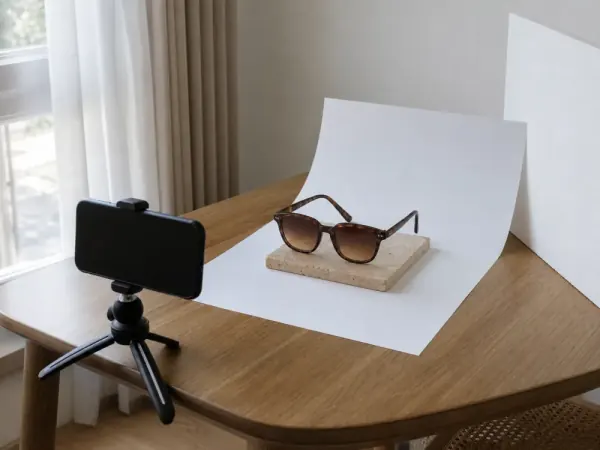
The setup that works for almost every pair is a table beside a window, out of direct sun. Lay a sheet of white or light grey paper so it curves up behind the glasses, then stand a white foam board on the side away from the window. That board does two jobs: it fills the shadow side and, more importantly, it is what the lenses reflect. A clean white reflection looks like a product photo; a dark room reflected in the lens looks like a mistake.
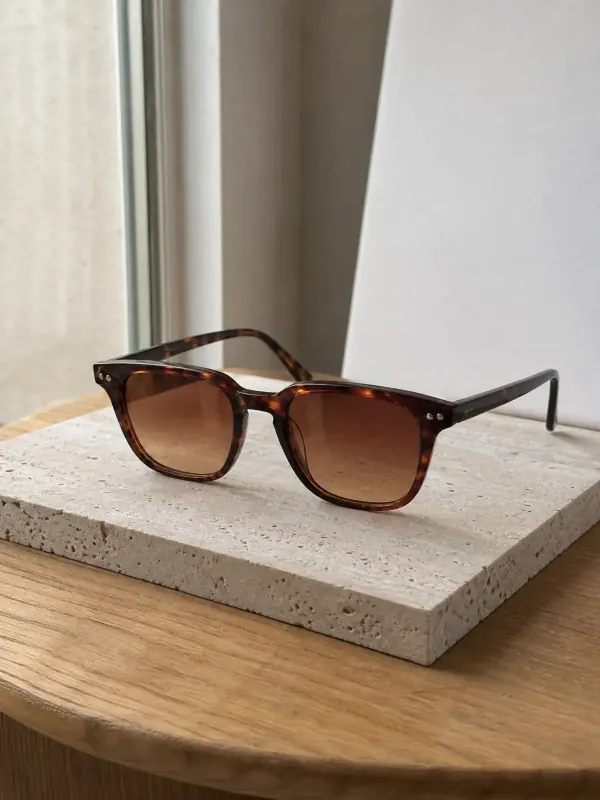
Unfold the temples and stand the glasses on a small block, a stone coaster or a matchbox wrapped in paper, so the arms rest on the surface and the front faces the camera. A raised pair catches light better and shows the bridge and nose pads. Wipe the lenses with a microfibre cloth and handle the frame by the arms from then on.
Turn the ceiling lights off. Put the phone on a small tripod at the height of the lenses, about 40 to 60 cm away, switch to the 2x lens and use the timer. Going closer with the 1x lens bends the frame and makes the front look wider than it is. For a wider look at light, our product photography lighting setup guide covers the same idea with larger products.
How to photograph sunglasses: seven shots
Take the same seven frames in the same order for every pair, so your shop looks like one shoot and buyers know where to look.
Front, standing open
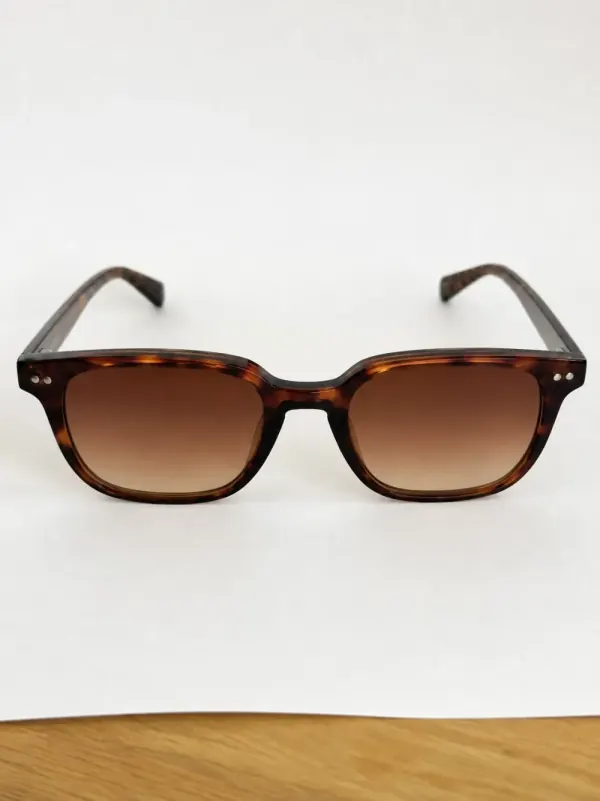
The main photo: lenses square to the camera, the pair centred and filling most of the frame.
Three-quarter
Turned about 45 degrees so one temple arm and hinge show. Many shops use this as the first image.
Side profile
The arm from the side: its thickness, any pattern or metal detail and the shape of the tip.
Inside the arm
The size printed on the inside of the temple, such as 52□18-145: lens width, bridge and arm length.
Lens and hinge detail
A close-up of the tint, any mirror or gradient coating and the hinge or rivets.
Folded, with case
The pair folded on its case or pouch, so buyers see what arrives in the box.
Worn
On a face, front or three-quarter. This is the photo that sells the shape; see below.
How to photograph sunglasses without reflections
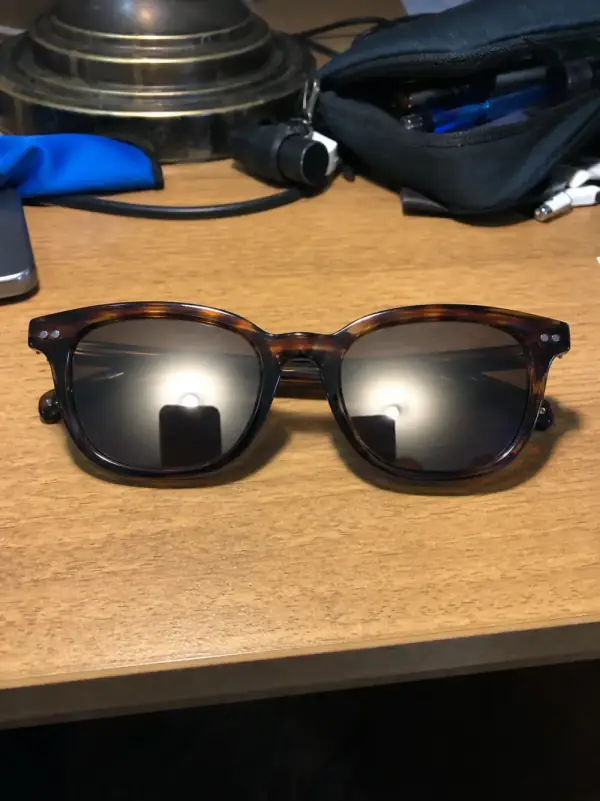
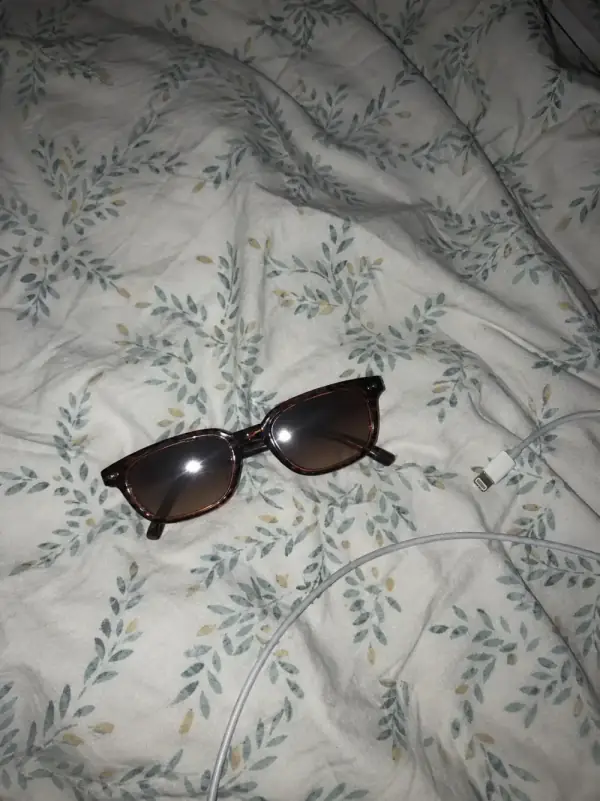
You cannot remove reflections from a curved lens, you can only choose them. Make the lens reflect something plain and white, and keep the phone and you out of it: shoot from slightly to one side or slightly above, then straighten the image afterwards. If a dark shape still sits in the lens, look at what is behind the camera and cover it with white.
Works well
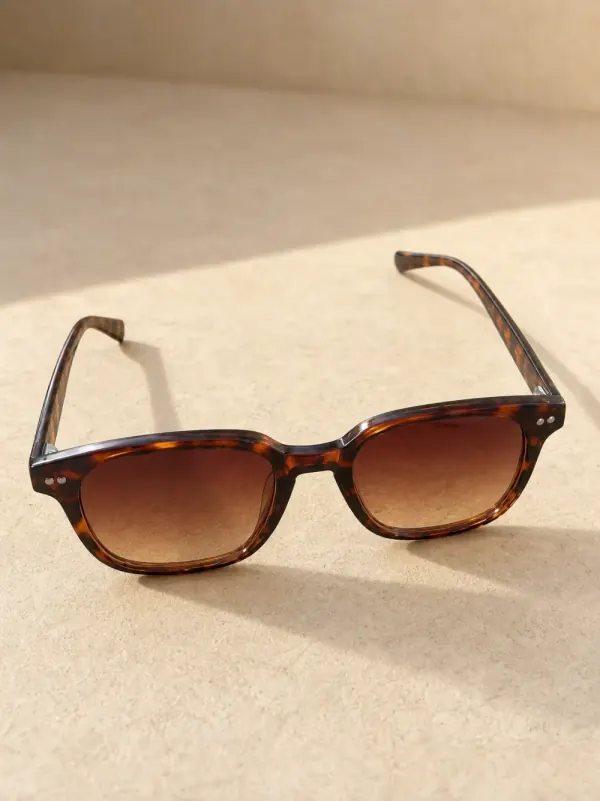
Avoid
Optical frames, mirrored and polarized lenses
Optical frames with clear demo lenses are the opposite problem: the lenses show whatever is behind them. Use a plain, light background with nothing on it, so the paper seen through the lens matches the paper around it. Thin metal frames almost vanish against white; put them on light grey or a warm beige instead, and focus on the bridge rather than the centre of the picture.
Mirrored lenses reflect everything, including the room behind you. Build a small white tent around the pair, or hang a white sheet behind the camera, and accept that the mirror will look bright and plain. Show the true colour of the coating in a separate close-up at an angle.
Polarized lenses can show rainbow patterns or dark patches when you photograph them against a screen or through a window. Shoot them against paper, not a monitor, and say in the listing that the lenses are polarized; the photo cannot prove it.
Photographing glasses on your own face
A worn photo answers the shape question better than any measurement, and your own face is free. Stand facing a window with the light slightly to one side, put the phone on a tripod at eye level and use the timer. Tilt your chin down a little: that moves the reflection of the window off the lenses and onto the frame.
Keep the phone at least an arm's length away and use the 2x lens. A selfie at close range widens the nose and shrinks the frame, so the glasses look smaller than they are. Wear a plain top, tie long hair back for the side view and take a front and a three-quarter photo of every pair.
The weak point is consistency. Your face, your hair and your light change from pair to pair and day to day, and some buyers do not want to see the seller in every listing. That is where a model helps.
No face to shoot? Put the sunglasses on a model
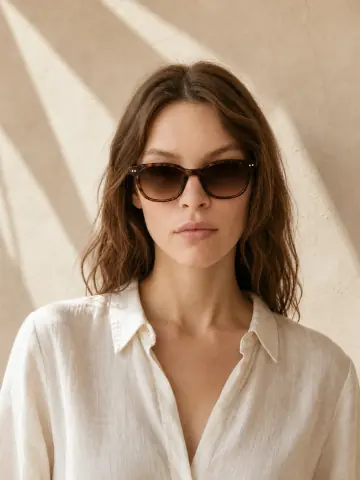
Start from the product photo you already took. Upload it to eyewear on model AI and Garmo puts the same pair on a model: a front portrait, a three-quarter view that shows the arms, and a clean product shot, in about a minute. You choose from 42 ready models (22 women and 20 men), so the same frame can be shown on two different faces if it is a unisex style.
Garmo keeps the frame shape, colour and lens tint from your photo. Acetate patterns such as tortoiseshell can shift a little, so compare the pattern at full size, check the hinges and nose pads, and render again if a detail is off. The worn photo shows the style, not the size: keep the numbers from the inside of the arm in the listing.
Two edits help eyewear in particular. The AI background changer moves the product shot from your table to a beach terrace or a plain studio wall, and for a marketplace main image the free product background remover gives you a white background in the browser. Sunglasses are often sold with watches on men's and unisex pages; our guide on how to photograph watches uses the same window setup.
From one phone photo to sunglasses on a face
Each set below started from one ordinary phone photo of the glasses on a table, the kind this guide teaches you to improve. The worn and product frames come from that single photo.
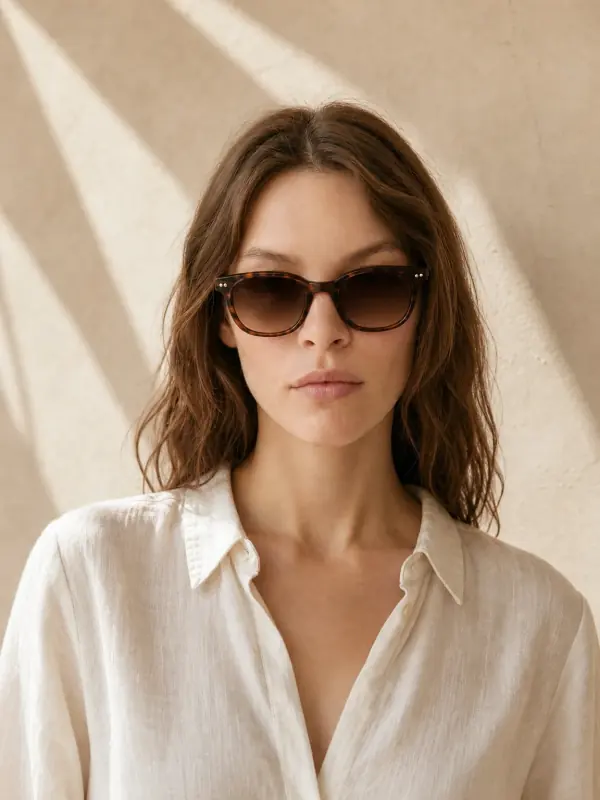
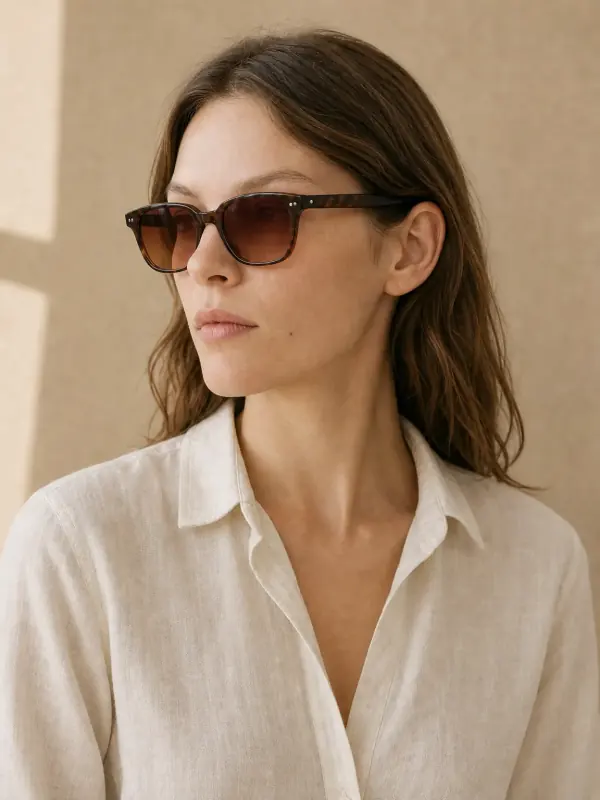
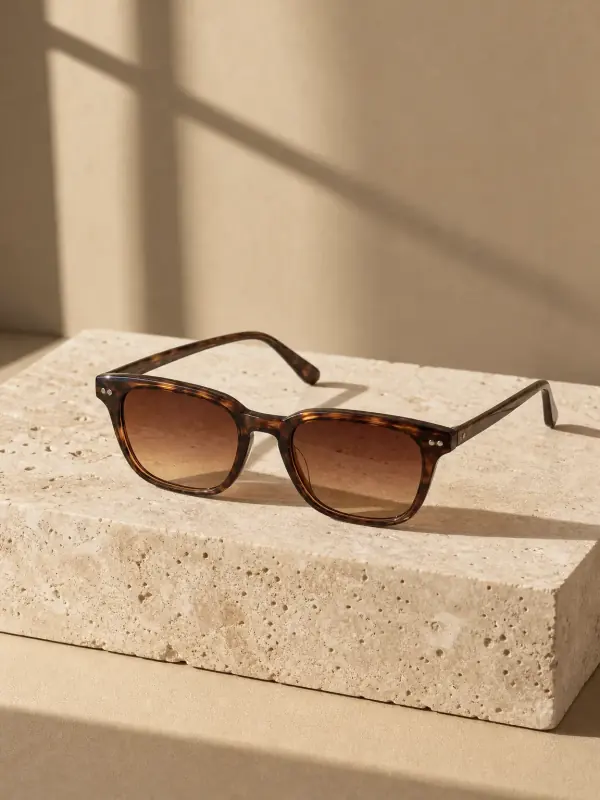
Tortoiseshell sunglasses
Shot on a kitchen table next to a phone and keys. The results show the front, the arm from three-quarter and the pair on travertine.
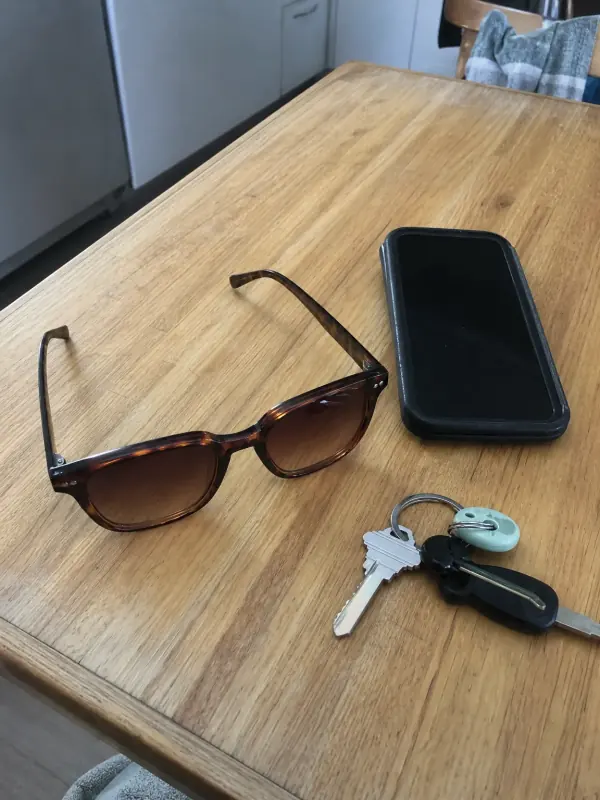 Your photo
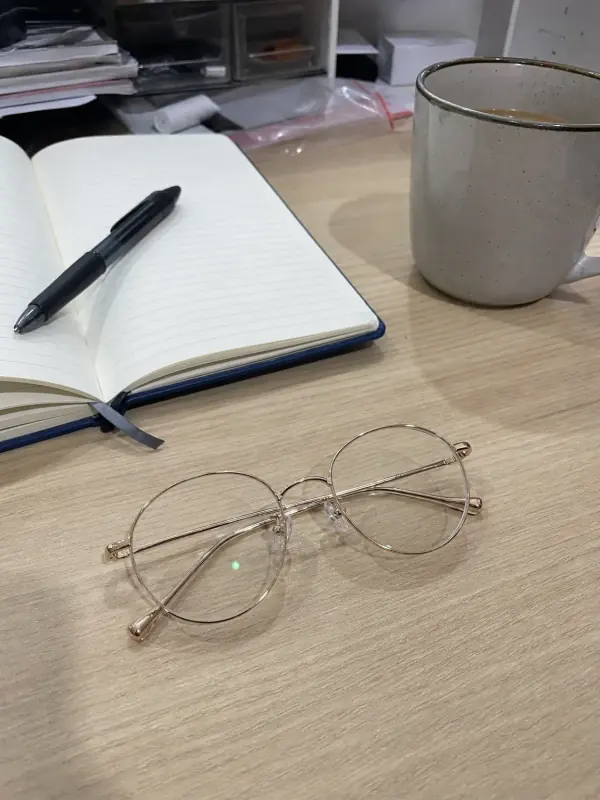
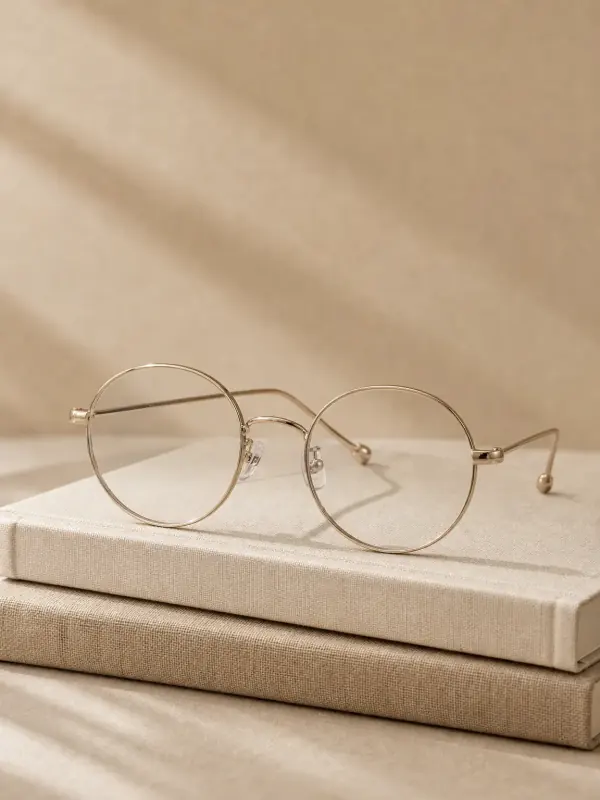
Thin gold optical frames
Folded on an office desk under a ceiling light. On a face, the round shape and the gold finish read at once.
 Your photo

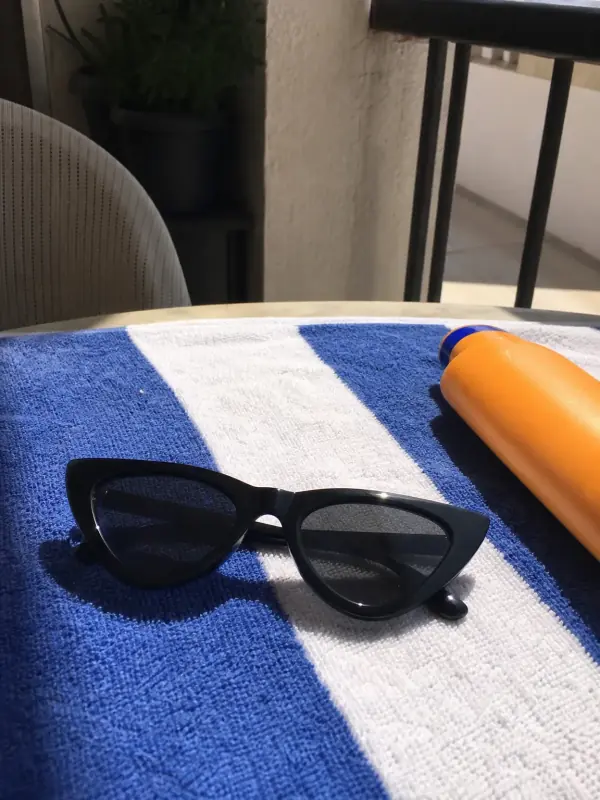
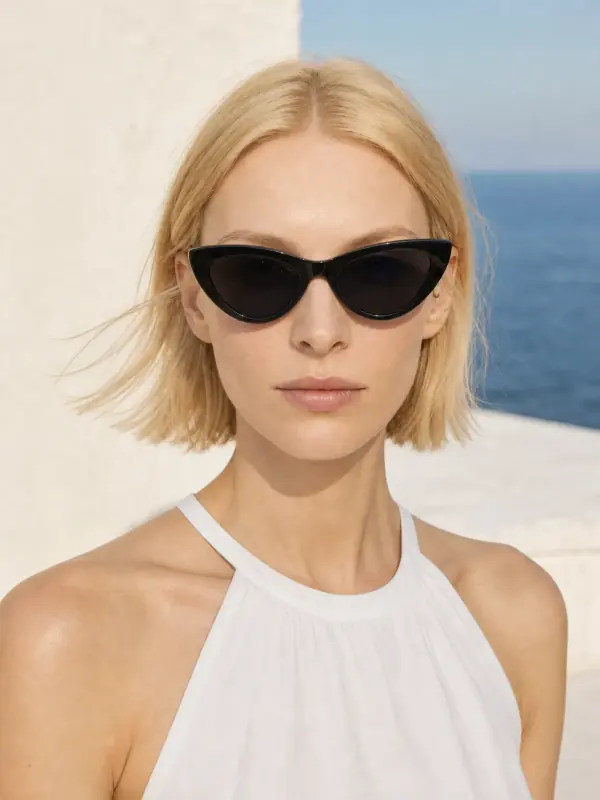
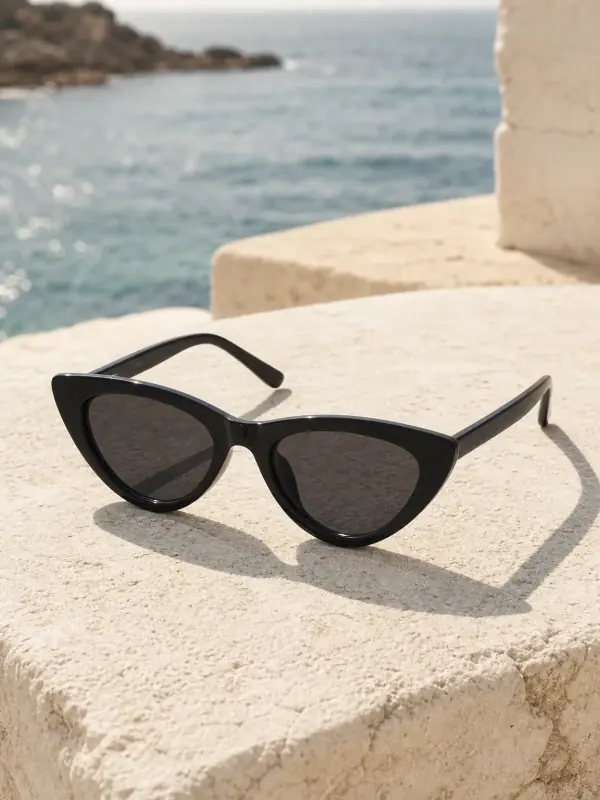
Black cat-eye sunglasses
Left on a striped beach towel. The results put the pair where it will be worn: a terrace above the sea.
 Your photo
Questions about photographing sunglasses
How do you photograph sunglasses without reflection?
You make the lenses reflect something plain. Turn off ceiling lights, light the pair from a window and stand a white board where the lenses can see it. Shoot from slightly to one side so the phone is not in the lens, and cover anything dark behind you.
What is the best background for sunglasses photos?
Plain white or light grey paper for the main image; it is the safest choice for a marketplace main photo. Warm stone, wood or linen work for the extra photos. Avoid glossy surfaces; they add a second set of reflections under the frame.
How do you make sunglasses stand up for a photo?
Open the arms fully and stand the pair on them, with the front resting on a small block, coaster or wrapped matchbox. A hidden pea of poster putty under each arm tip stops it sliding. Clear acrylic eyewear stands work too.
Should I show the frame size in the photos?
Yes, photograph the inside of the arm where the size is printed, and write the lens width, bridge and arm length in the description. A worn photo shows the style, but only the numbers tell a buyer whether the pair will fit.
Can I sell sunglasses with AI model photos?
Yes, as long as the glasses in the image are the real product. Check the frame, tint and hinges against the pair at full size before you publish, and keep at least one plain product photo of the real item in the listing.
Tools for eyewear photos
- Eyewear on model AISunglasses and optical frames on a model's face, with a side view and a product shot.
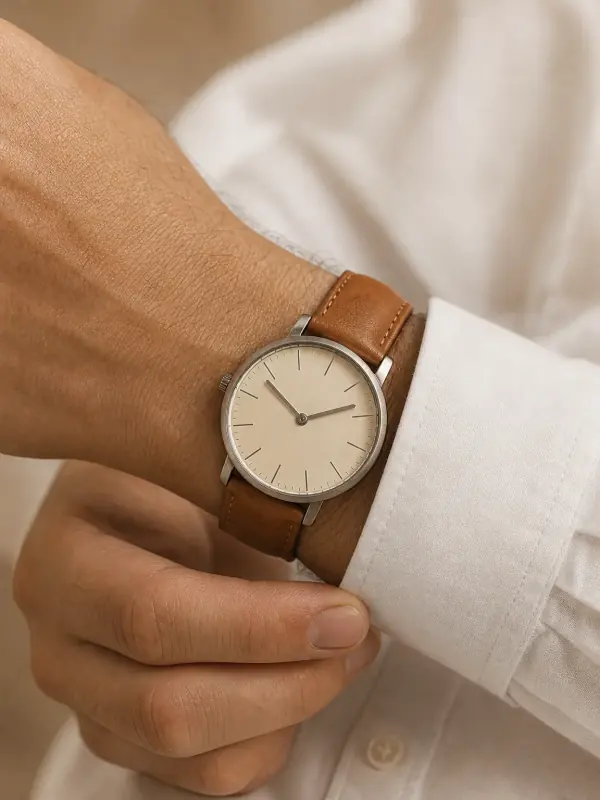
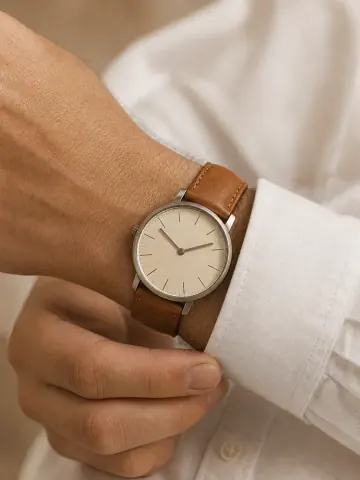
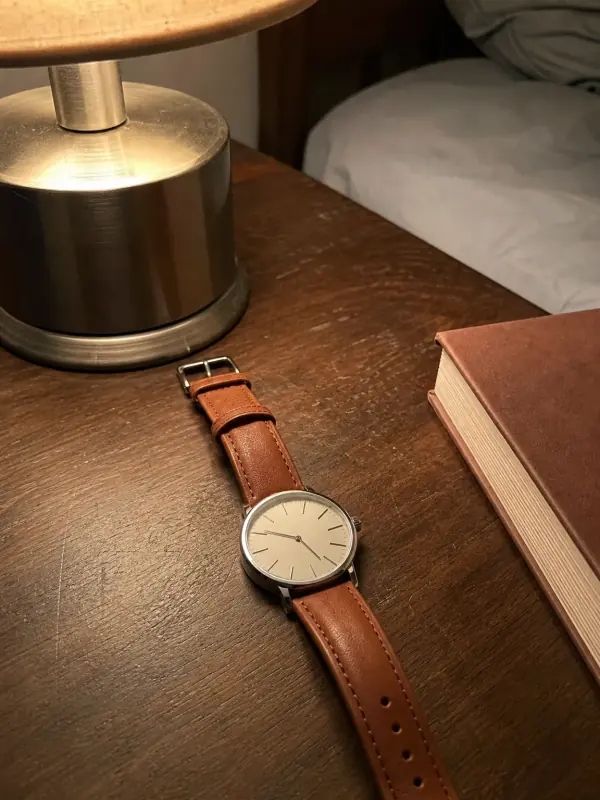 Watch on wrist AIDress, mesh and field watches on a model's wrist, with a portrait and a product shot.

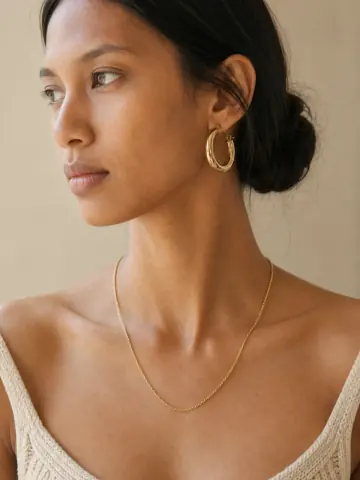
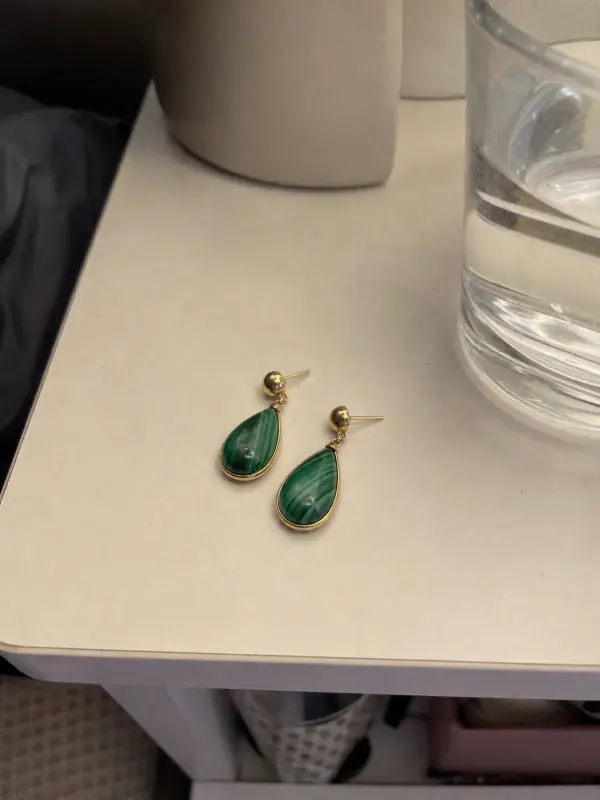 Earrings on model AIDrops, hoops and studs worn by a model, in portraits and close ear shots, plus a clean product photo of the pair.
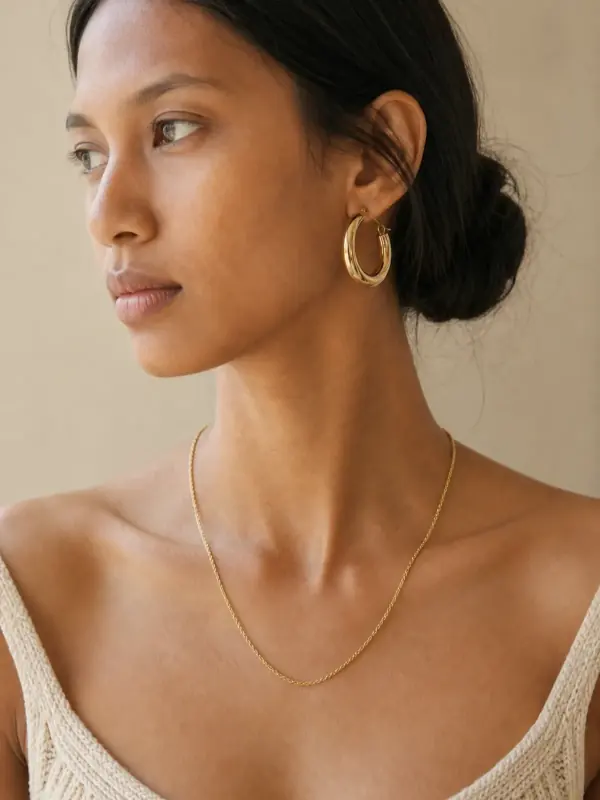
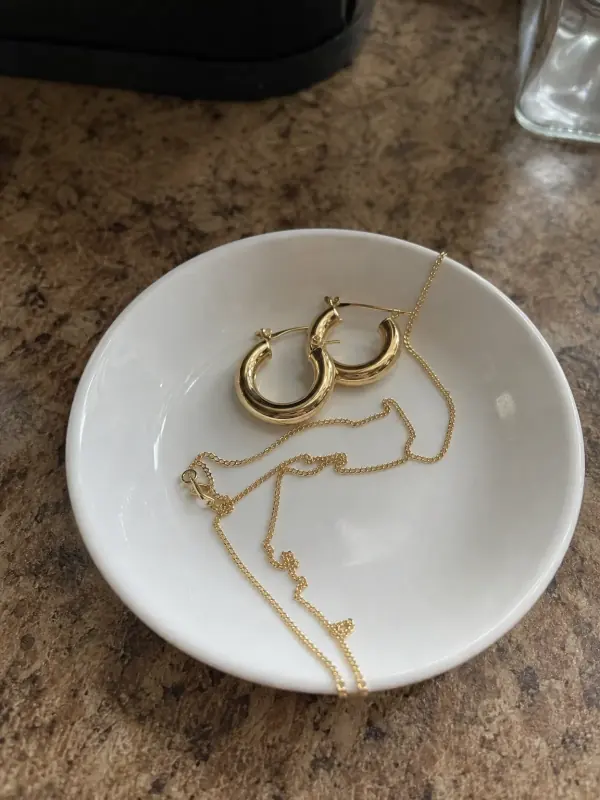 Jewelry on model AIUpload a photo of a necklace, earrings, ring, bracelet or anklet and get it worn by an AI model, plus product and macro shots.
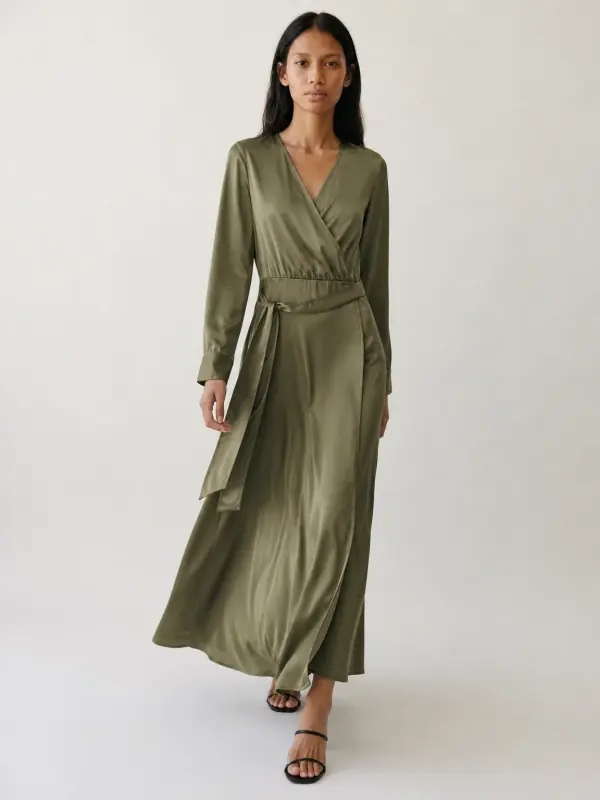
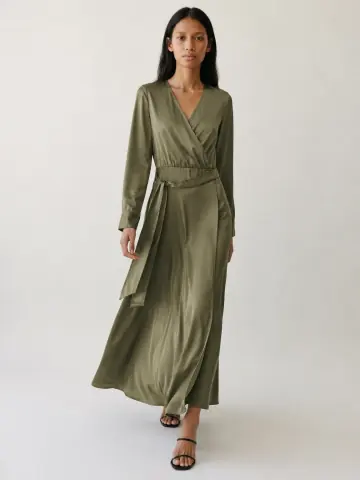
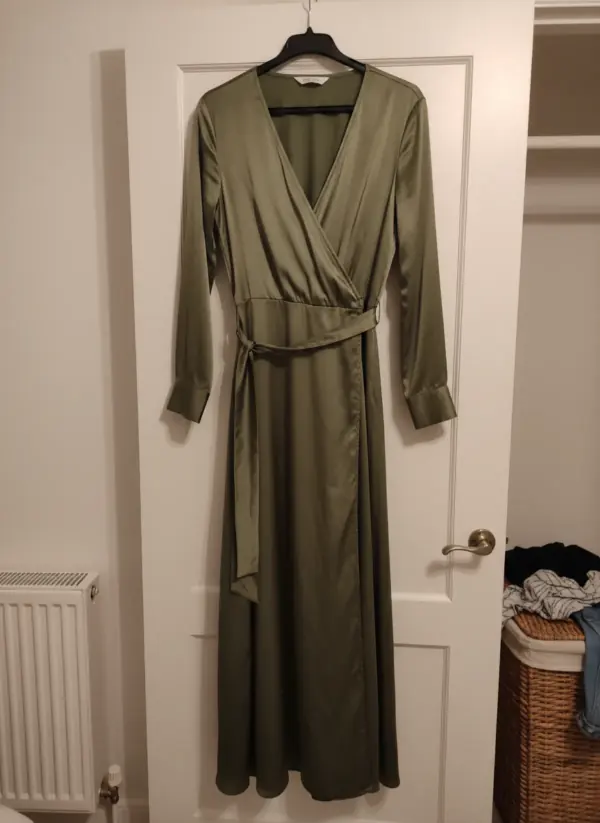 AI fashion model generatorChoose from 42 AI fashion models, or create your own from photos, and keep the same face across every product you sell.
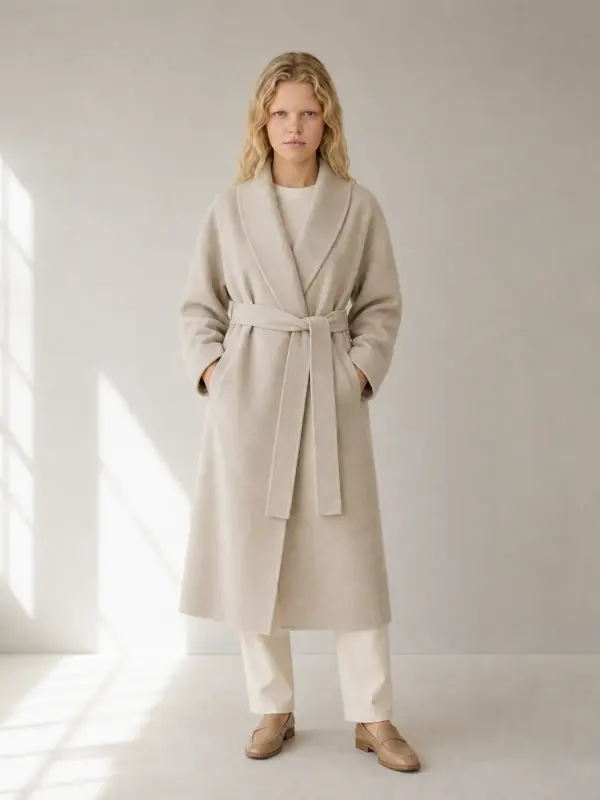
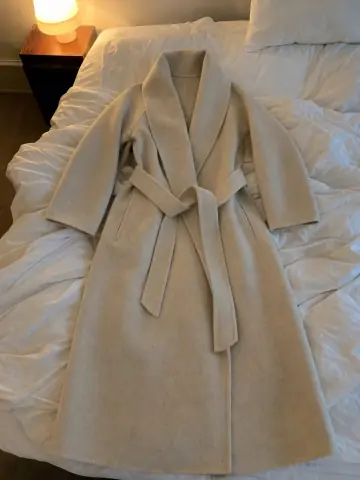
 Flat lay to modelLay the garment flat, take one phone photo and get it worn by an AI model from three angles.