What buyers look for in a jacket listing
Outerwear buyers check four things before anything else: the shape, the length, the condition of the outside and the inside, and the size. A coat lying crumpled on a sofa hides all four. Shoulders collapse, the hem folds under and the lining, often the first thing to wear out, never appears at all.
So when you plan how to take pictures of jackets to sell, build the photos around those questions. A straight front on a hanger shows the shape and the length, the open shot shows the lining and the construction, the label and close-ups show the fabric and the wear, and a measured description answers the size. A worn photo then shows what none of these can: where the shoulder seam sits and how the coat moves.
The same photos work on eBay, Vinted, Depop or your own shop. For a full clothing listing checklist, see how to photograph clothes for eBay.
Hanger or flat lay: the setup for jackets and coats
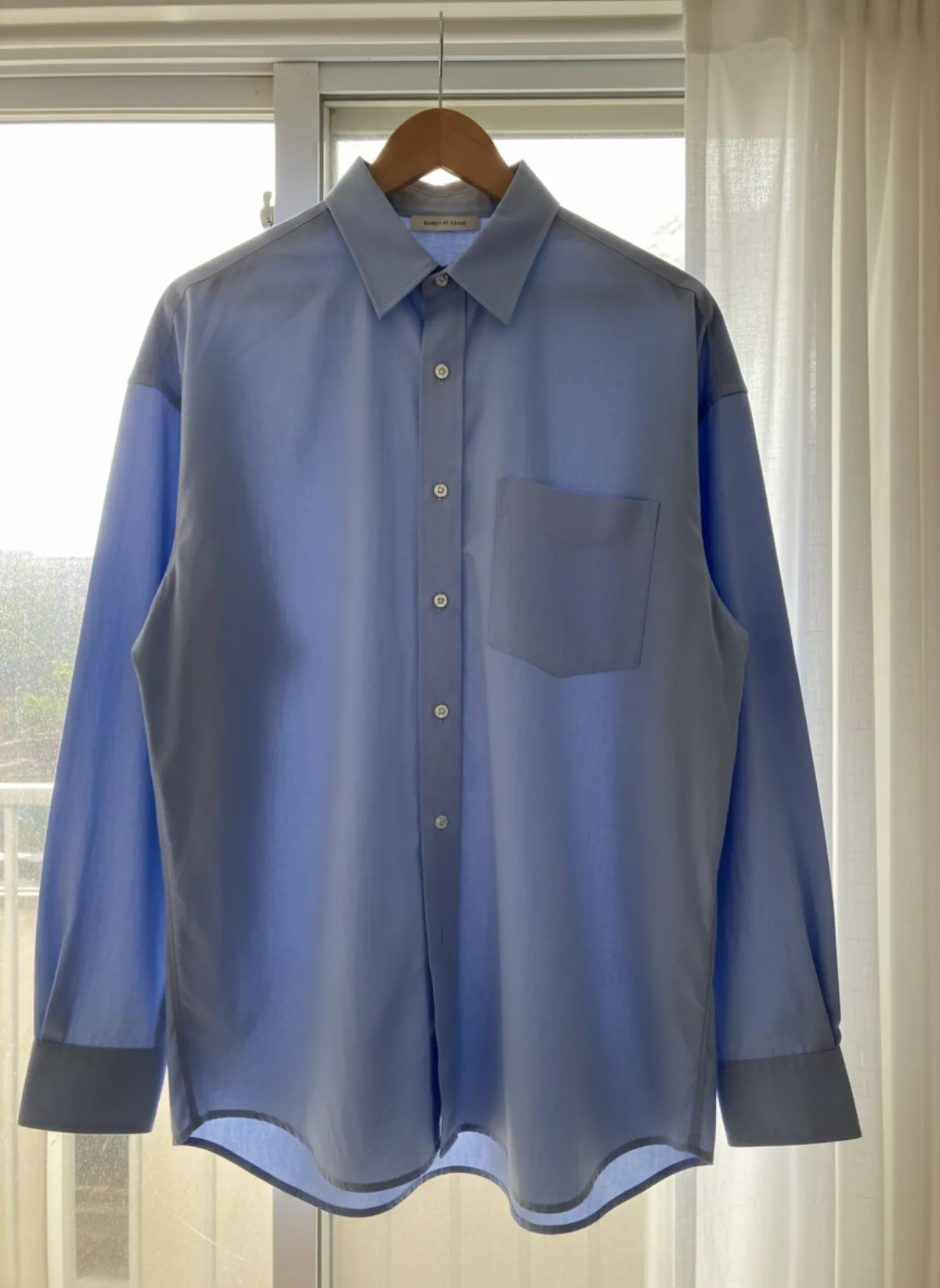
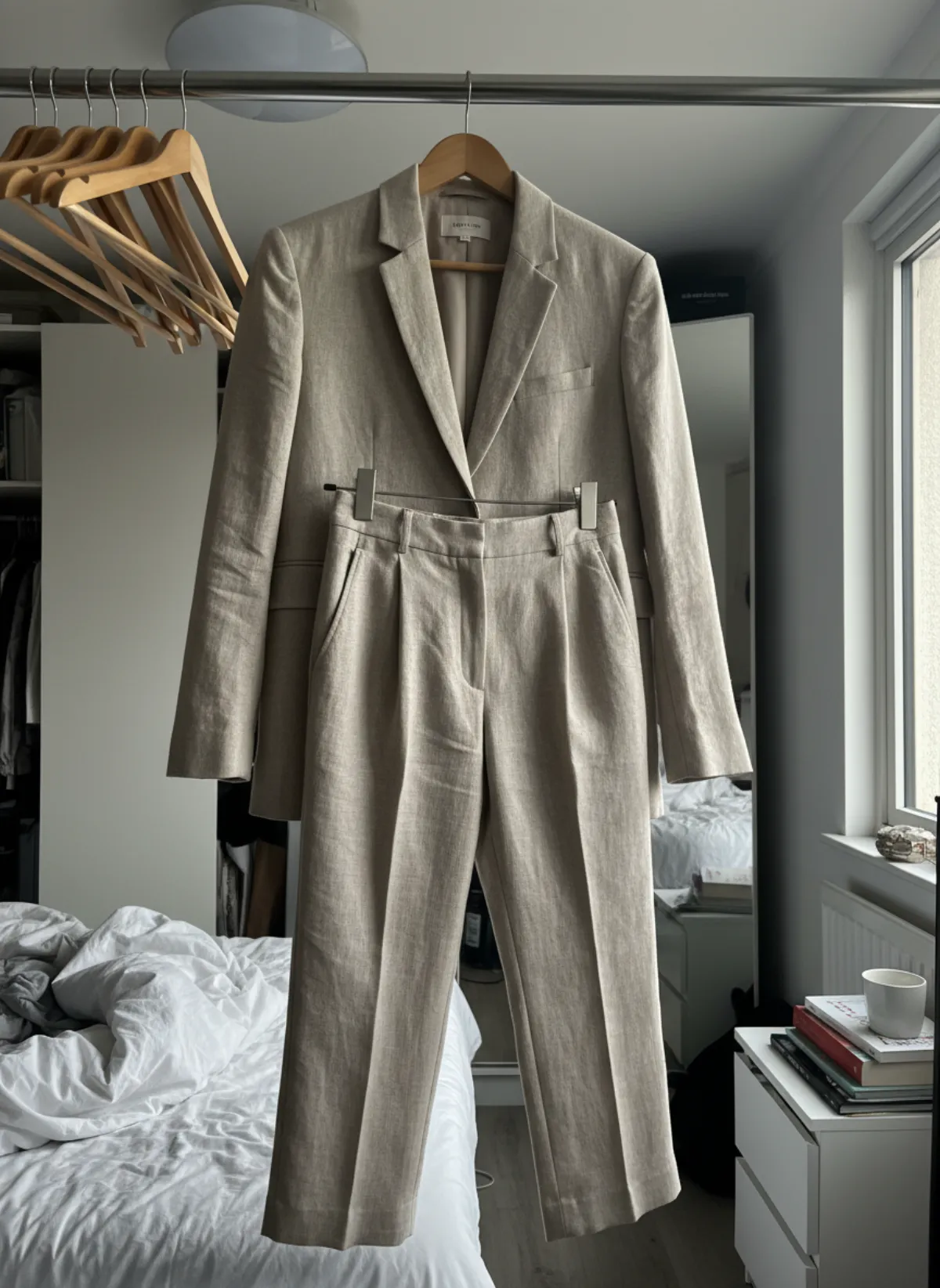
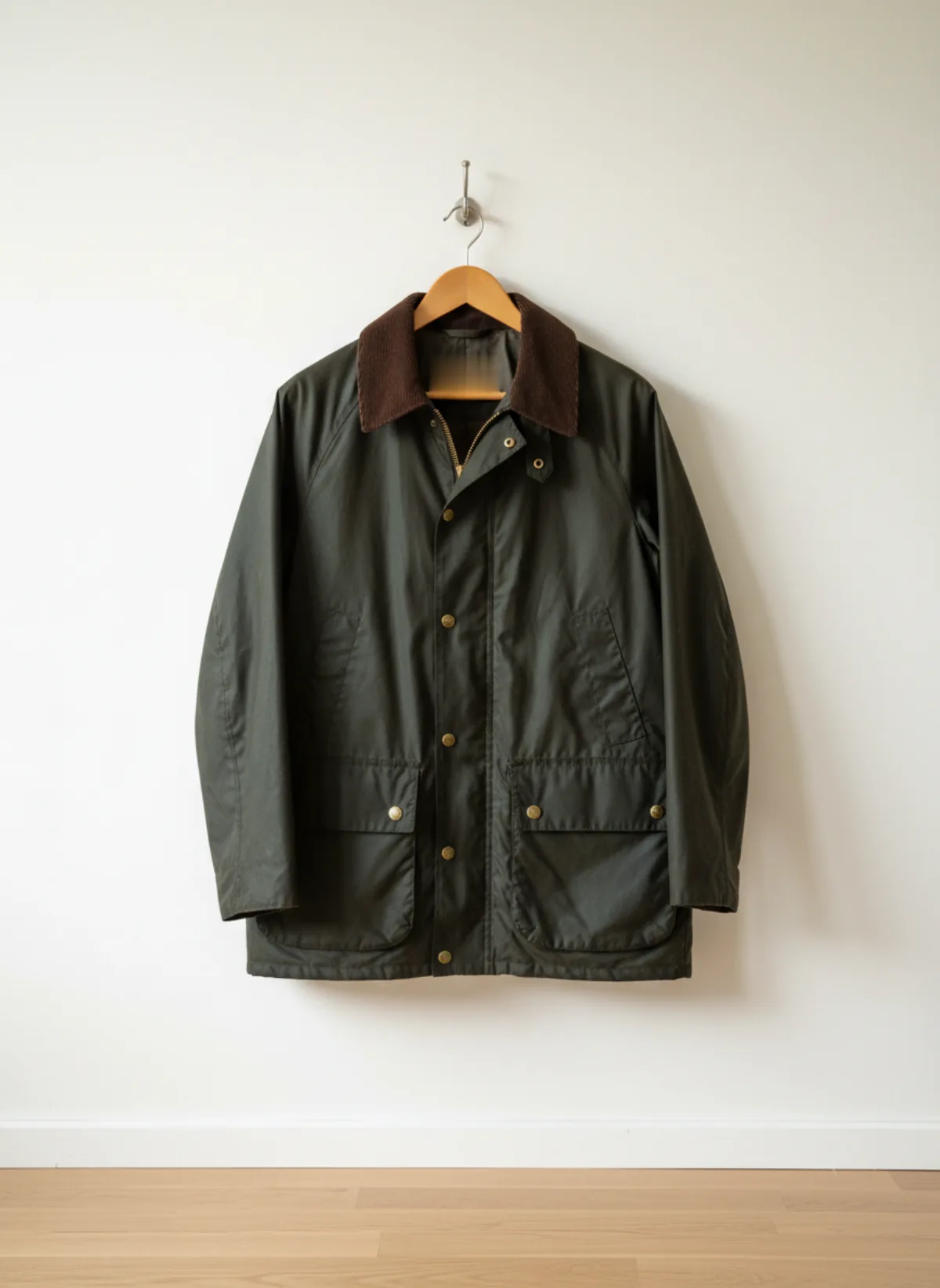
The first decision in how to take pictures of jackets to sell is hanger or flat. Most jackets look better on a hanger than flat, because their shoulders hold the shape. Use a wide wooden or padded hanger that fills the shoulders, hang it from a single hook or a door frame against a plain light wall, and stand by a window with no direct sun. Do up every button and zip, flatten the collar and let the sleeves hang straight. Shoot from chest height of the jacket, straight on, so the hem does not look shorter than it is.
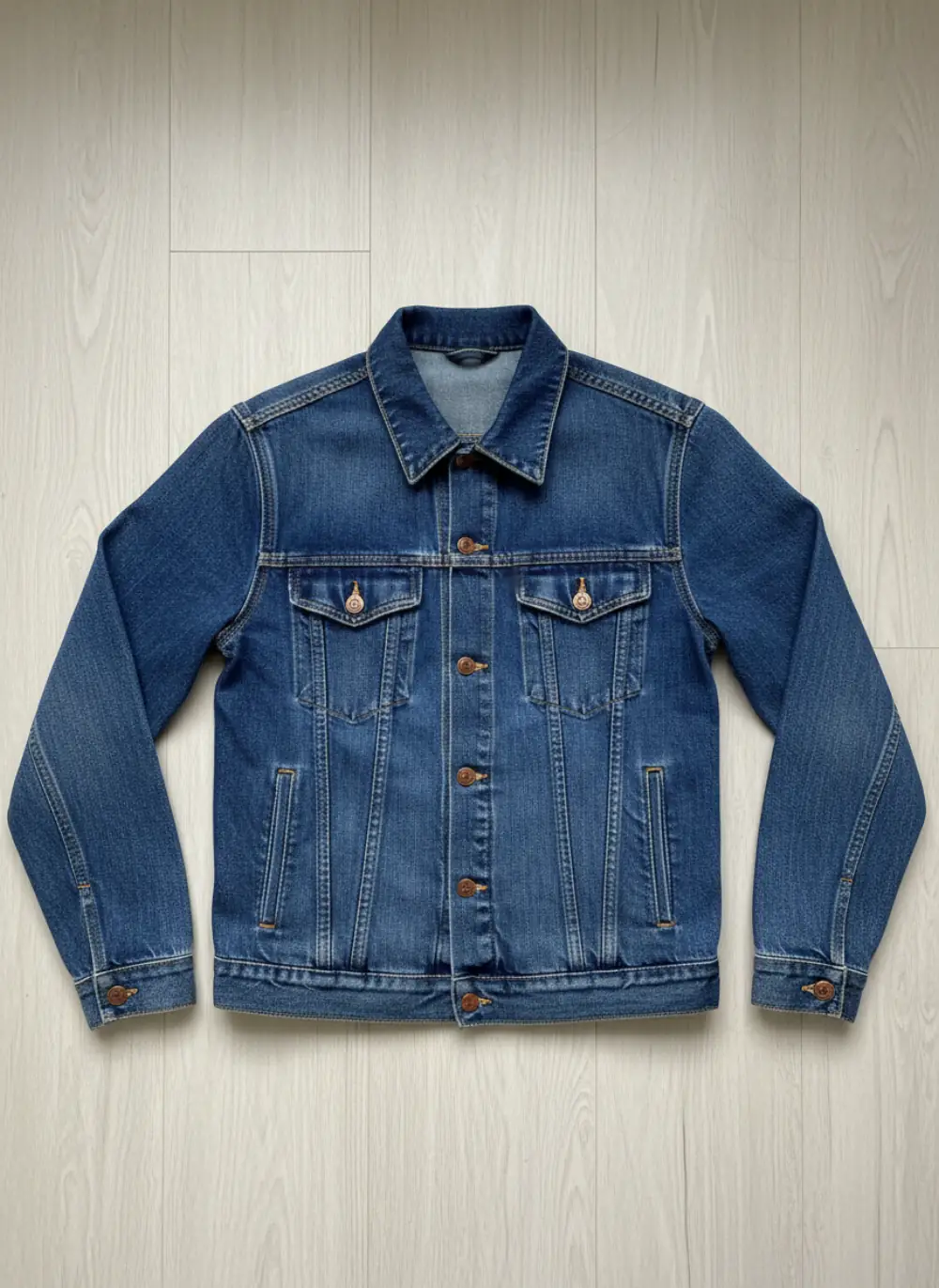
Flat lays suit short and structured jackets, such as denim, bombers and overshirts. Lay the jacket on a clean floor or a large table, close it, fold the collar down and lay the sleeves along the body so the cuffs line up with the hem. Stand on a chair and shoot from directly above. Long coats are hard to lay flat without folds, so keep them on a hanger.
Before you shoot, lint-roll wool, steam out storage creases and empty every pocket. Our guide to photographing clothes on a hanger goes deeper into hangers and backgrounds; for the top-down method, see flat lay photography for clothing.
How to take pictures of jackets to sell: eight shots
Shoot them in the same order for every jacket, so your listings look consistent and buyers always find the same detail in the same slot.
Front, closed
The whole jacket on the hanger or flat, done up. This is the cover photo and shows the shape and length.
Back
Turned around in the same position: back yoke, vents, belt and any print or panel.
Open, with lining
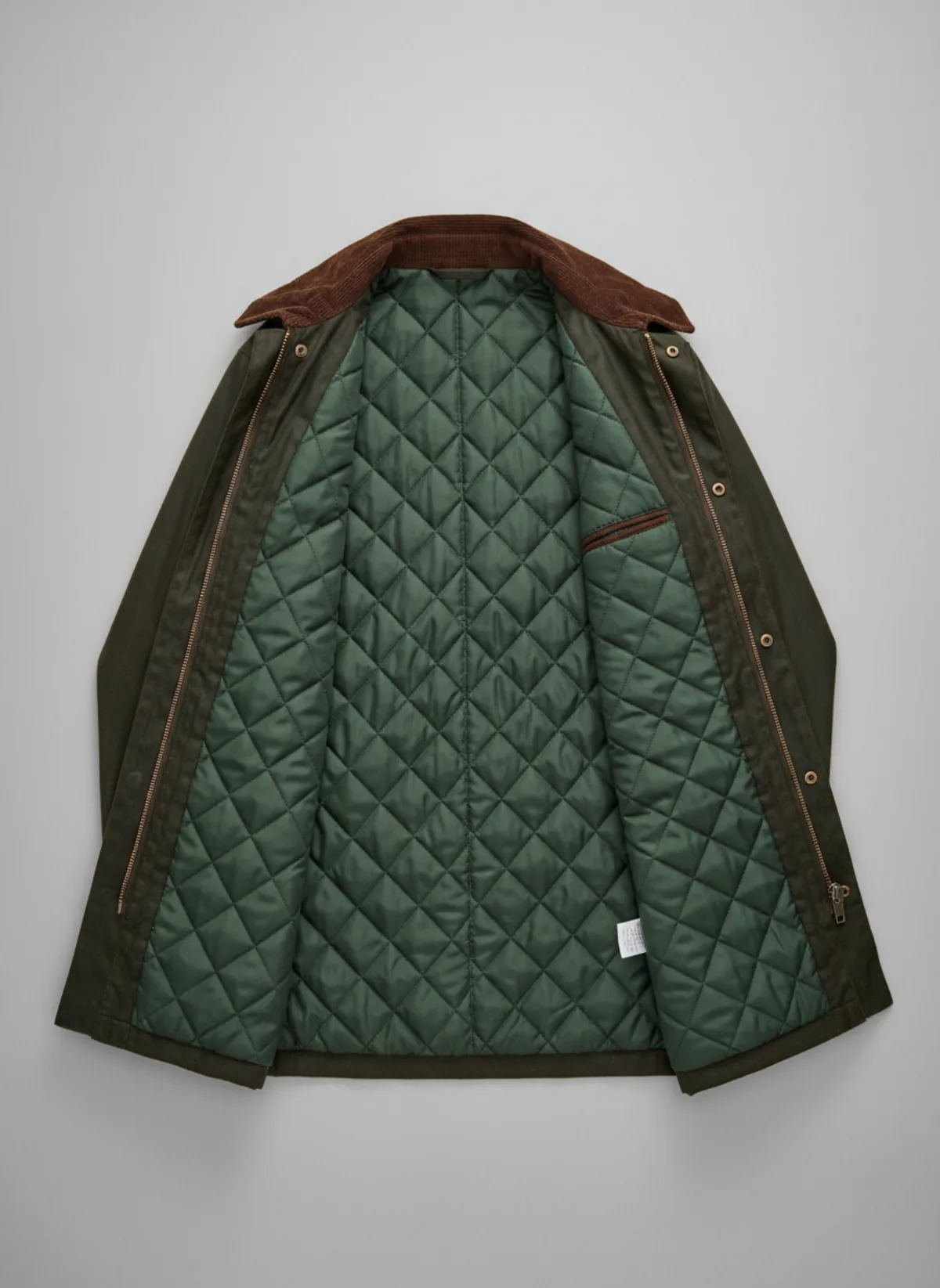
Unzipped with one front folded back, so the lining, inner pockets and construction show.
Collar and labels
The brand, size and fabric labels, sharp enough to read. Buyers search by brand and size.
Hardware
Zips, snaps, buttons and buckles up close. Working zips and original buttons add value.
Cuffs and sleeves
Both cuffs and the elbows, where leather cracks and wool pills first.
Every flaw
Stains, scuffs, a torn lining or a missing button, each in its own photo in the same light.
Worn
On a person or a model, front and three-quarter, so the fit and length are clear.
Inside the jacket: lining, labels and fabric
The inside of a jacket sells it more often than sellers expect. A quilted, silk or printed lining is a feature, and a torn or stained one is something every buyer wants to know before they pay. Unzip the jacket, fold one front back over the hanger or to the side on a flat lay, and take one photo that shows the whole lining, the inner pockets and the inside seams.
Then photograph the labels: the brand label at the neck, the size label and the care label with the fabric content. Shoot them straight on and close enough to read, with focus on the text. "100% wool" or "full-grain leather" on a readable label does more than any adjective in the description.
For down jackets, photograph the fill label too, and for waxed or technical jackets any membrane or care instructions. If labels are cut or faded, say so and add the fabric you know.
Measurements that stop returns
Jacket sizes vary more than almost any other garment, between brands, decades and countries. Lay the jacket flat, closed, and measure four things: chest from armpit to armpit, length from the base of the collar to the hem at the back, sleeve from the shoulder seam to the cuff, and shoulder from seam to seam. Give each number in centimetres and inches.
Photograph the tape on the chest and the length if you sell second-hand, because buyers trust a photo of a tape more than a number. For new stock, one set of measurements per size in a size chart is enough.
Write the fit in words too: cropped, regular, oversized, longline. A buyer who reads "boxy fit, hits at the hip" and sees the same on a worn photo has no reason to send it back.
Leather, denim, puffers and wool coats
Leather jackets are black or dark brown and lose detail fast. Use side light, not front light, so the grain, the zips and the creases at the elbows show; how to photograph black clothing explains the method. Photograph the hardware close and be honest about scuffs.
Denim jackets are easiest flat, buttoned, with the sleeves along the body. Shoot in daylight, because indigo shifts colour under warm bulbs. Puffers need air: shake them out and let them recover for an hour before you shoot, so the baffles look full, and photograph the hood both on and off if it detaches.
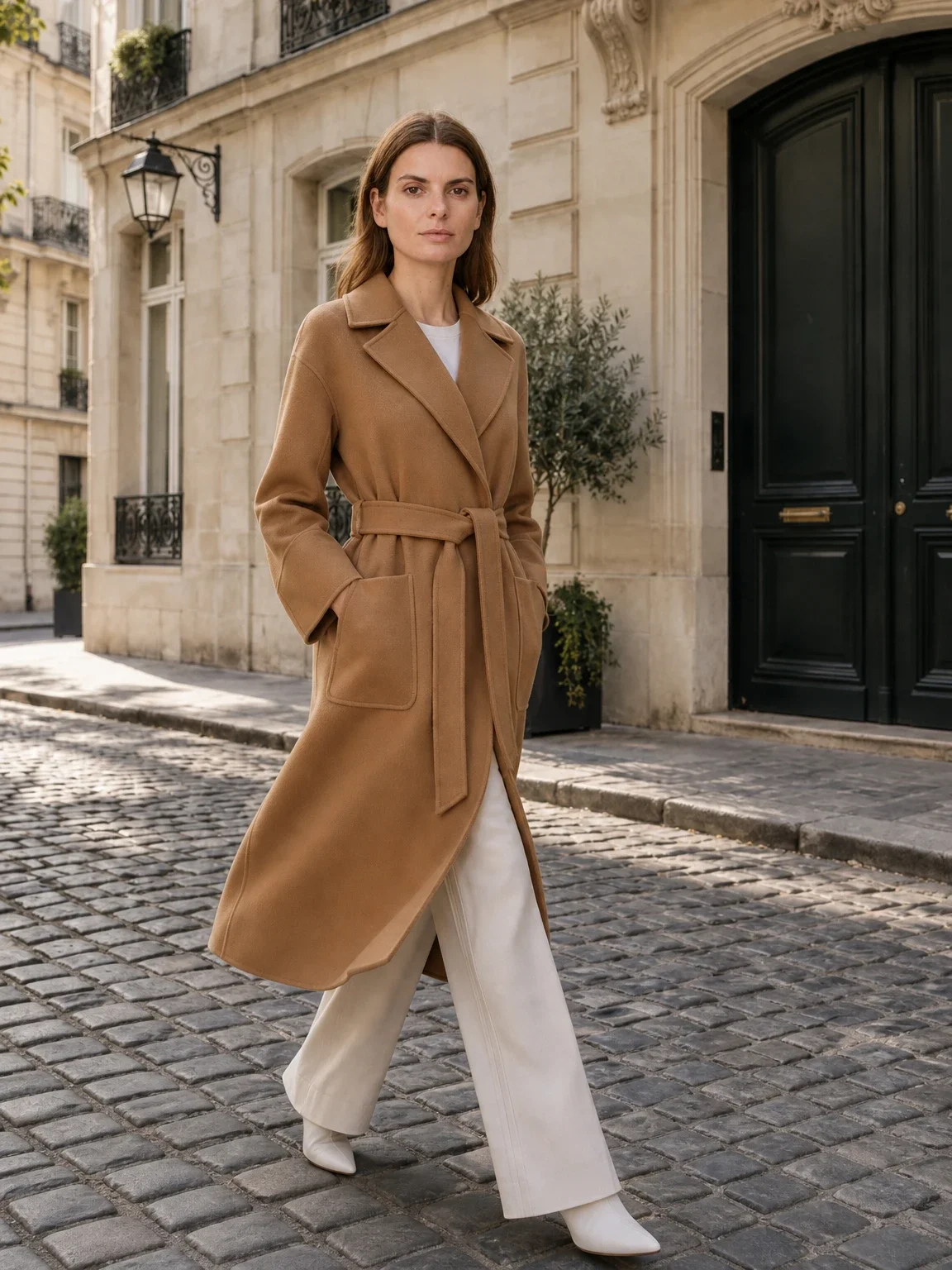
Wool coats and trench coats are long and soft, so keep them on a hanger and tie the belt the way it is worn. Lint-roll the shoulders, check for moth holes against the light, and photograph the lining and buttons up close. Selling boots for the same winter look? See how to photograph boots for sale.
Worn photos without a model
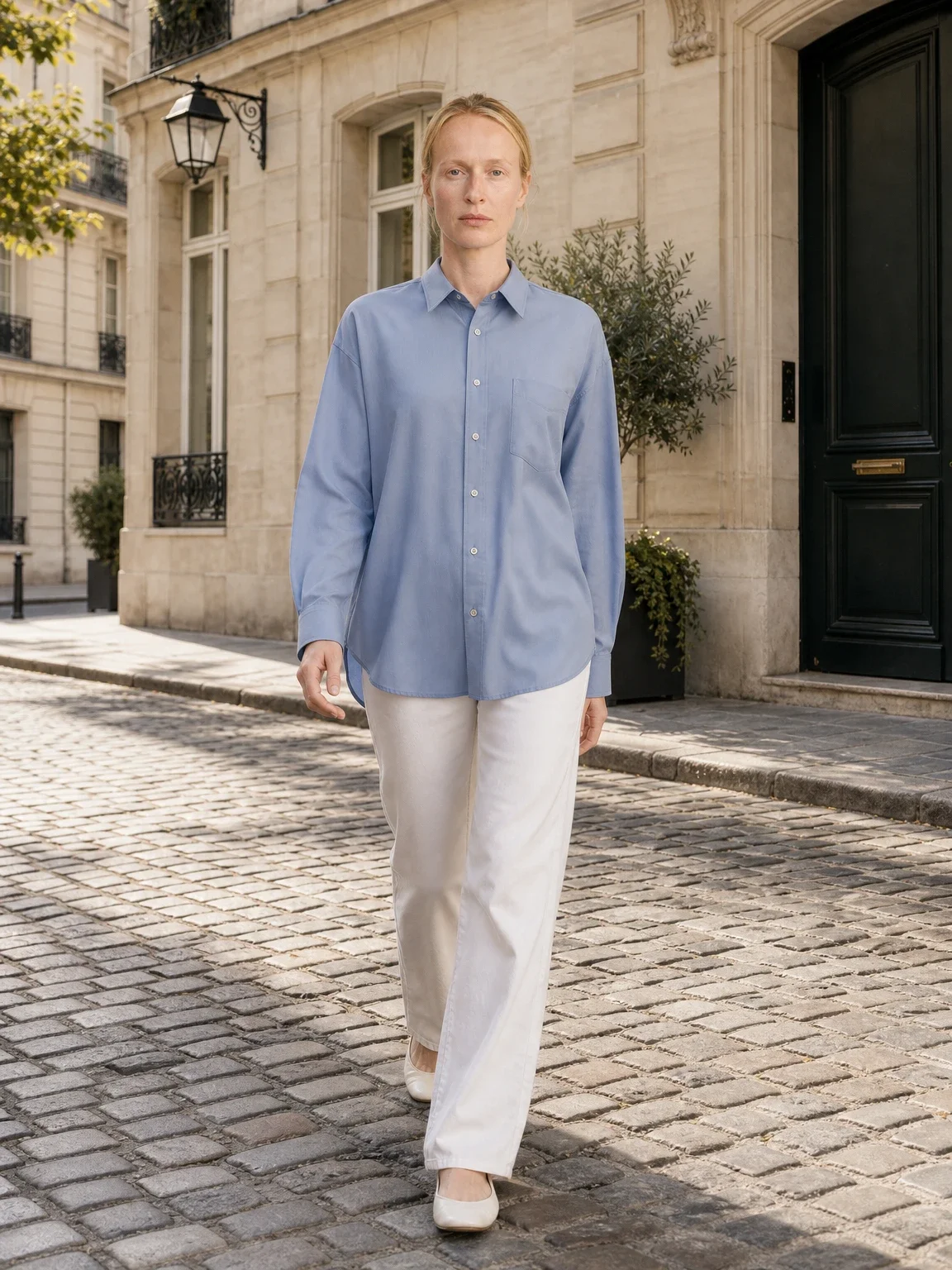
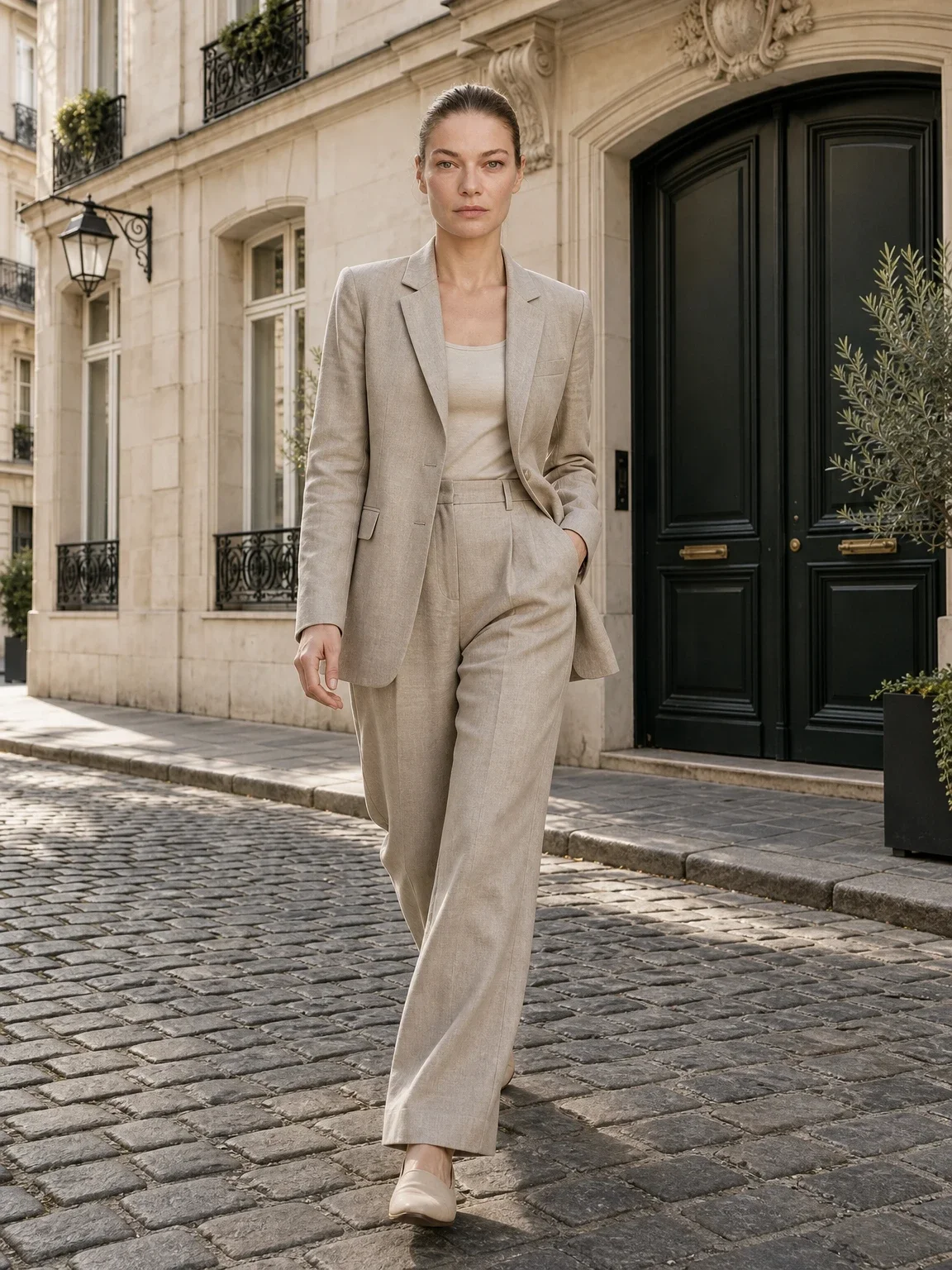
A hanger shows the jacket, but only a worn photo shows where the shoulder seam falls, where the hem stops and how the front hangs open. You can wear it yourself in front of a mirror, but your size may not match, and for twenty coats a week it is a long day. Instead, upload the hanger or flat photo to jacket on model AI. Garmo puts the same jacket on a model over a simple outfit, in front, three-quarter and walking frames, in about a minute.
You choose from 42 ready models (22 women and 20 men), a studio, street or editorial setting and the ratio your shop uses. Garmo keeps the colour, the fabric, the collar, the closures and the length from your photo. Small logos, printed linings and fine hardware are where any image tool can slip, so check them and render again if needed. Keep the measurements in the listing, because the model photo shows the style, not your exact size.
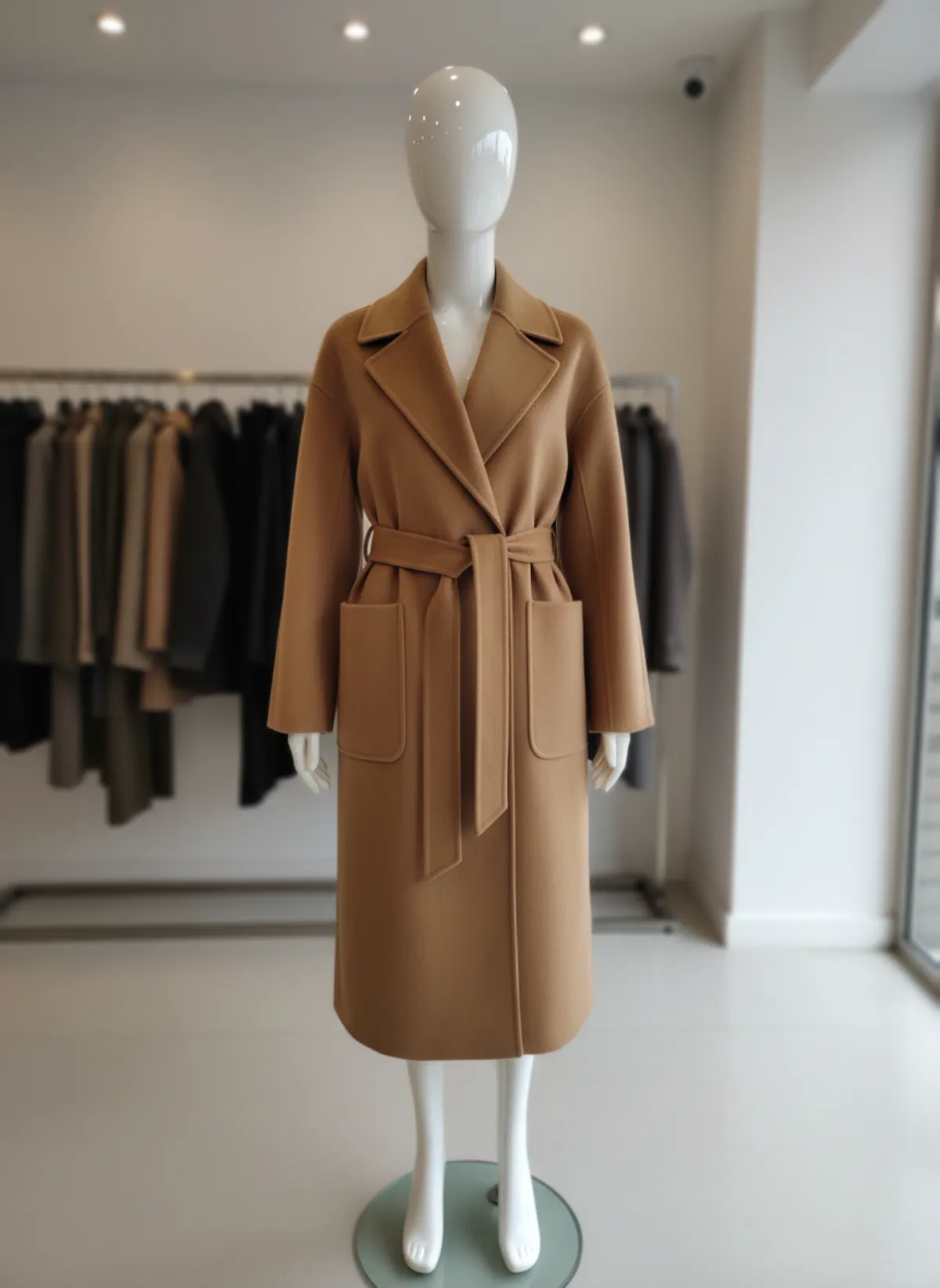
If your coats already hang on a hook or a rail, garment to model AI starts from exactly that photo. If you dress them on a shop mannequin, mannequin to model AI turns the mannequin into a real-looking person.
From a hook or a bedspread to a jacket on a model
Each jacket was photographed with a phone where it was: on a bed, on a hallway hook. The first set is Garmo's own shoot.
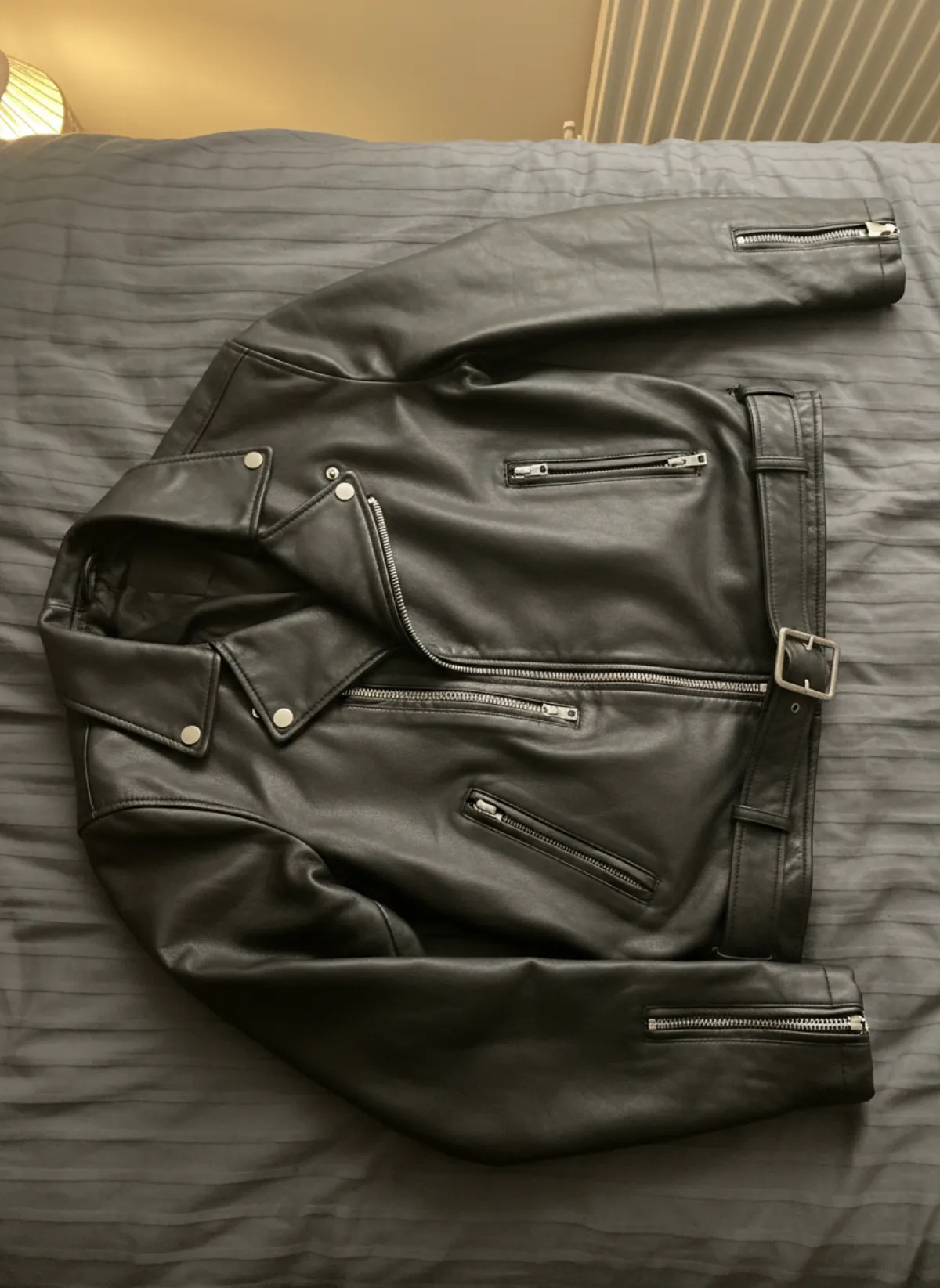
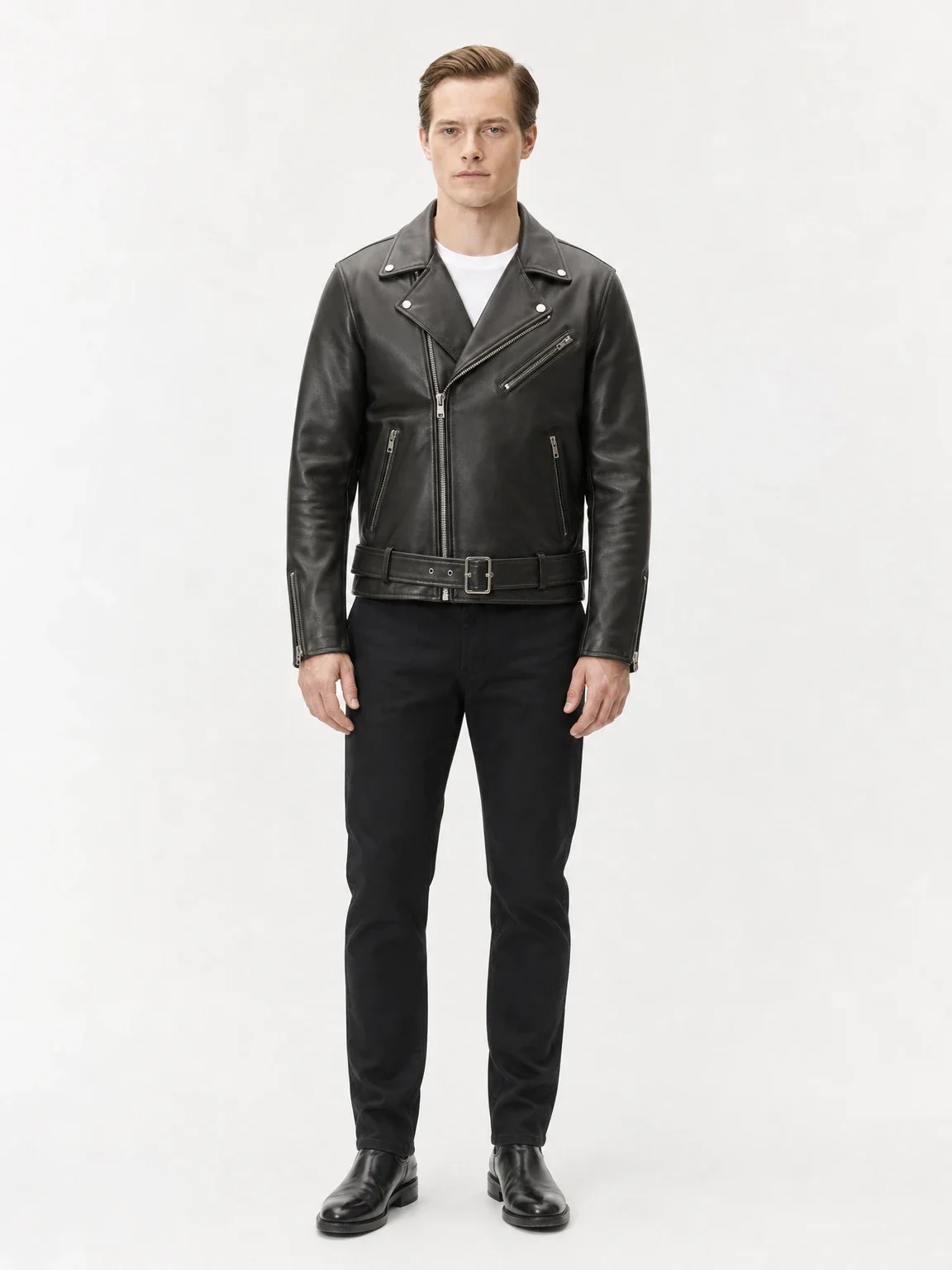
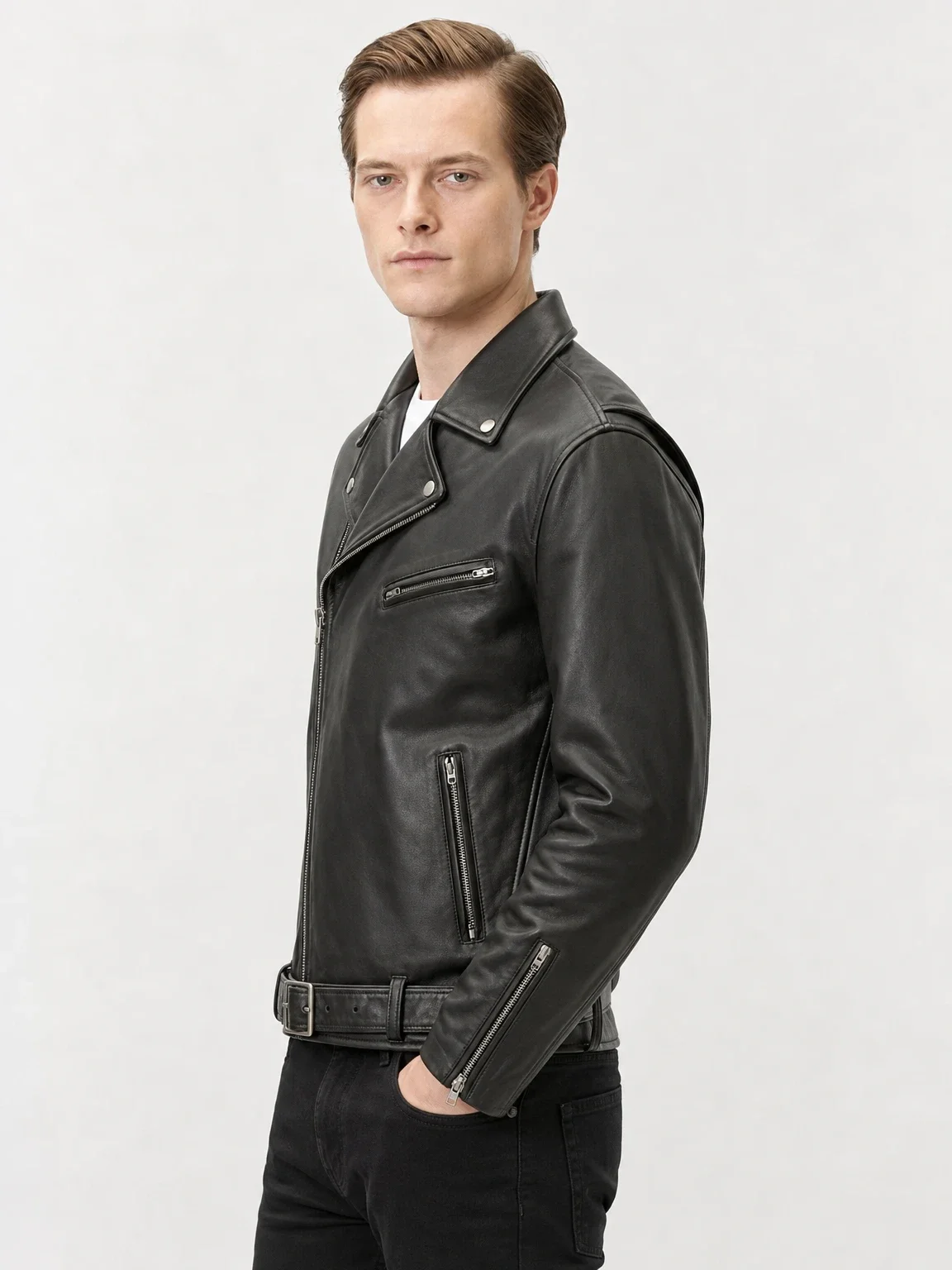
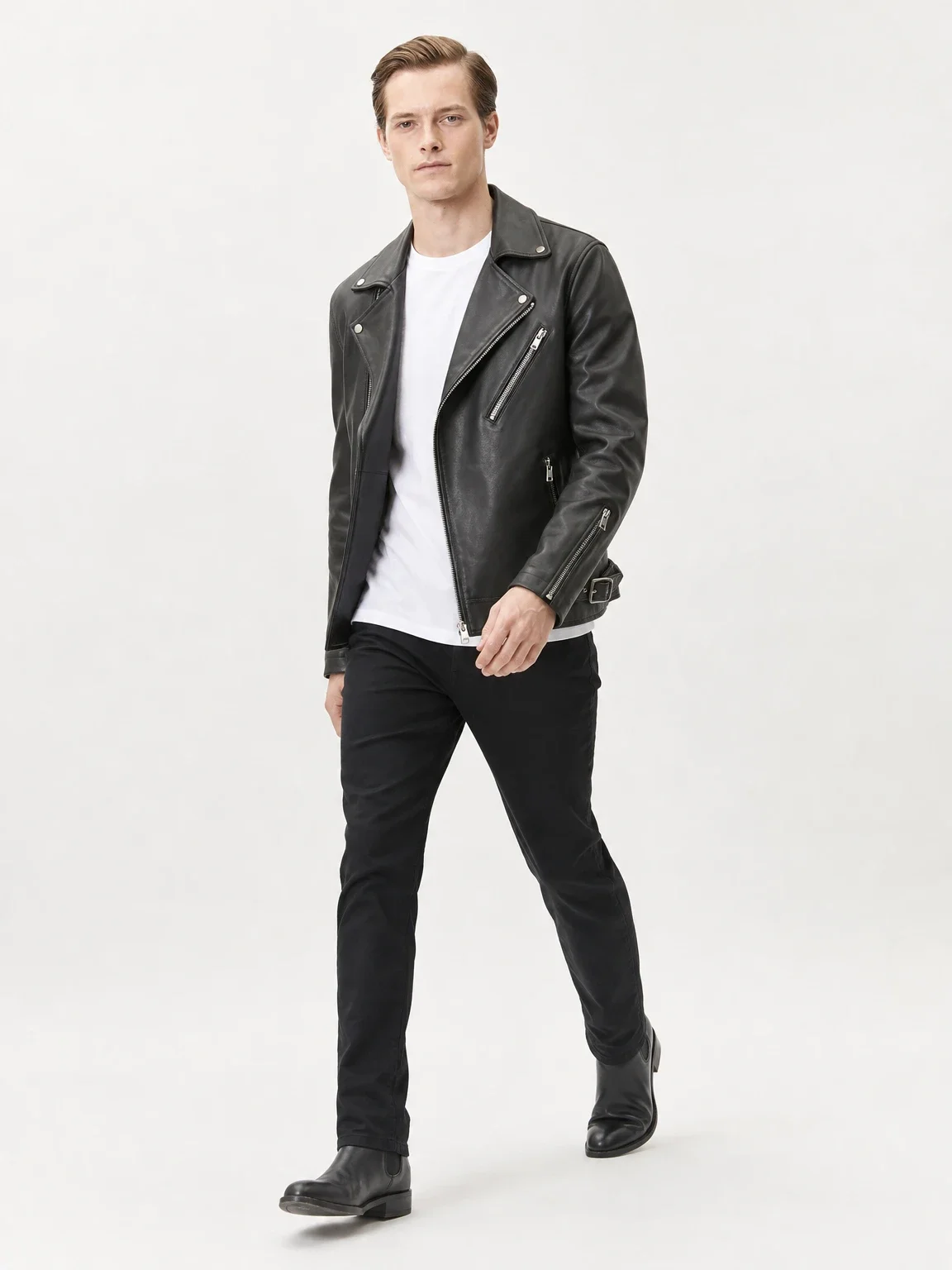
A leather biker jacket on Niko
Shot flat on a grey bedspread. On the model, the zips, the belted hem and the length at the hip are clear in three frames.
 Your photo
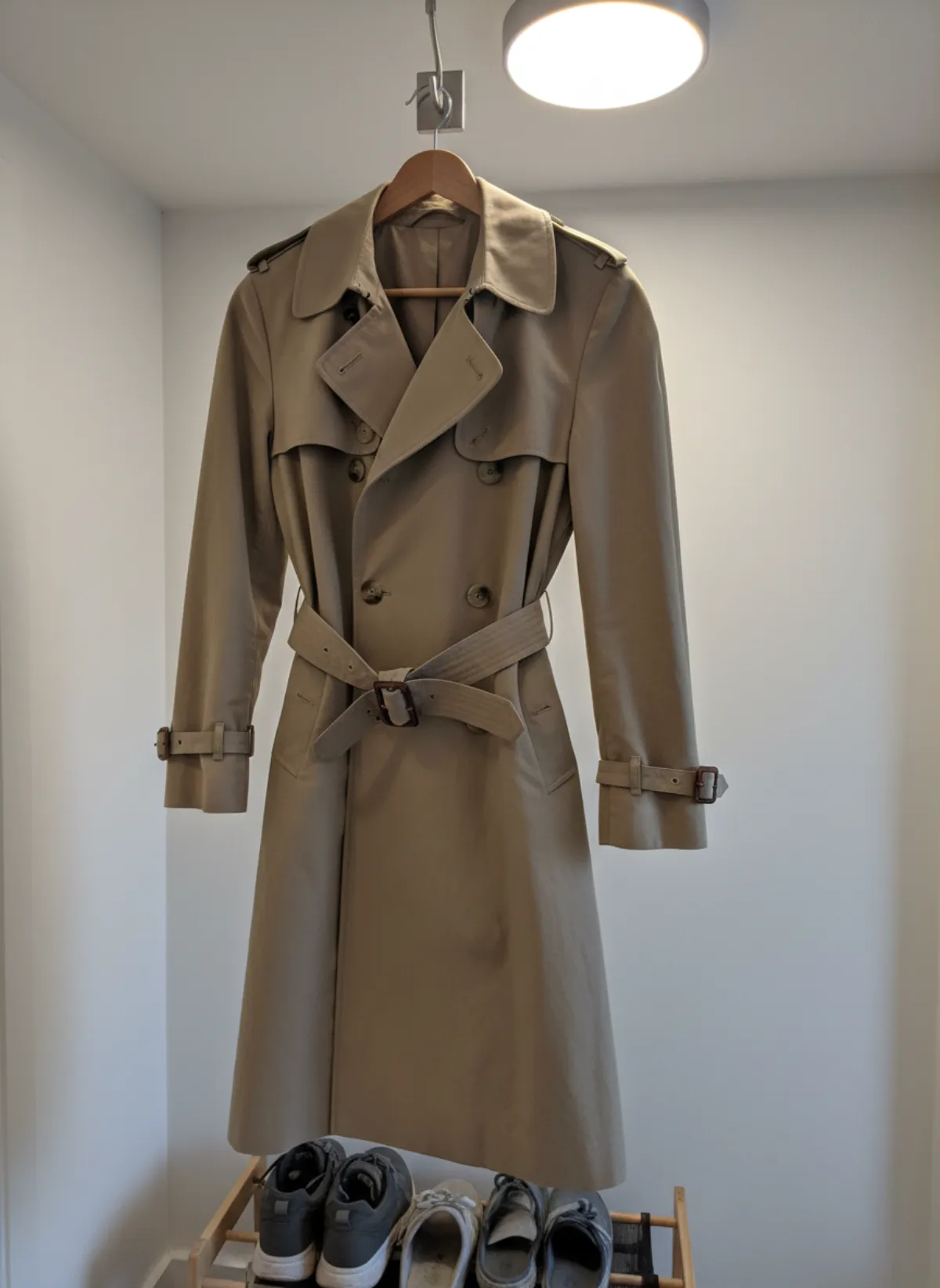
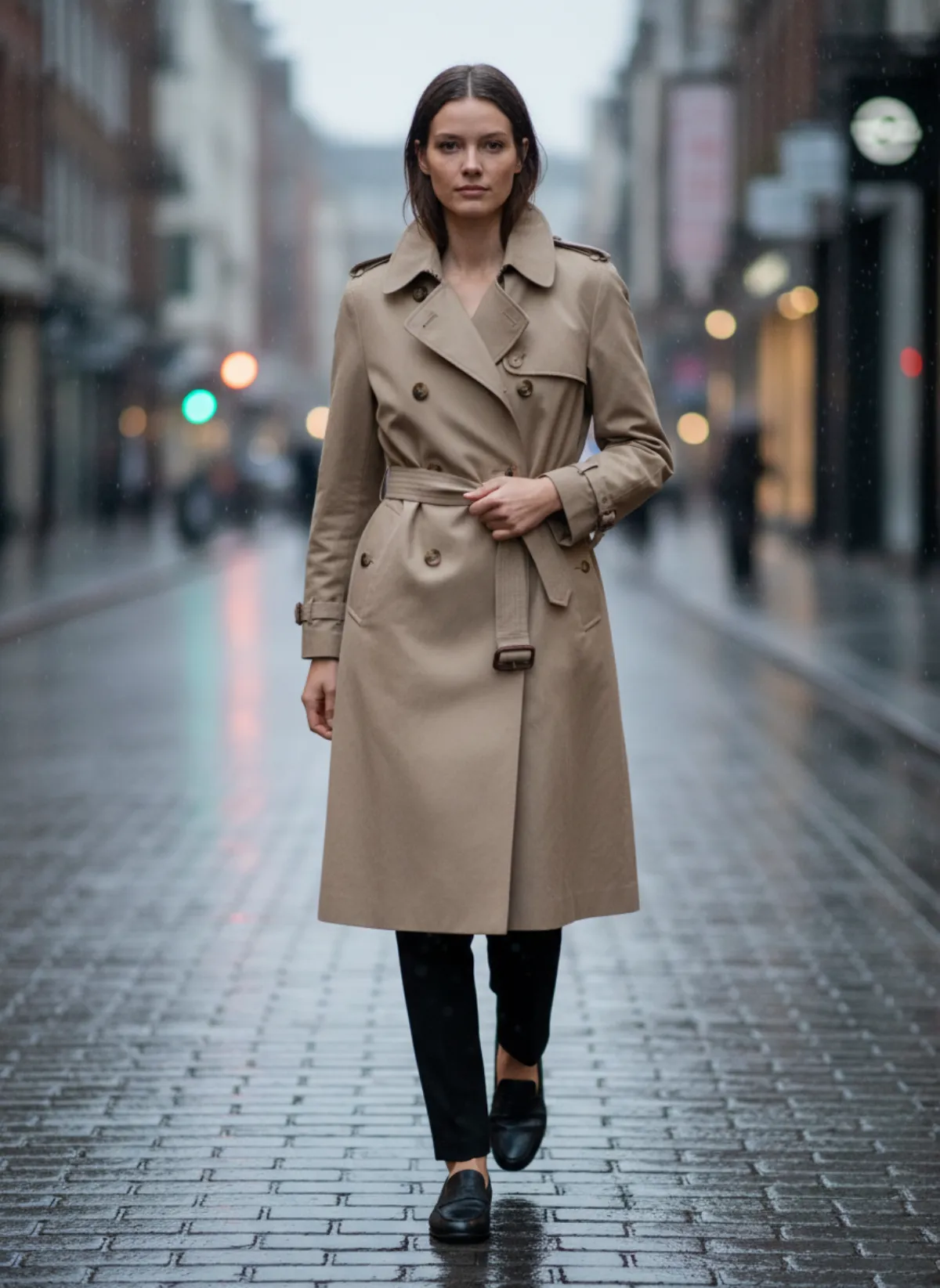
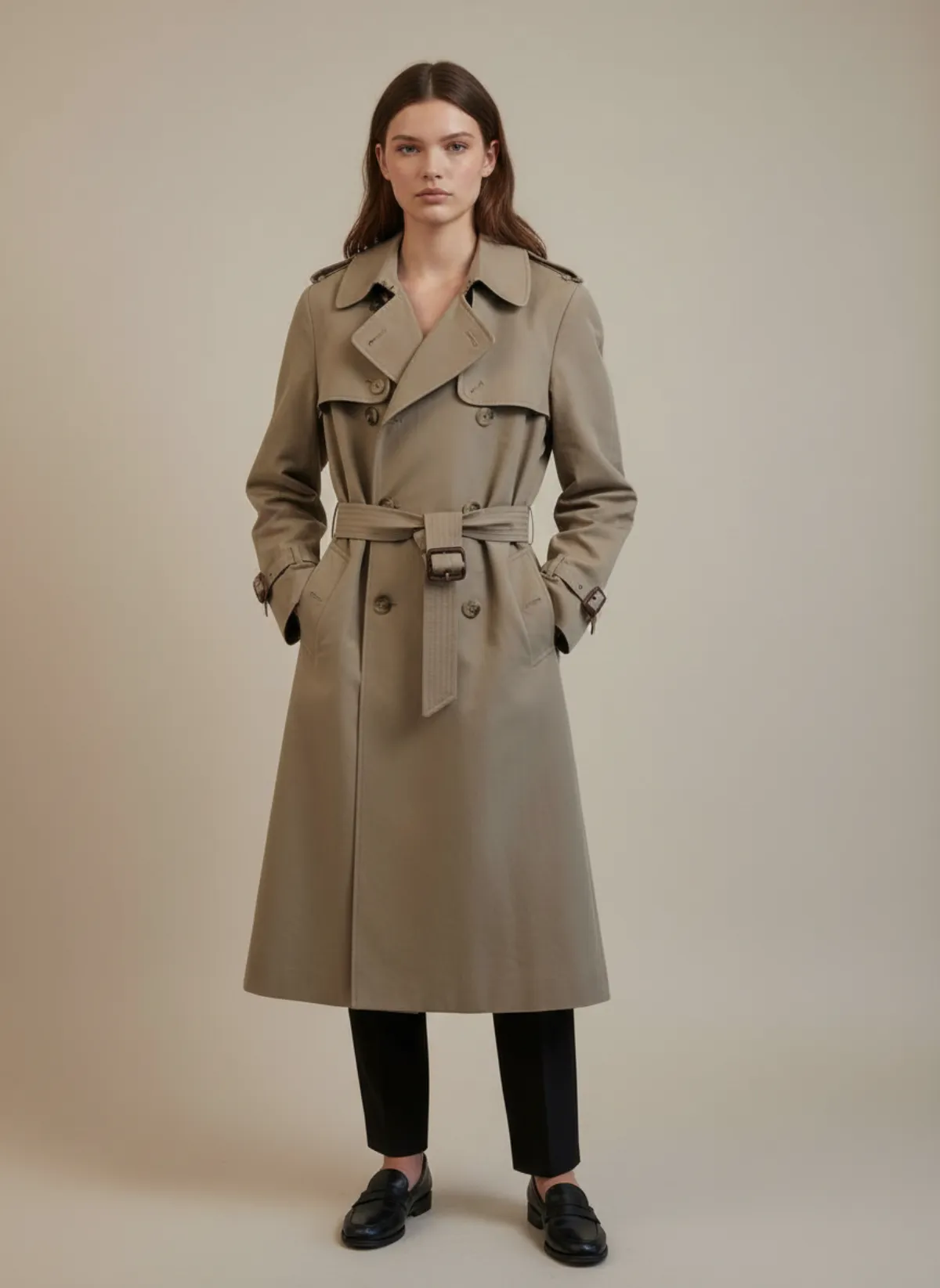
A trench coat on Ines
Photographed on a wooden hanger on a hallway hook. On a rainy street and in the studio, the belt and the length below the knee read at once.
 Your photo
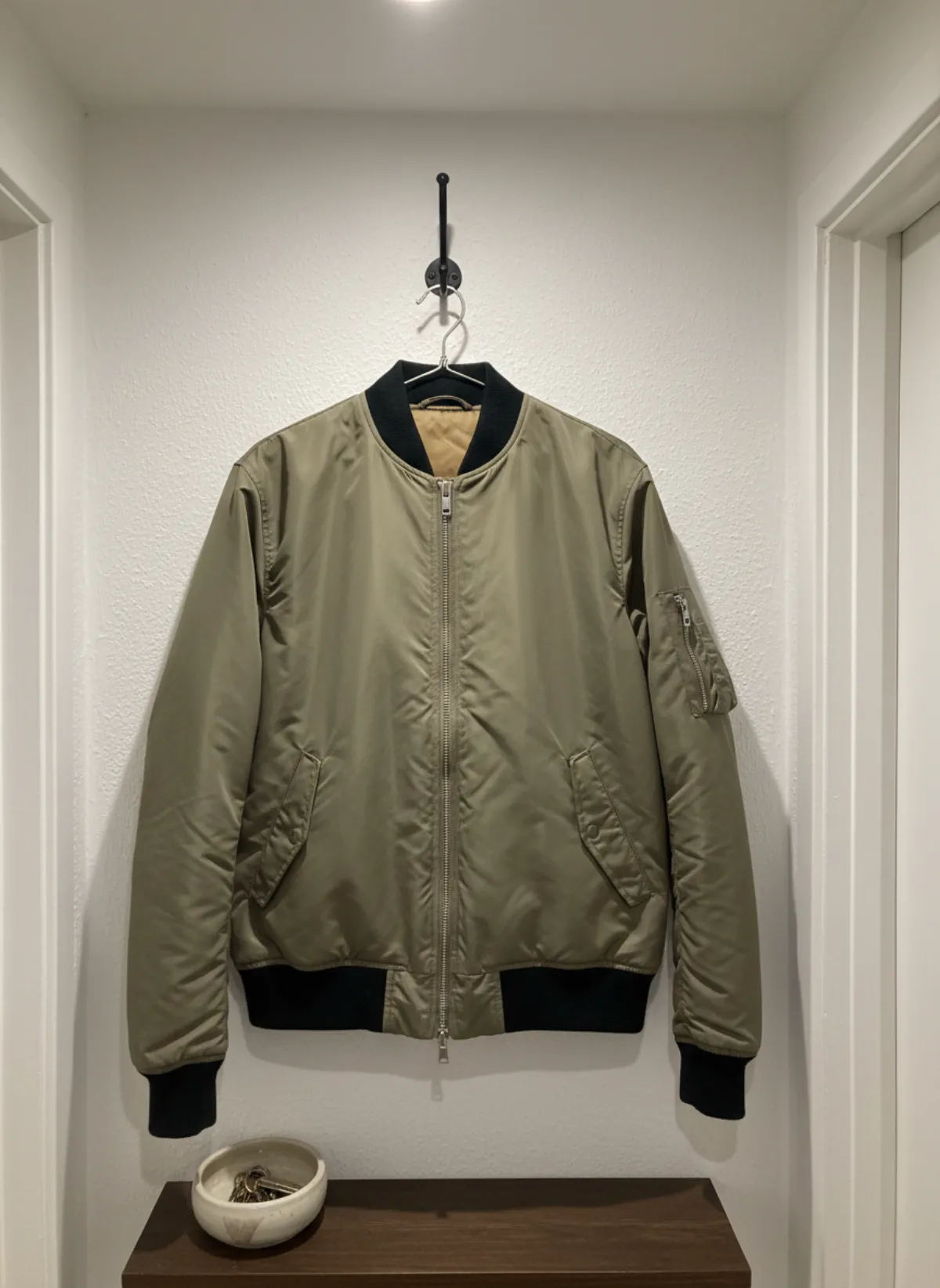
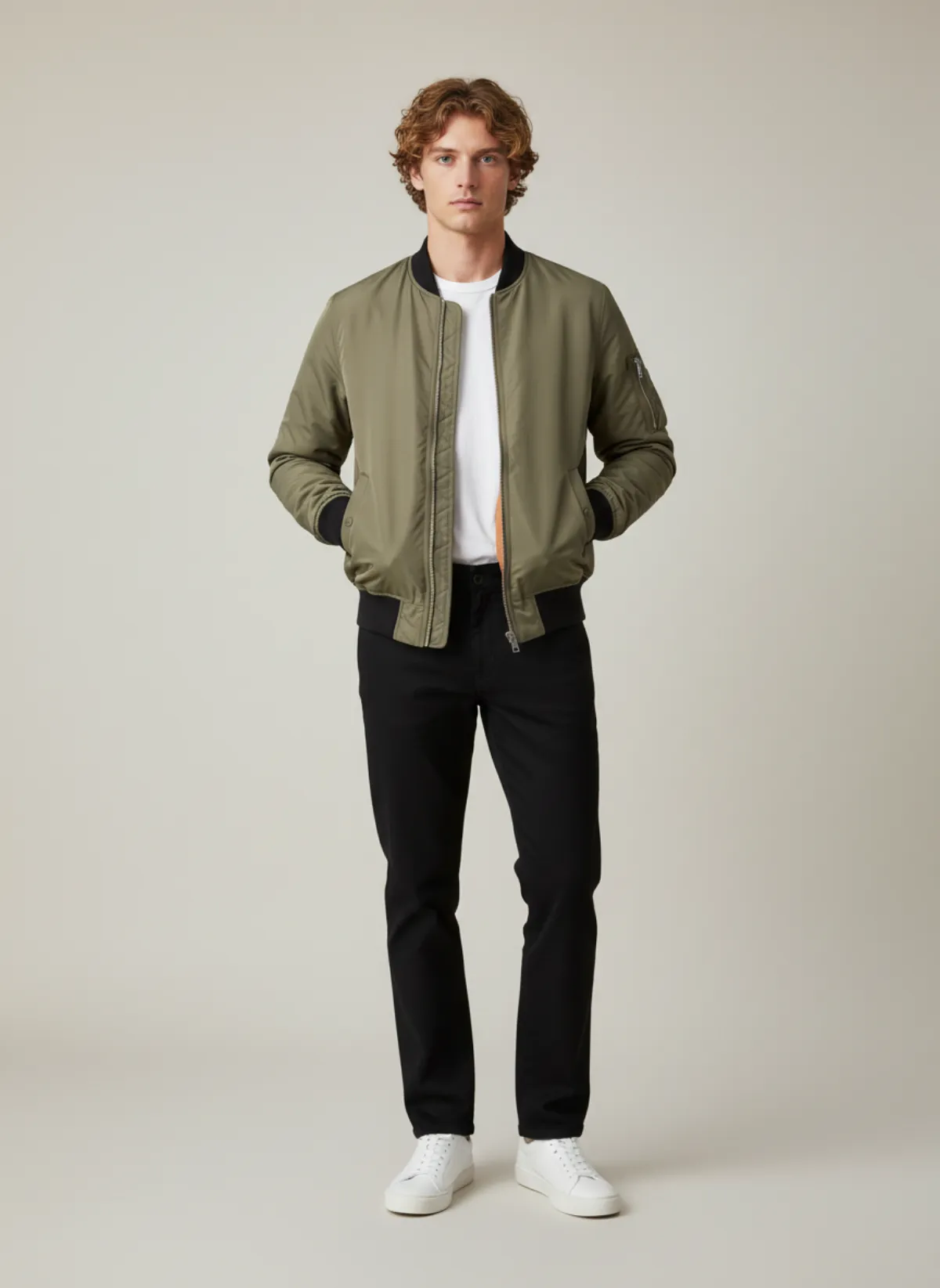
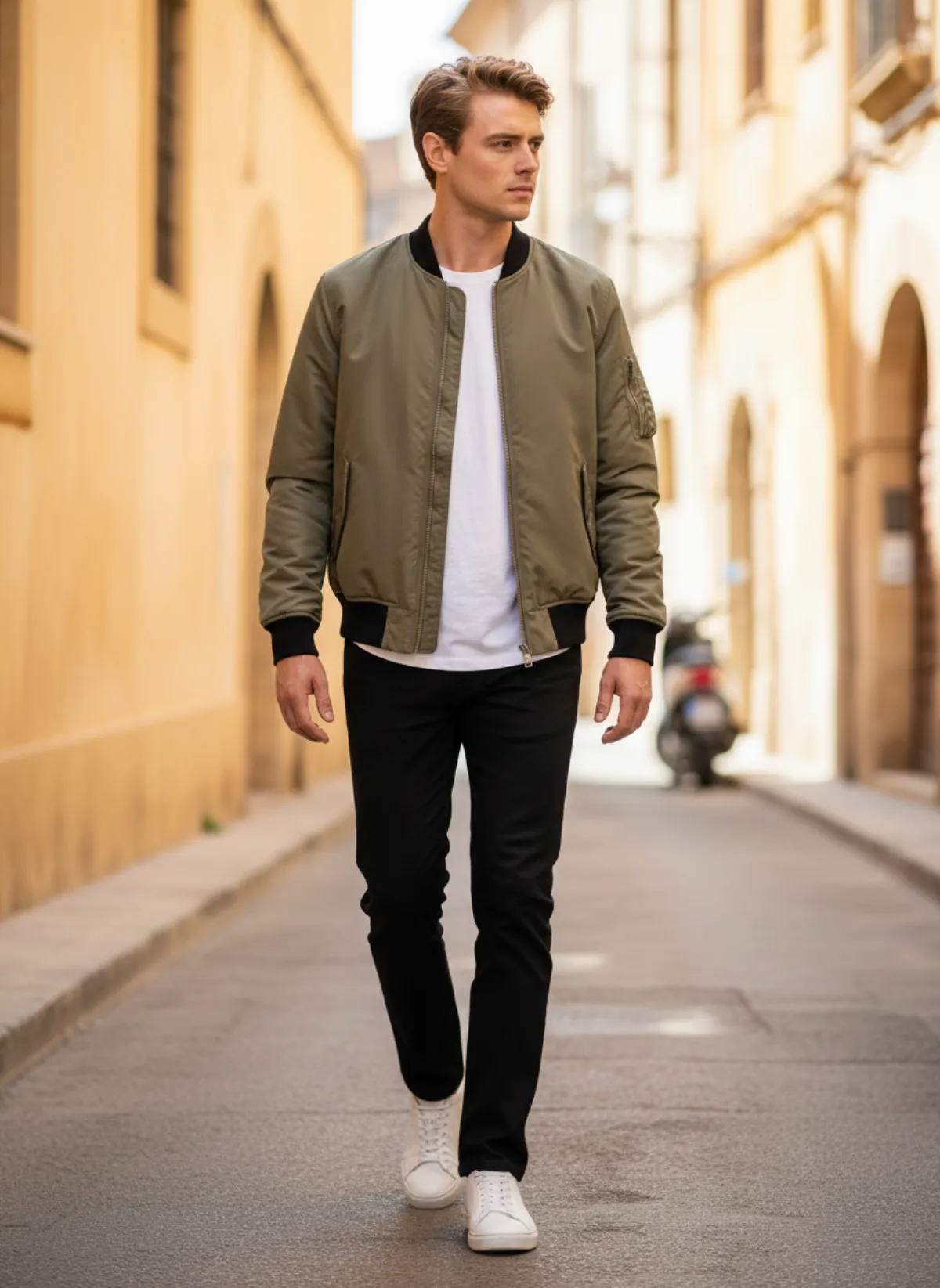
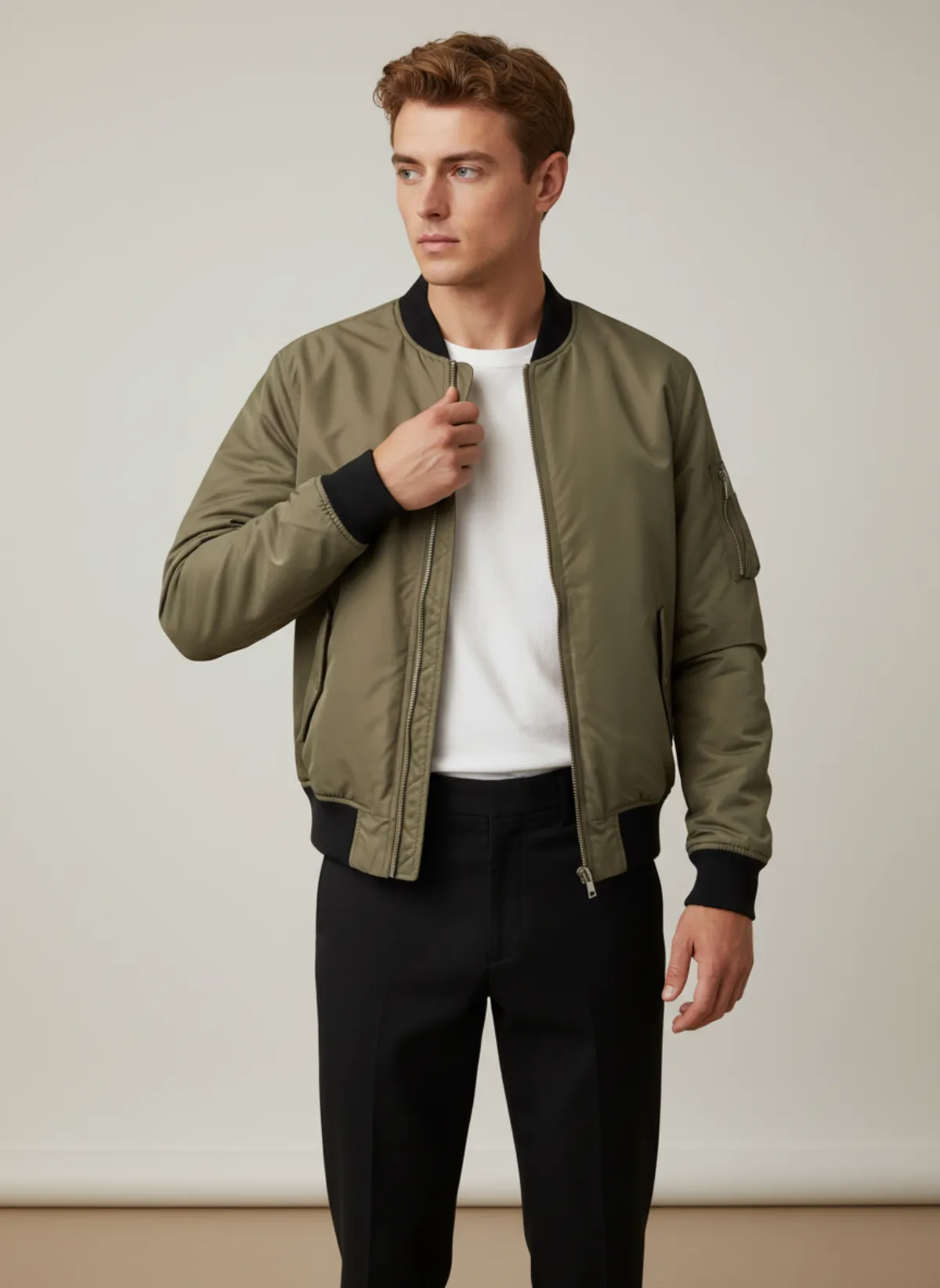
An olive bomber on Mateo
Hung on a wire hanger on a coat hook. The studio, street and zip detail frames show the rib collar and cuffs.
 Your photo
Questions about photographing jackets
Is it better to photograph a jacket on a hanger or flat?
On a hanger for most jackets and all long coats, because the shoulders keep their shape. Short structured pieces such as denim jackets and bombers also work flat, closed, with the sleeves along the body.
How do you take good pictures of coats for Vinted or eBay?
Use a wide hanger against a plain wall in daylight, shoot the front, back, lining, labels, hardware and every flaw, and add one worn photo. Put chest, length, sleeve and shoulder measurements in the description.
How do you photograph a leather jacket without glare?
Use soft side light from a window instead of light from the front, and turn off ceiling lights. Side light brings out the grain and the creases; front light turns leather into a flat shiny surface.
What measurements should I give for a jacket?
Chest from armpit to armpit, back length from collar to hem, sleeve from shoulder seam to cuff, and shoulder width from seam to seam. Measure flat and closed, in centimetres and inches.
Can I show a jacket on a model without hiring one?
Yes. Upload a clear hanger or flat photo to Garmo's jacket on model AI and it puts the same jacket on a ready model in front, three-quarter and walking frames. Check logos and hardware before publishing.