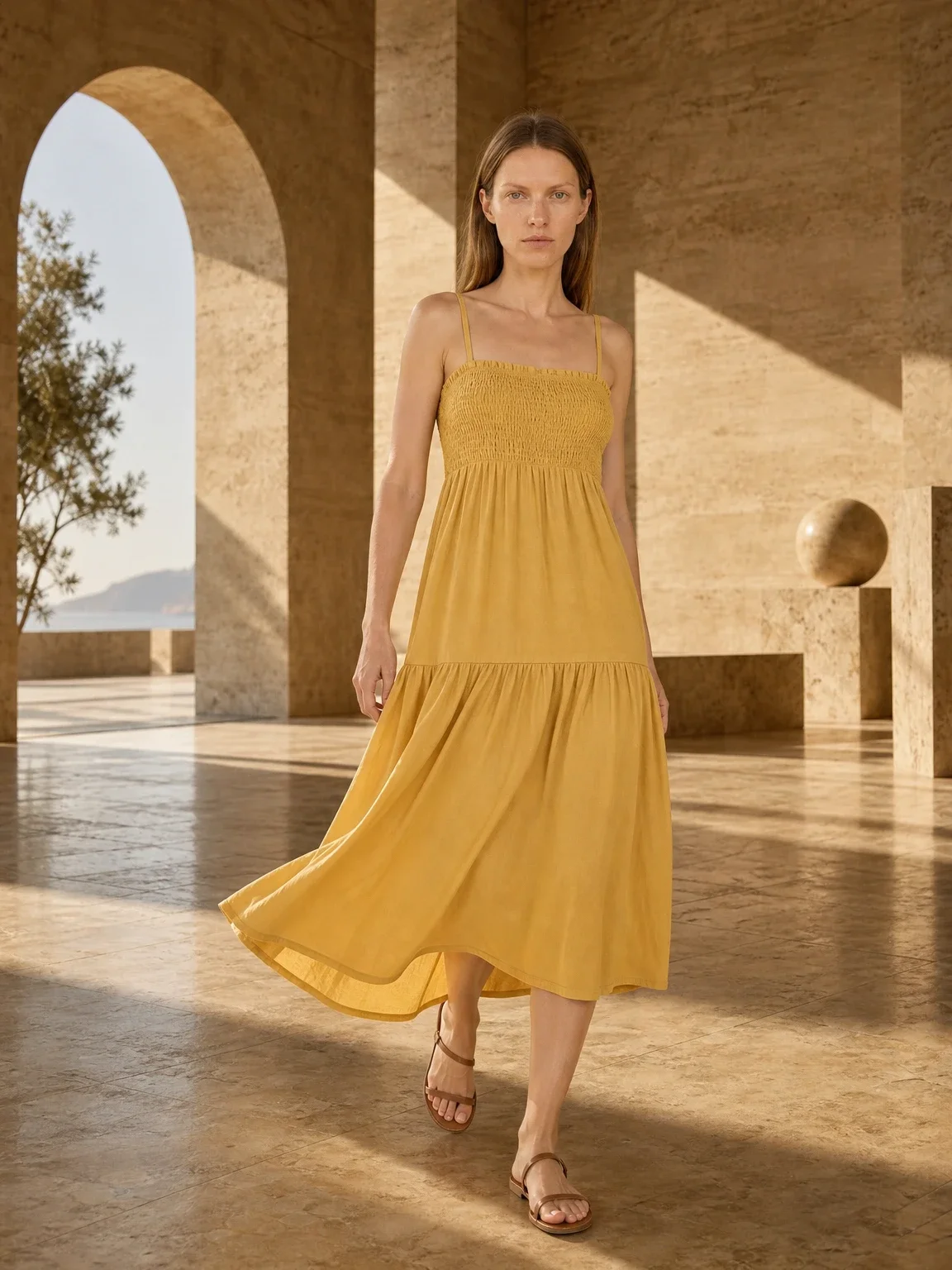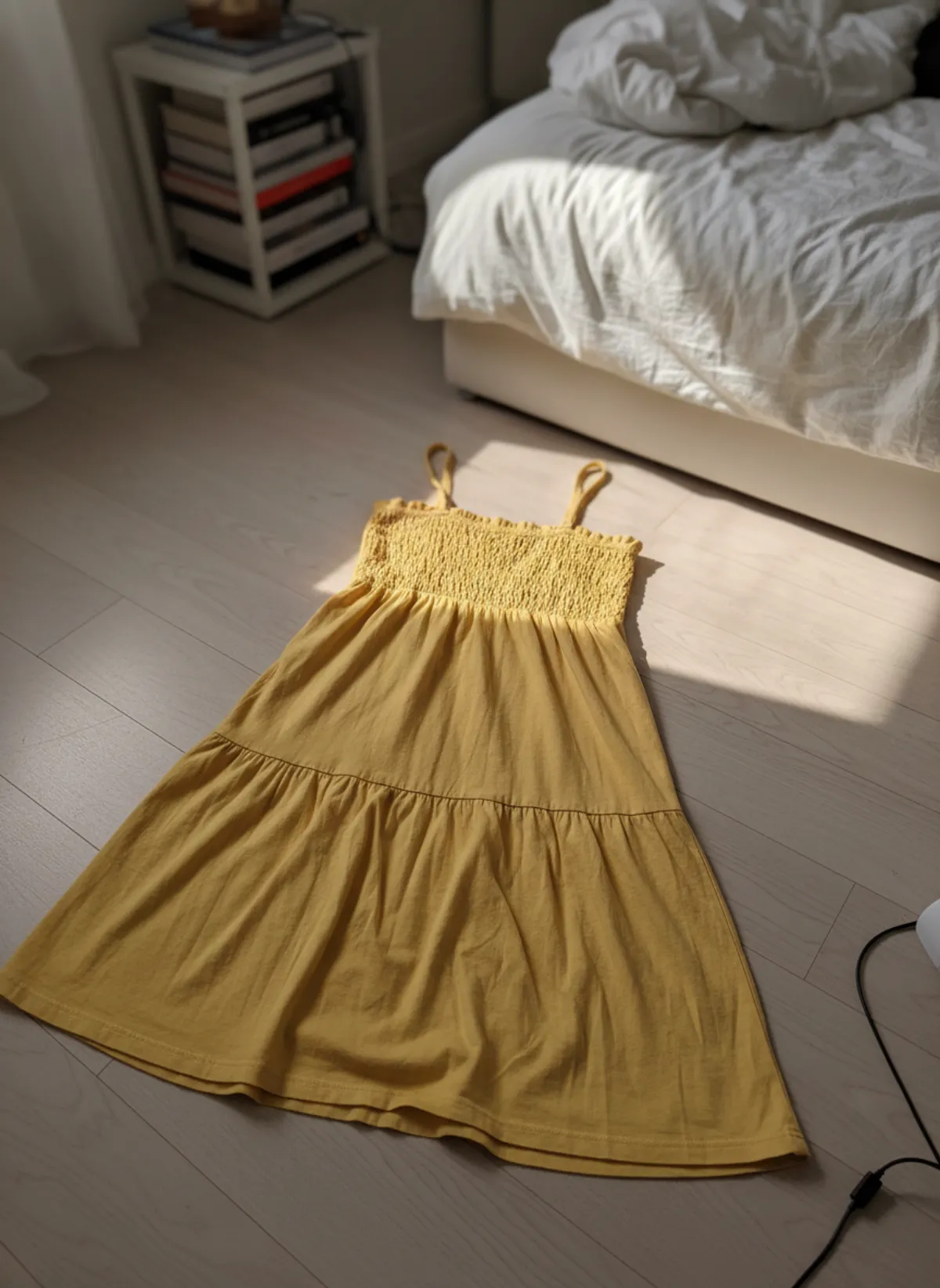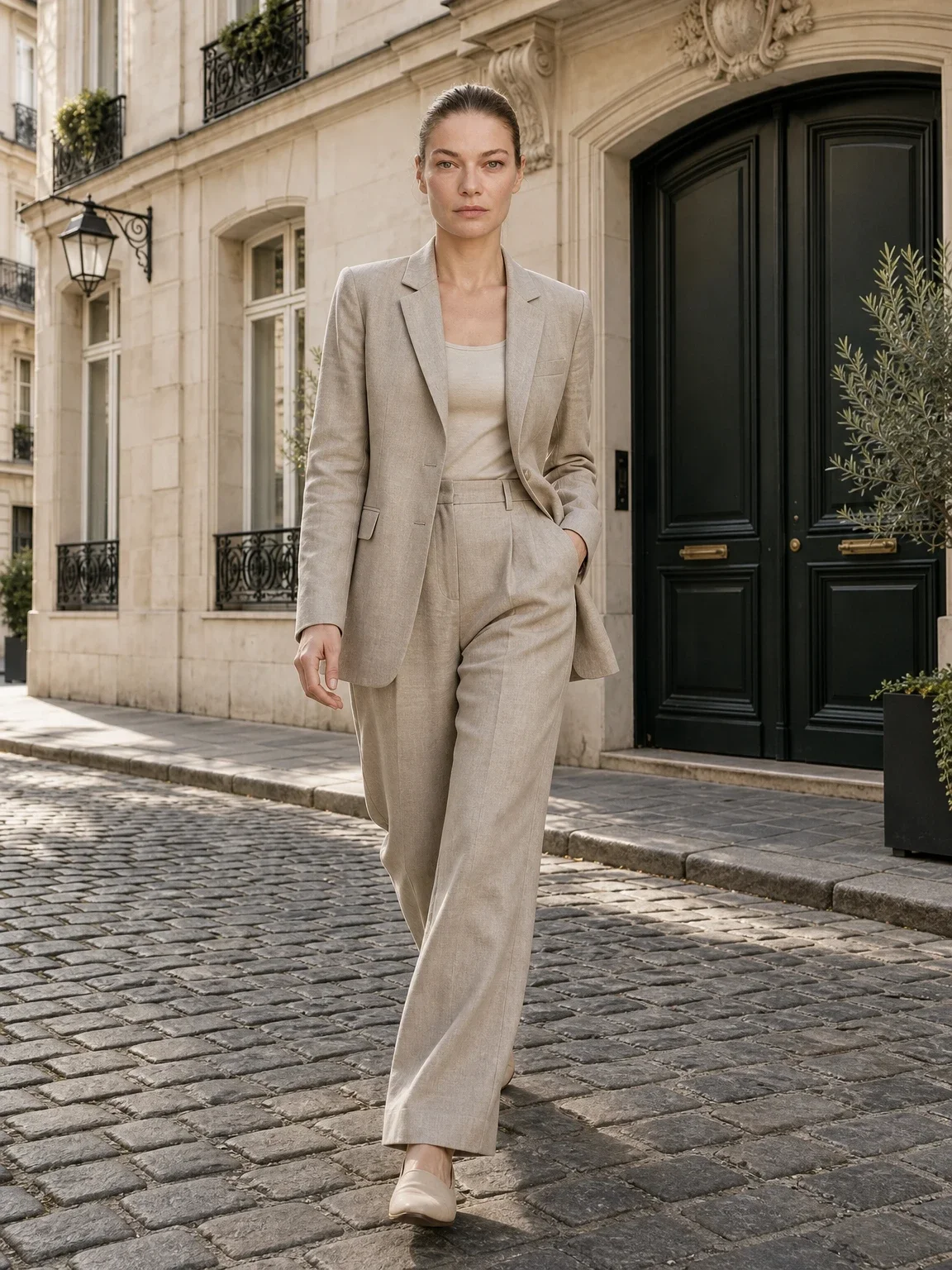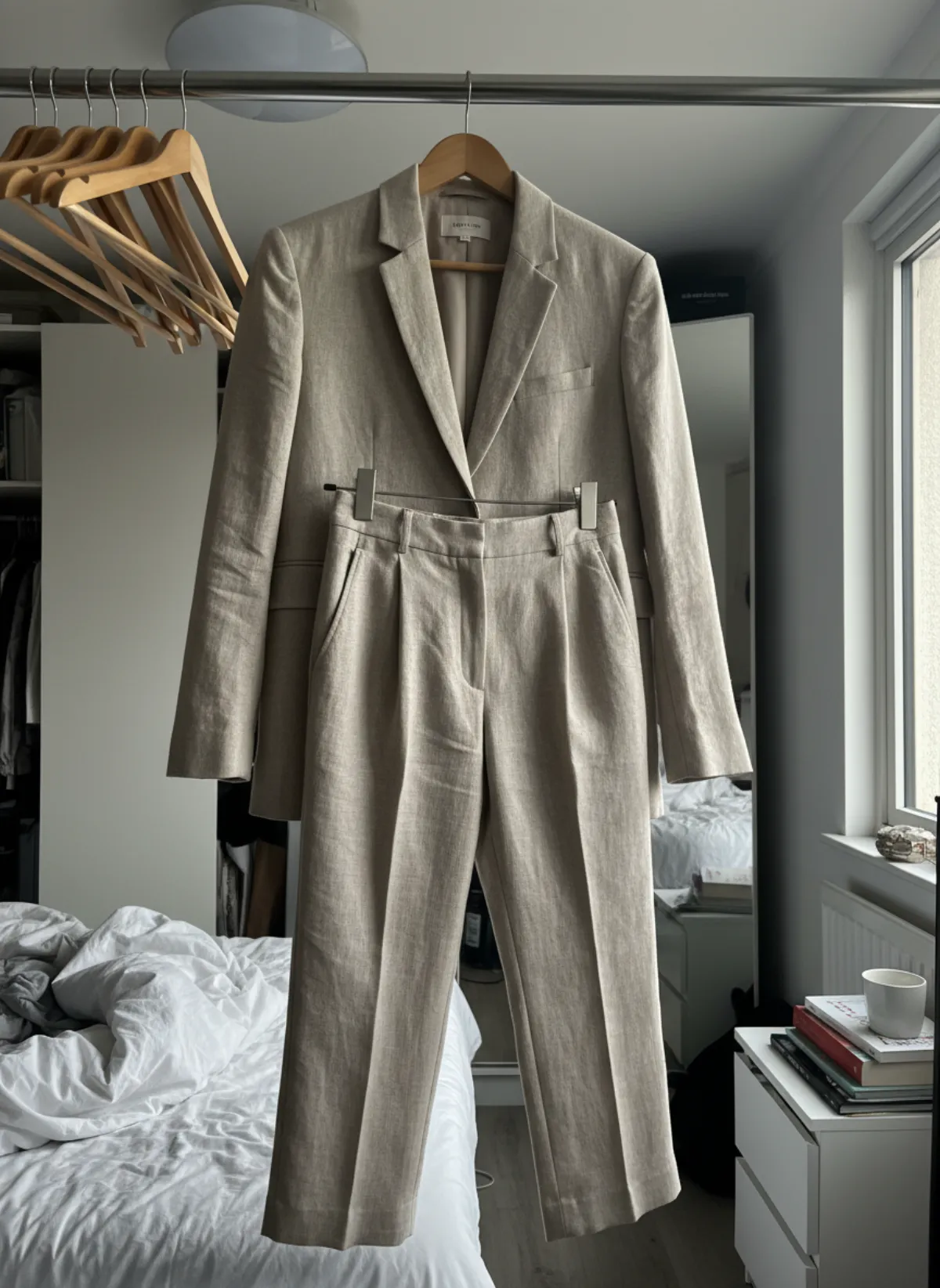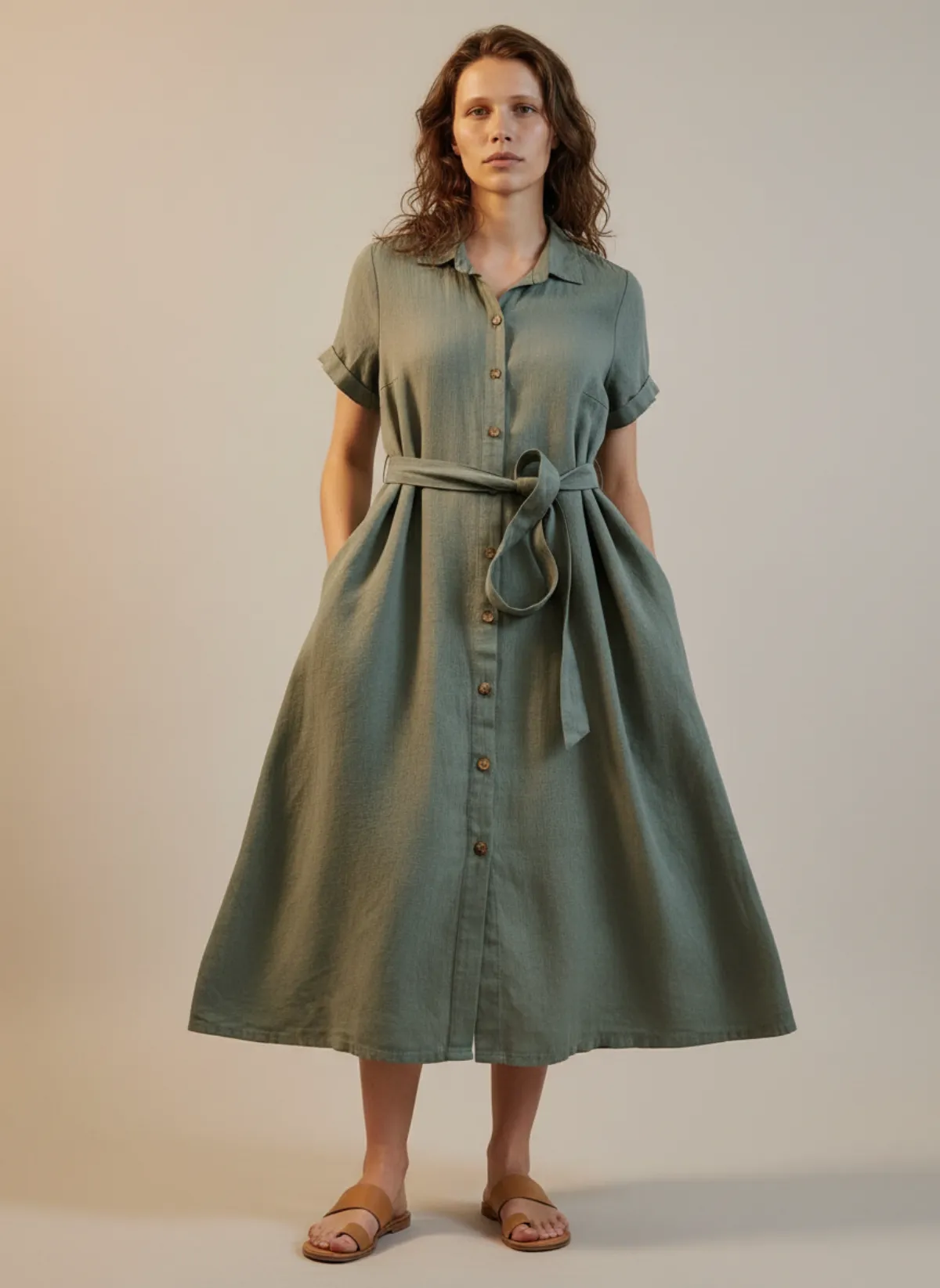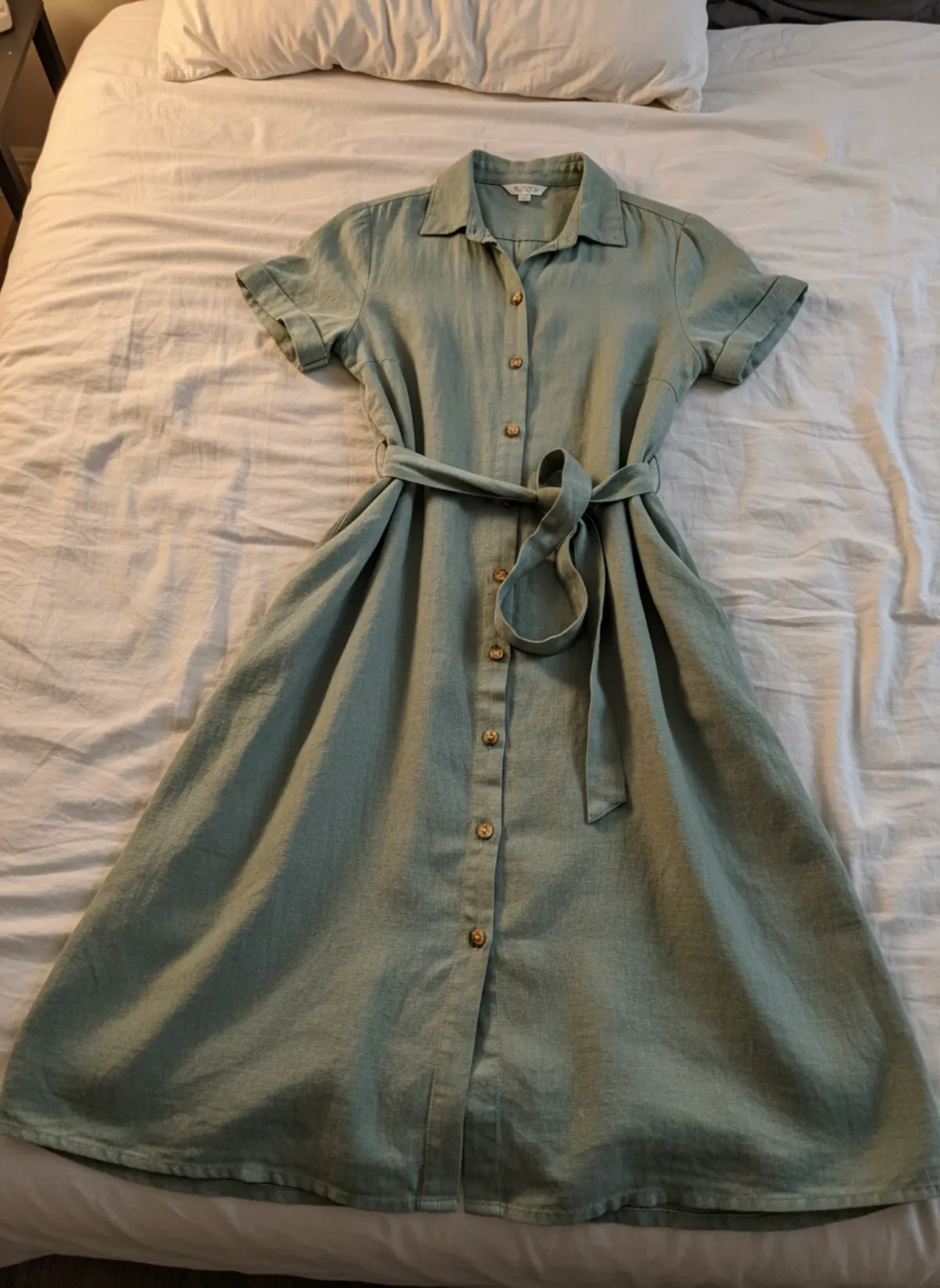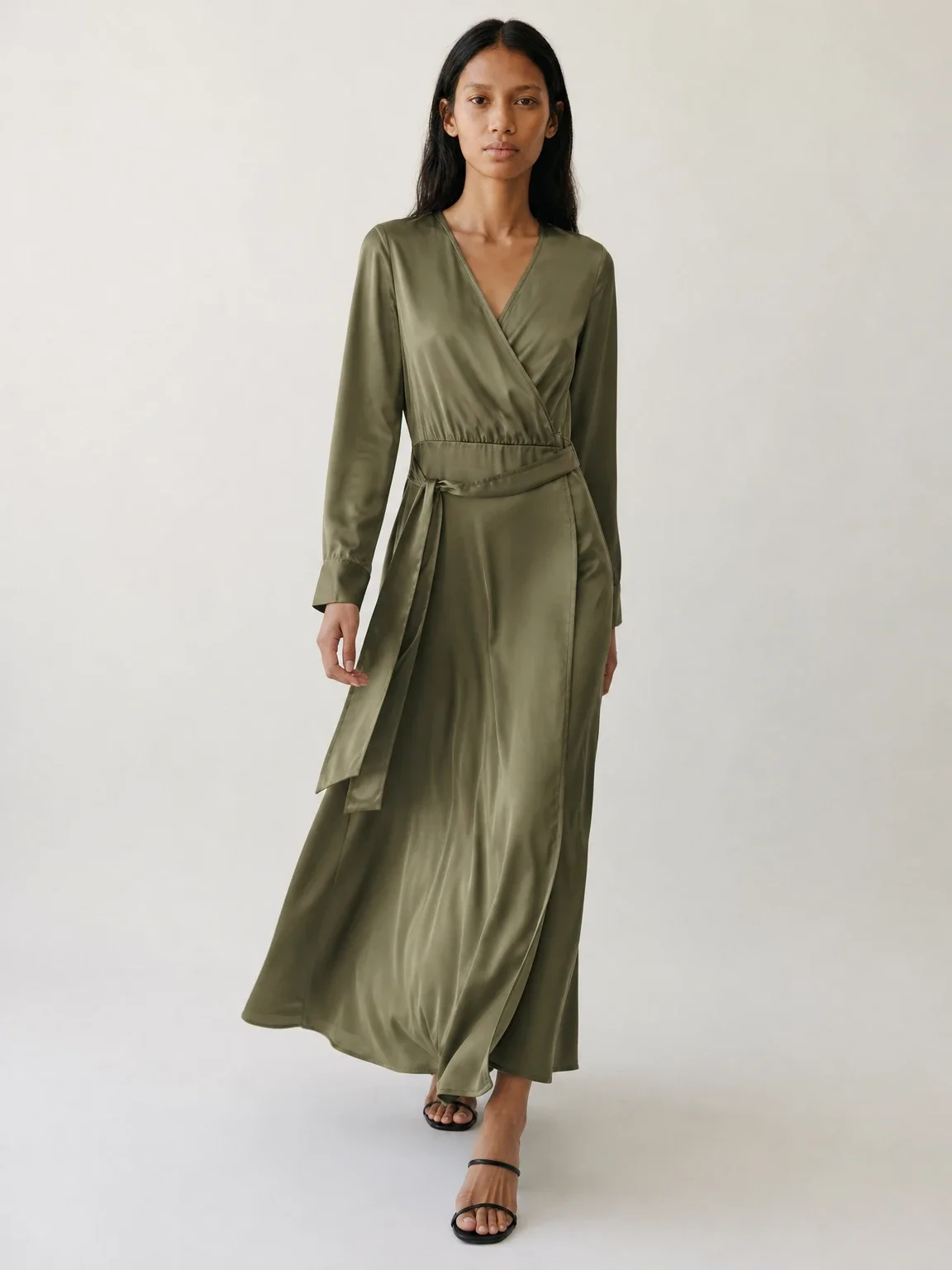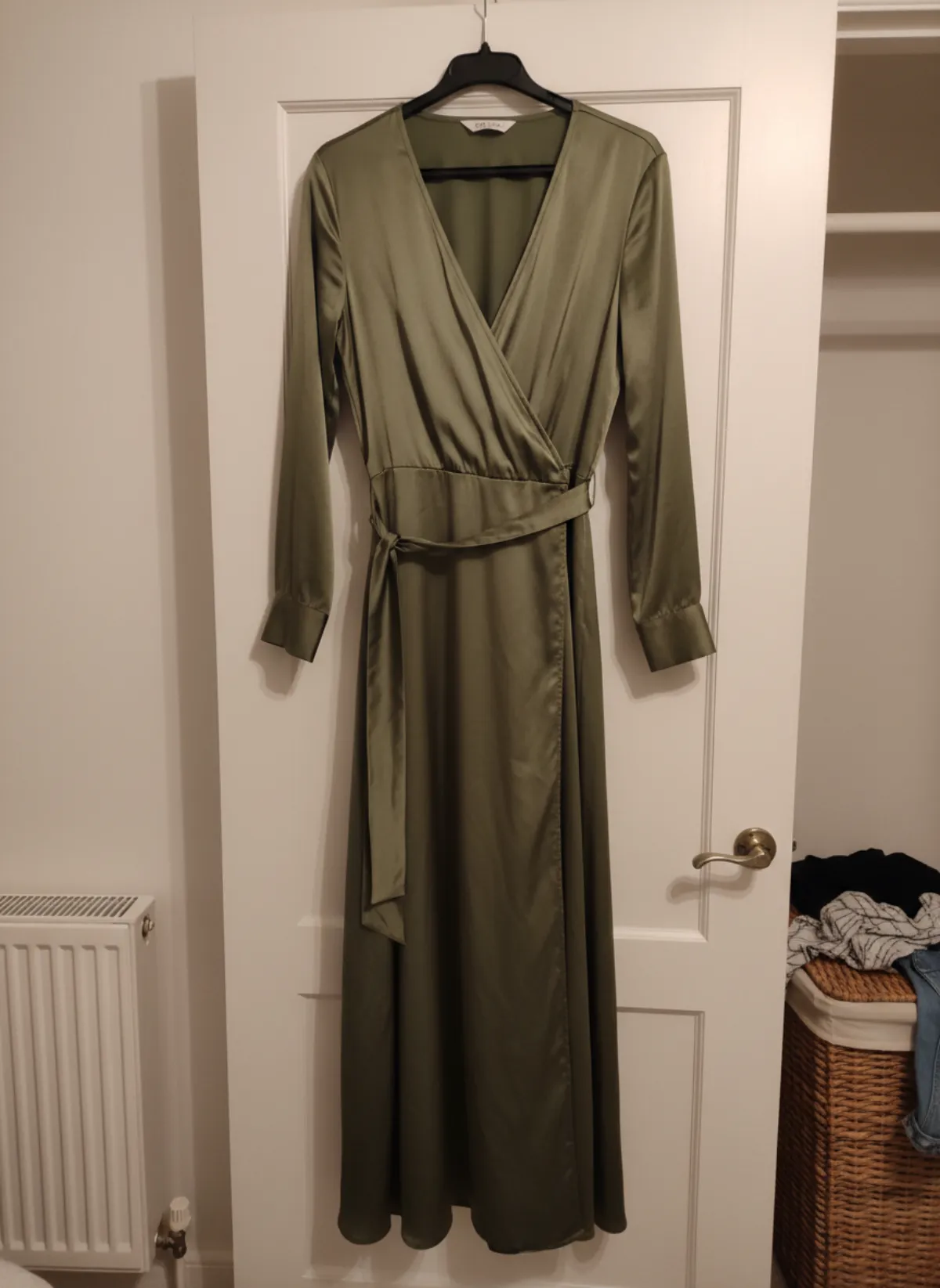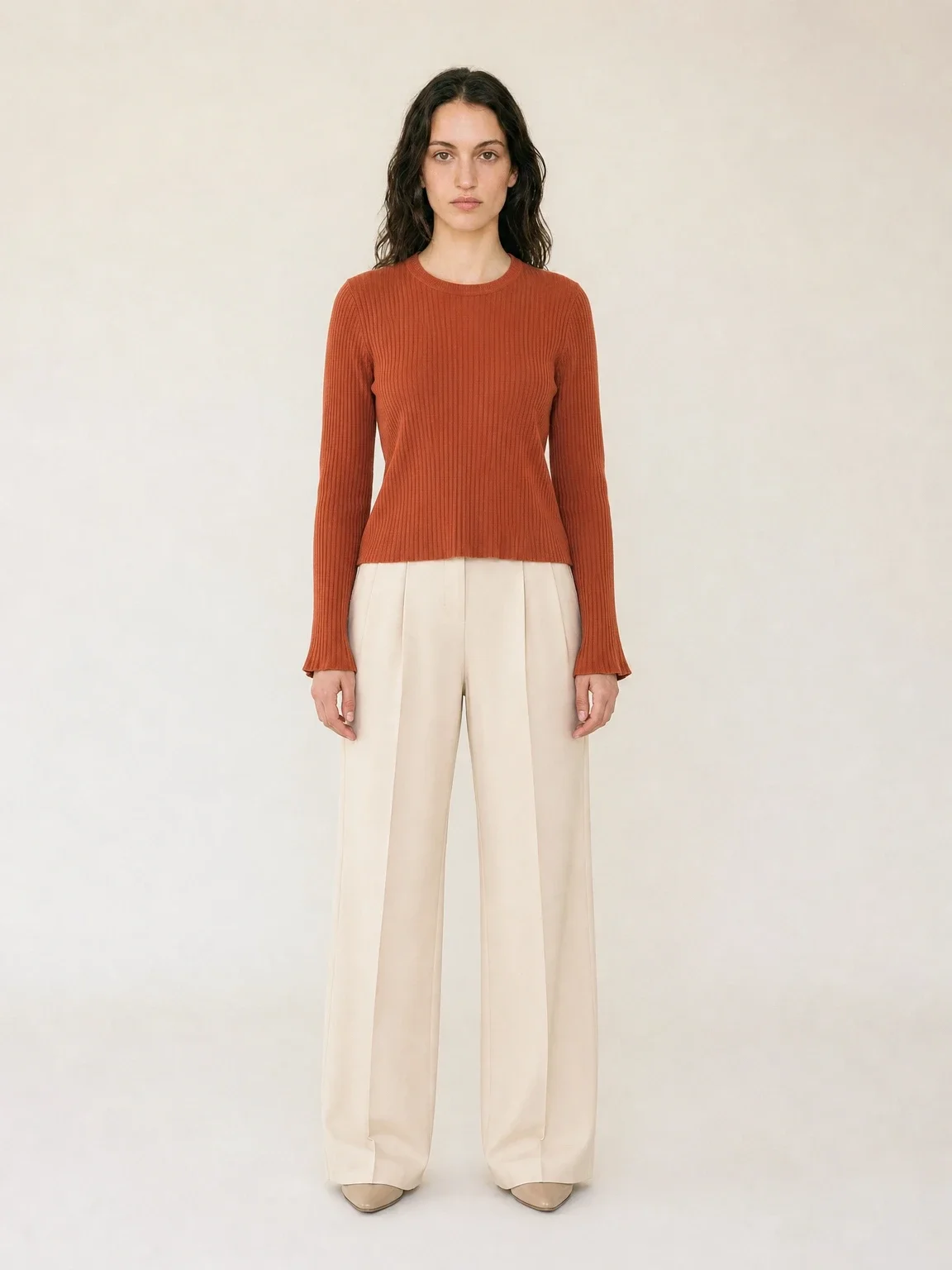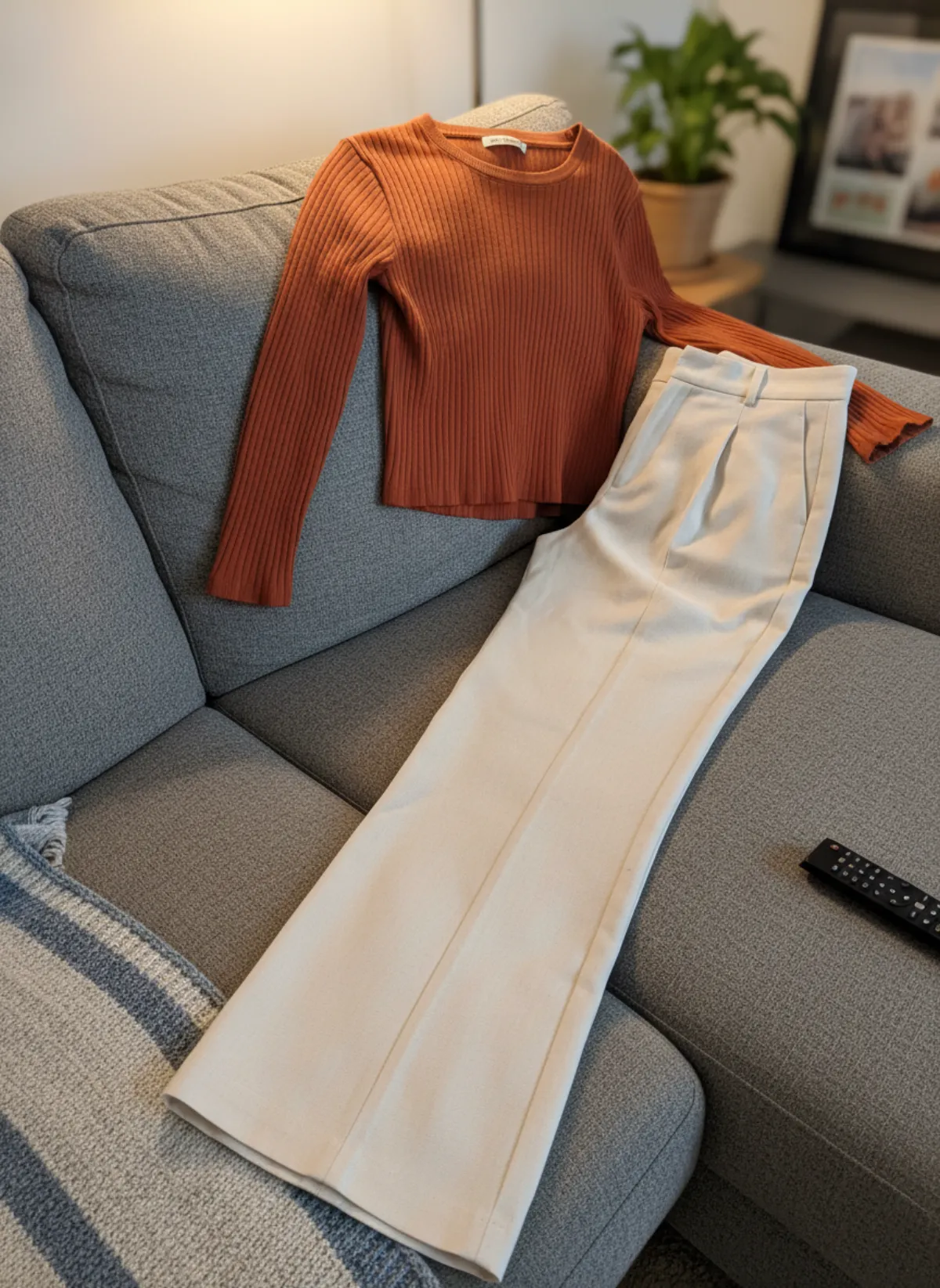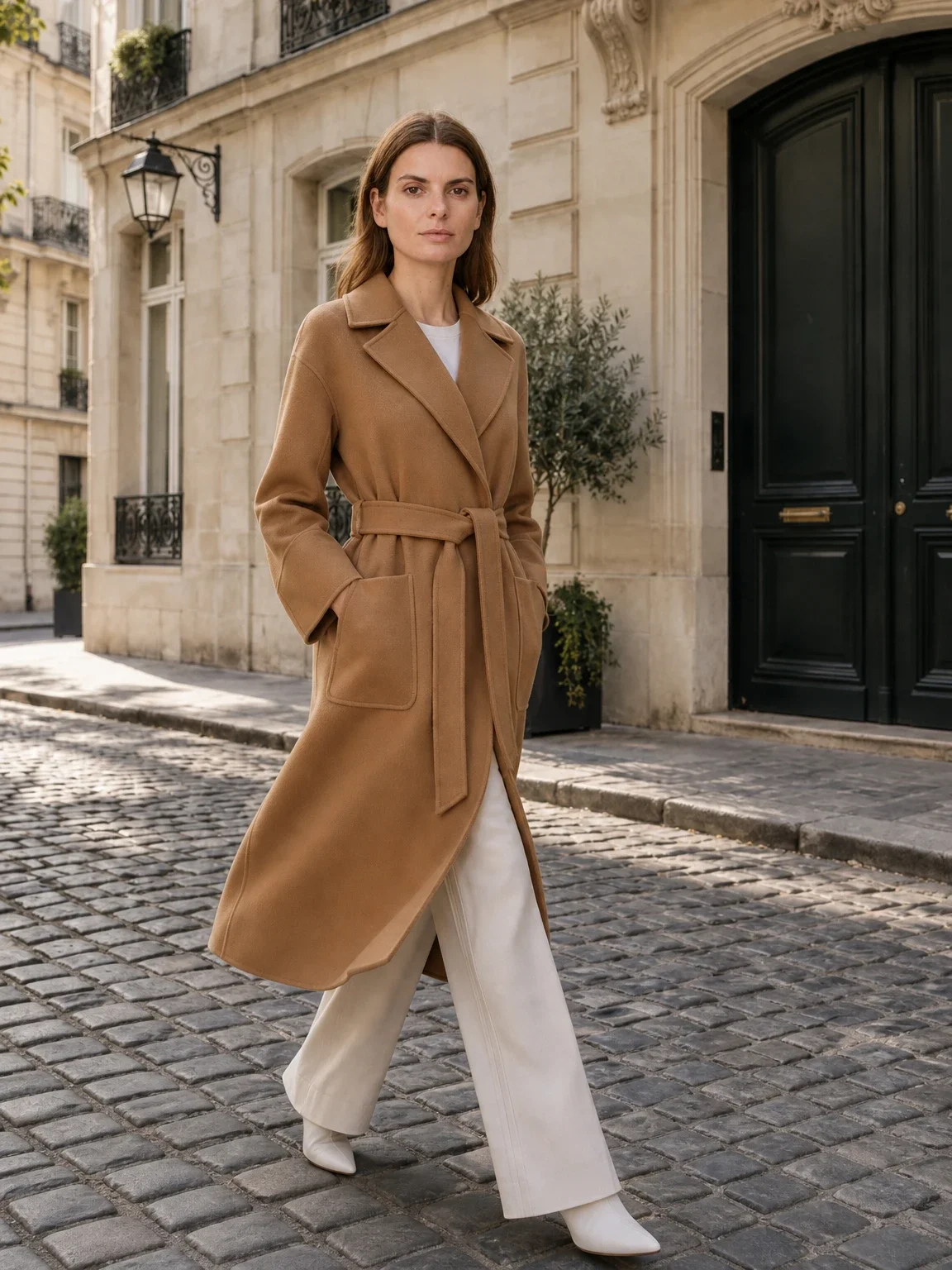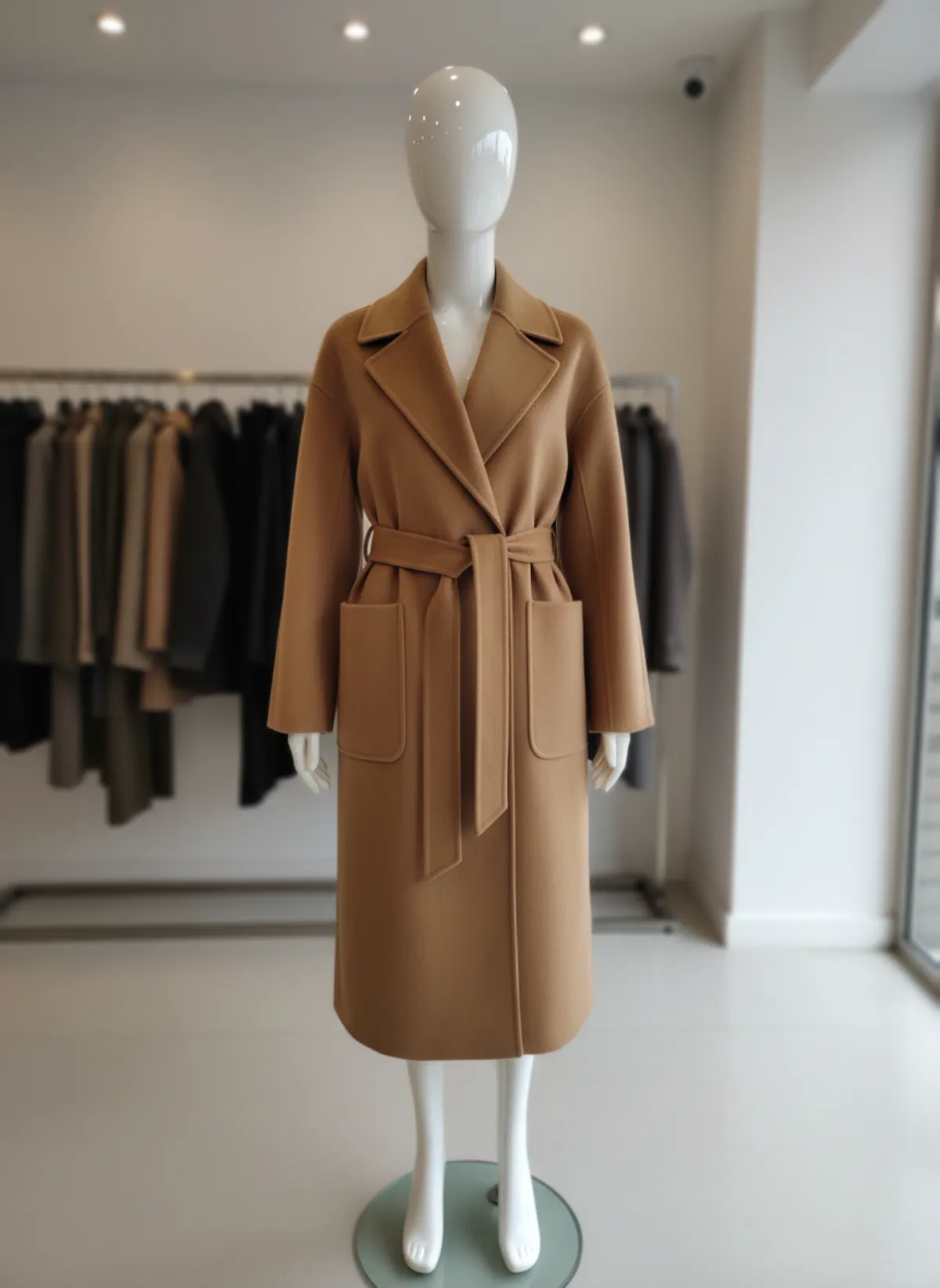
The short answer: decide image by image
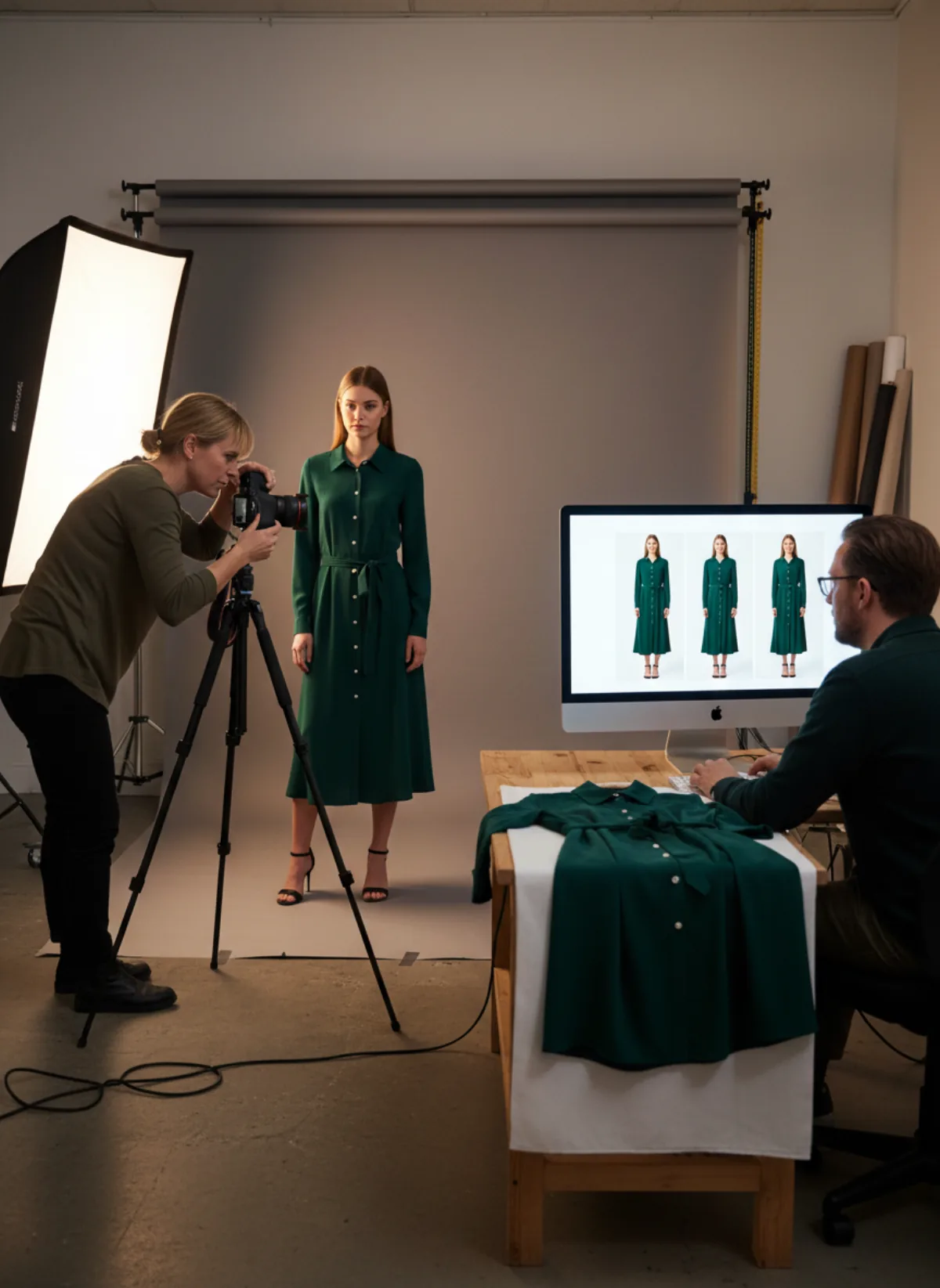
A traditional photoshoot records what was physically in front of the lens: the real model, garment, light and movement at a particular moment. That makes it the safer source when a shopper must judge fit, transparency, stretch, scale or the behaviour of a technical fabric. It also gives a campaign the chemistry of a real cast and crew. The price of that evidence is coordination: samples, model, location, photographer, stylist and approvals must meet on the same day.
AI product photography begins with a real product reference and creates the model, pose or setting later. A good AI product photography workflow can turn one approved garment into a front view, three-quarter frame and lifestyle image without rebuilding the set. It is especially useful for frequent small drops, late samples, extra marketplace ratios and products that missed the main shoot.
The comparison becomes misleading when it is framed as camera versus computer. Both methods still need preparation, art direction and quality control. A rushed physical set produces weak images; an AI tool with an incomplete source photo invents hidden construction. The right question is: what must this particular image prove, and which method produces that proof with the lowest total effort and risk?
For most fashion sellers, the product page needs several kinds of evidence. Keep a truthful flat, hanger or detail photograph; create clear on-model catalog frames; then add one or two emotional campaign images. Those jobs do not have to come from the same production method.
Where each production method is strongest
Physical studio
Best for exact fit evidence, transparent or reflective materials, complex movement, several people interacting and campaigns built around a real ambassador.
AI workflow
Best for repeatable catalog views, model and background variations, late SKUs, frequent drops and additional crops from an approved product reference.
Hybrid production
Photograph hero assets and difficult details physically, then extend routine products into consistent supporting frames with AI.
Original product photo
Keep it in every workflow. It is the source of truth used to check colour, seams, print, hardware, proportions and claims.
Compare accuracy, cost, speed, control and scale
Accuracy is not simply ‘real is accurate, AI is inaccurate’. A camera can misrepresent colour through lighting and editing, while a careful AI result can preserve the visible garment very well. The difference is recoverability: a physical frame contains real information that can be corrected in post; generation may confidently invent a hidden pocket or alter a clasp. For AI, compare every output at full size with the source and reject any change that could affect a purchase decision.
Cost should be measured per approved image, not per shutter click or generation. Add studio, model, crew, styling, sample shipping, retouching and internal approval time to a physical shoot. For AI, add source photography, credits, rejected generations and review time. Our product photography cost guide gives a common calculation so two very different quotes can be compared honestly.
Speed has two meanings. A studio may capture a large collection in one efficient day, but booking and retouching extend the calendar. AI can return an individual set quickly, yet a poorly prepared collection loses time through repeated corrections. Test the hardest representative SKU first, approve the model and visual direction, and only then scale the rest.
Creative control also differs. A physical set gives direct control over styling, gesture and light, with immediate feedback from the people in the room. AI makes it inexpensive to explore settings and ratios after the sample arrives, but every extra variable can weaken consistency. Lock the model, background family, lens feel and shot list before producing the full range.
Scale is where AI usually has the clearest advantage. Once the direction is approved, an AI model photoshoot can cover late products without recalling the crew. The physical shoot remains valuable for the master campaign and for items whose construction cannot be shown honestly from one reference.
A practical decision tree for a fashion brand
Choose a physical shoot if the image supports a fit promise, shows sport or dance, depends on exact drape across several angles, features sheer fabric, or must portray a named real person. Also choose it when video and behind-the-scenes material are central deliverables. The camera day creates a rich library that can anchor the season.
Choose AI when the product is clearly visible in the source, the required output is a controlled catalog or marketplace frame, and speed or assortment coverage matters more than a unique set. A flat garment can use flat lay to model; a clean hanger image can use the garment workflow. Begin with one proof set rather than processing the entire collection unseen.
Choose hybrid when both needs are present. Photograph one campaign story, real material details and a fit reference. Use those decisions to guide supporting on-model frames, regional crops and late-arriving colours. Keep the original product photograph visible on the listing whenever a generated image could leave a material question unanswered.
Before publishing, inspect colour, silhouette, neckline, sleeve and hem length, closures, logos, print placement, jewelry count, shoe construction and anatomy. Record pass, review or reject. This approval step is not a sign that AI failed; it is the digital equivalent of selecting and retouching frames after a conventional shoot.
A hybrid plan you can copy
Start the season with one physical day and spend it on what only a camera can prove. Shoot the campaign story, a fit reference on a real person, and close-ups of fabric, stitching, hardware and anything sheer or reflective. These frames set the visual direction and the standard every later image is judged against.
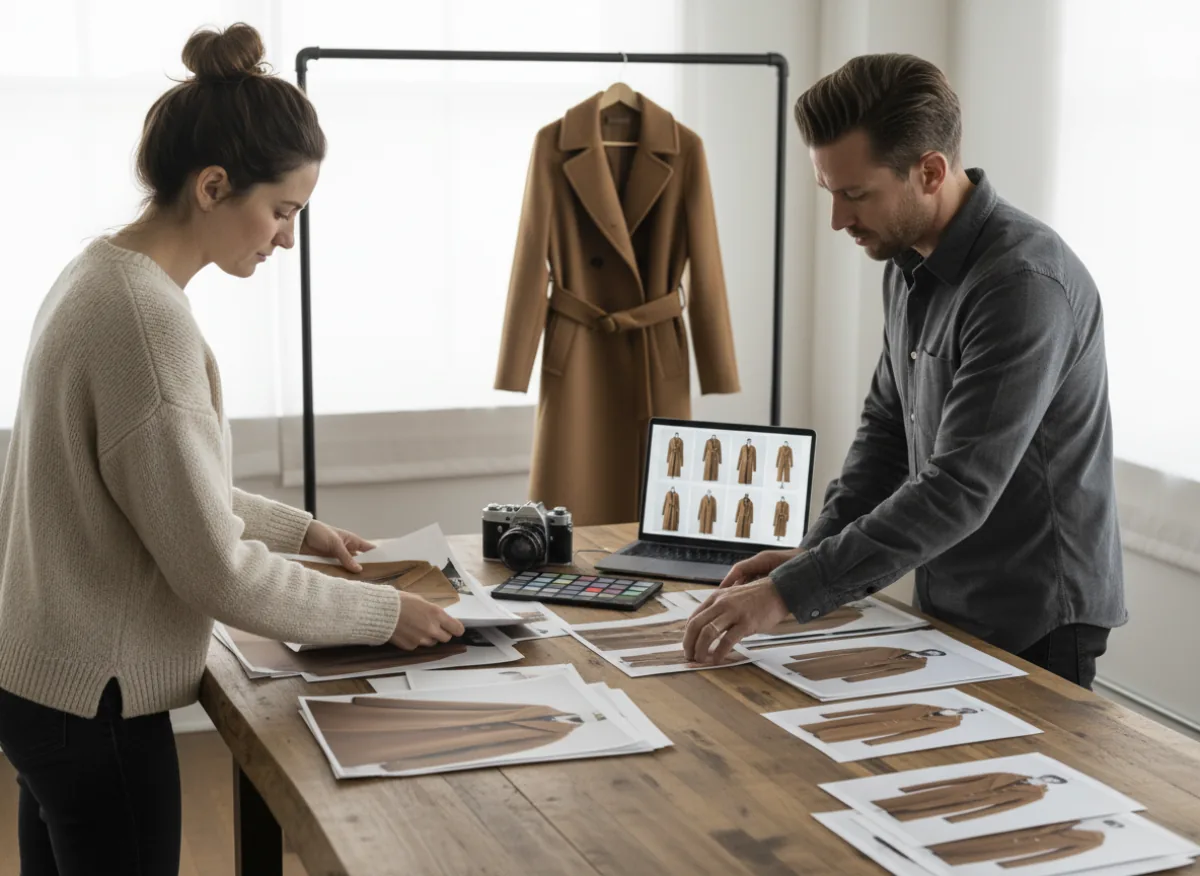
Then sort the range. Hero products, difficult materials and anything that carries a fit promise stay with the physical shoot. Straightforward catalog items, new colourways and late arrivals go through AI: photograph each product clearly, run it through the same model, background and ratio you approved, and compare every result with the source. The picture shows a small team doing exactly this sorting, with detail proofs on one side of the table and clean on-model catalog frames on the other.
Finally, agree the rules in writing: which product types never go to AI, who approves a frame, how a rejected image is logged and which original photo stays on the listing. A hybrid plan fails when each side improvises and works when the decision is made per image and reviewed after the first month. The catalog photoshoot guide helps you build the physical half of the shot list, and the ten-product accuracy test shows what to check on the AI half.
The AI route in practice: one quilted overshirt
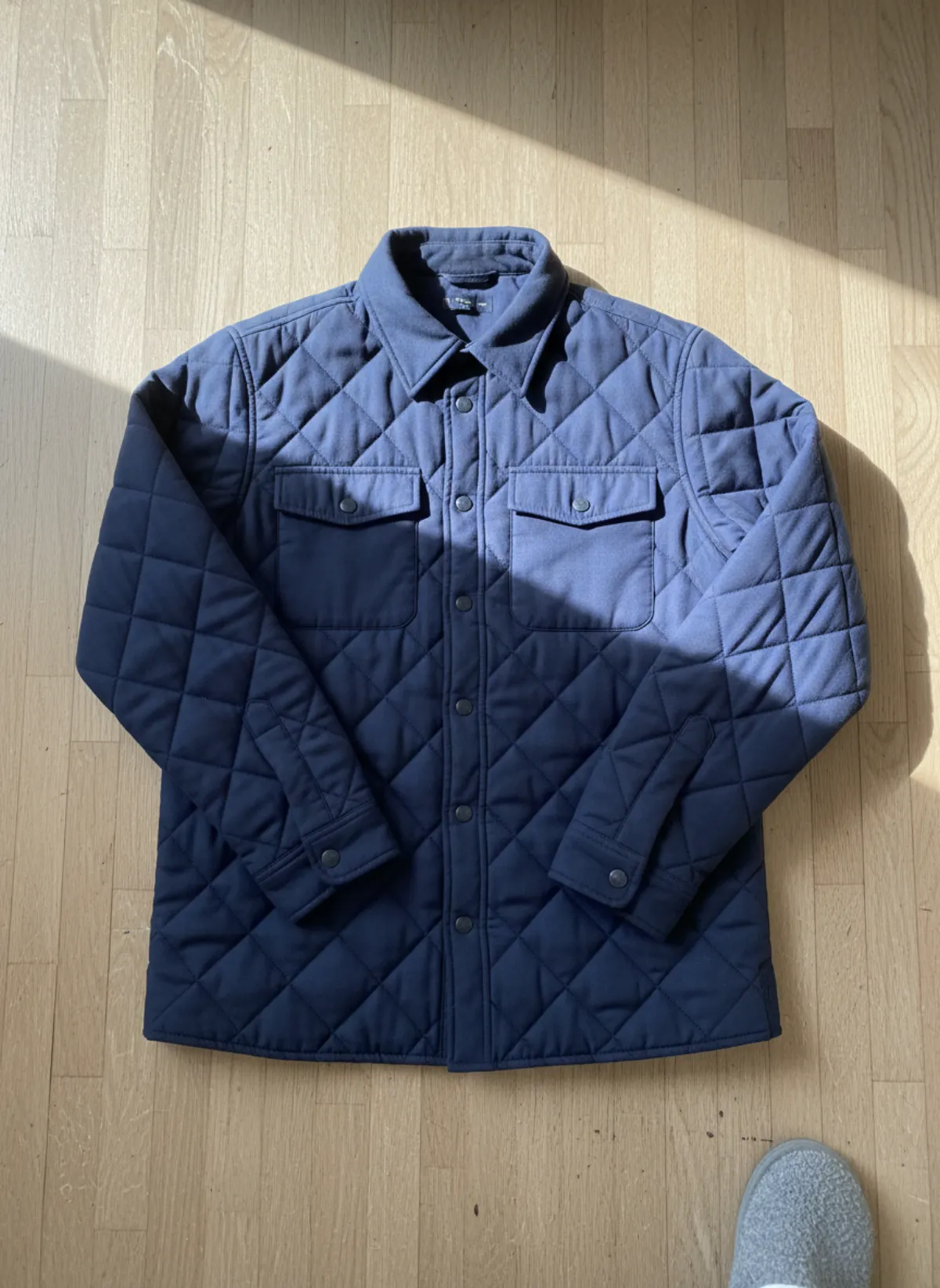
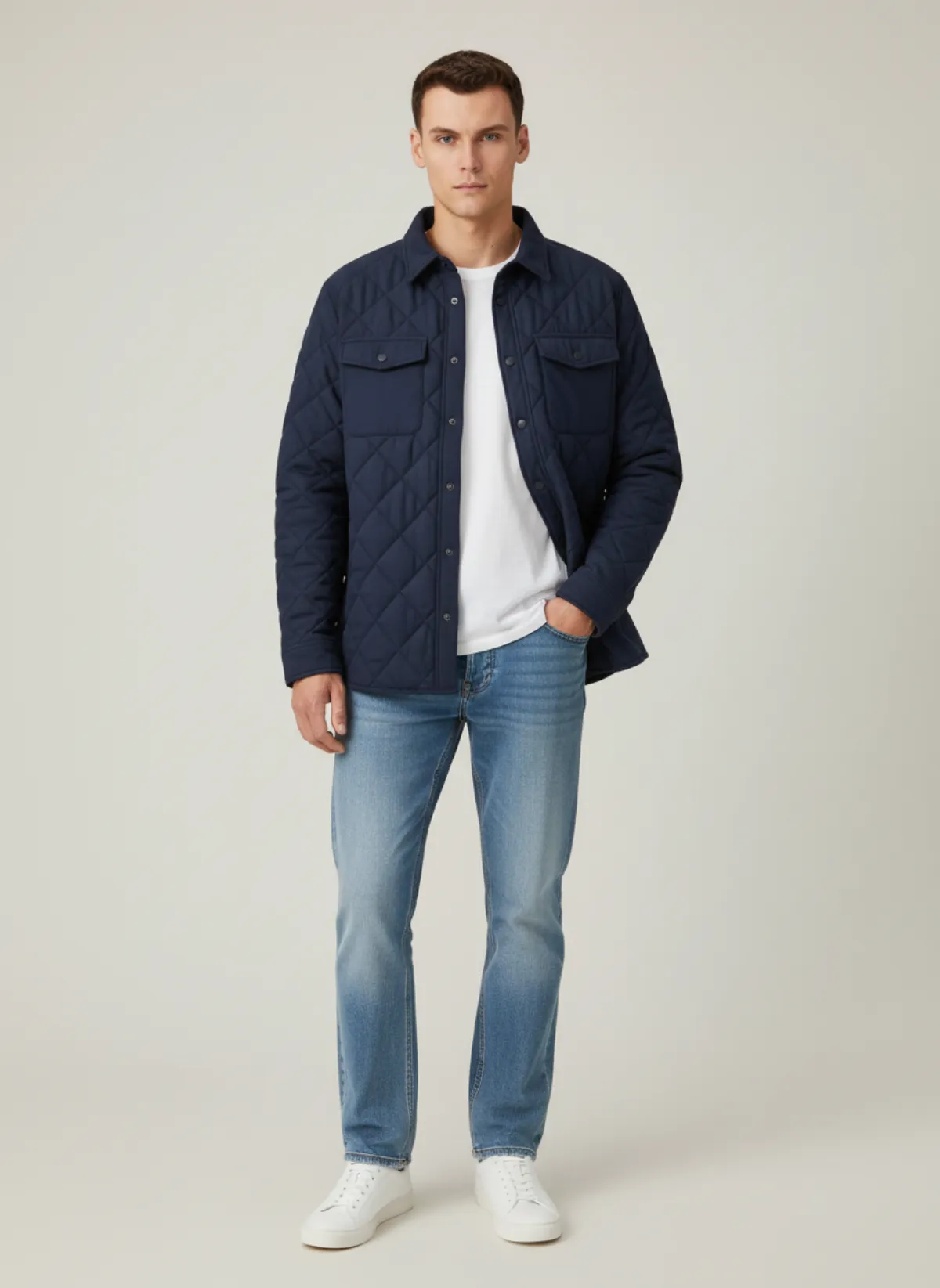
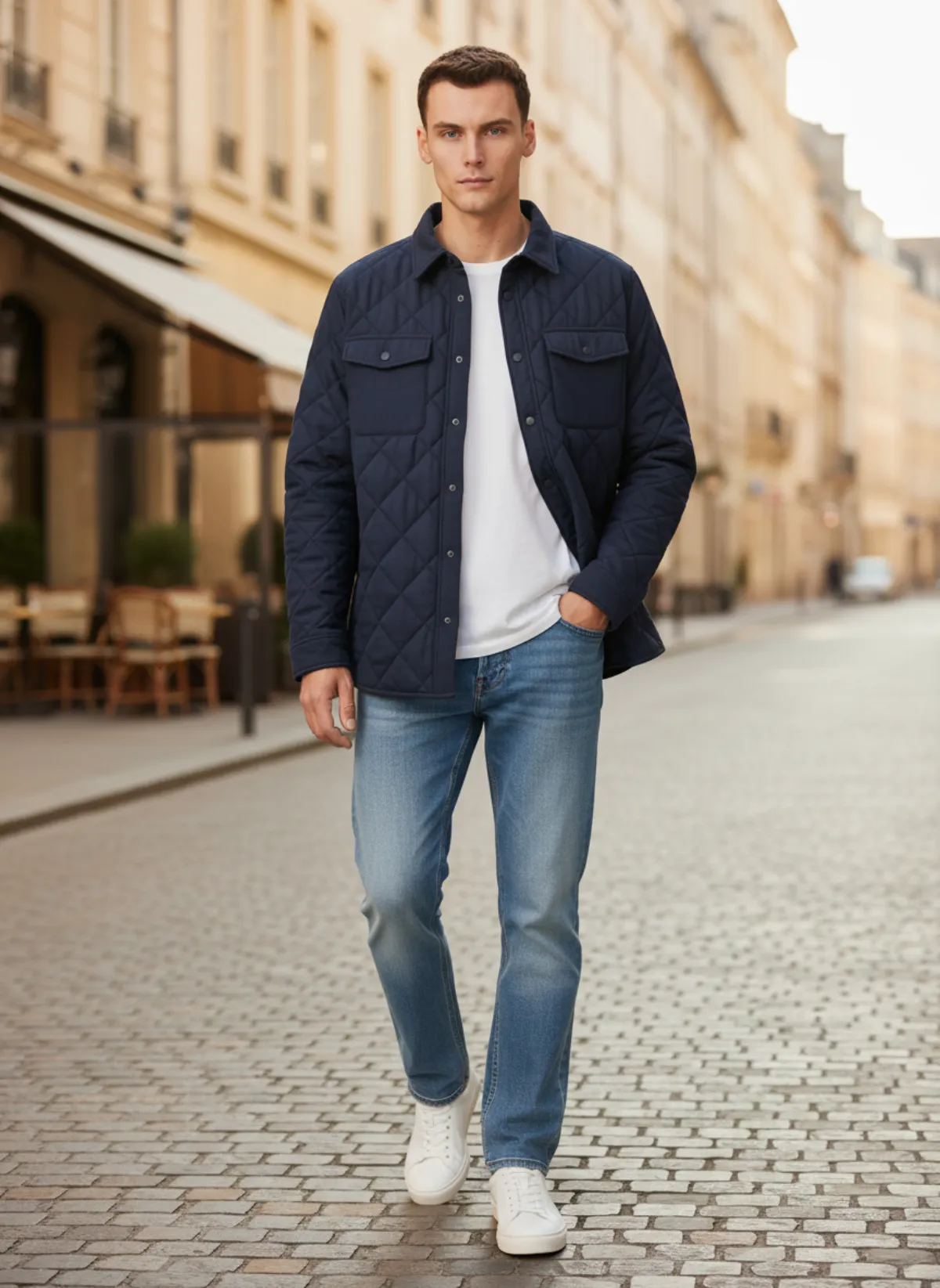
A real Garmo set makes the AI route concrete. This overshirt was photographed flat on a floor in harsh sun, and both frames below came from that one photo.
A navy quilted overshirt
Studio and street frames keep the diamond quilting, flap pockets and snap front. It is the kind of product where an AI route saves a booking and a physical shoot would add little.
 Your photo
AI and traditional photoshoot questions
Is AI product photography better than a traditional photoshoot?
It is better for some production jobs, not all. AI is efficient for repeatable catalog images and variations from a clear source. A physical shoot is stronger for exact fit, complex movement, difficult materials and campaigns centred on a real person.
Can a brand use both AI and real photography?
Yes. A hybrid workflow can use real photography for hero images, fit proof and details, then AI for supporting poses, model options, late products and extra ratios. Keep the visual direction and quality checklist consistent.
Which method is cheaper per product?
AI usually removes many fixed production costs, but the honest comparison includes source photography, credits, rejected results and review time. Divide the total project cost by approved images and fully covered SKUs.
Can customers tell that a product image was generated?
Sometimes. More importantly, they can notice when the product is inconsistent. Accurate colour, construction and honest context matter more than making a generated image look spectacular.
What should never be approved in an AI product image?
Reject changed logos, prints, seams, fastenings, stone counts, heel shapes, garment length or any invented feature that could change the buyer’s understanding. Also reject broken anatomy and misleading fit.