Start with the cost of an approved image
Product photography quotes are difficult to compare because the unit changes. One studio charges per product, another per photograph and a third by the day. A low day rate can become expensive if it excludes the model, studio hire, styling, retouching and exports. A high per-image rate can be good value if it includes all of them. Put every quote into one unit: total cost divided by the number of images that are good enough to publish.
Count approved images, not frames captured. A photographer may take hundreds of frames during a day, but the shop may receive four final images for each of twenty products. If five products need another session because a sample arrived late, the reshoot belongs in the same project cost. So do courier charges, sample preparation and the time your team spends naming, checking and uploading files.
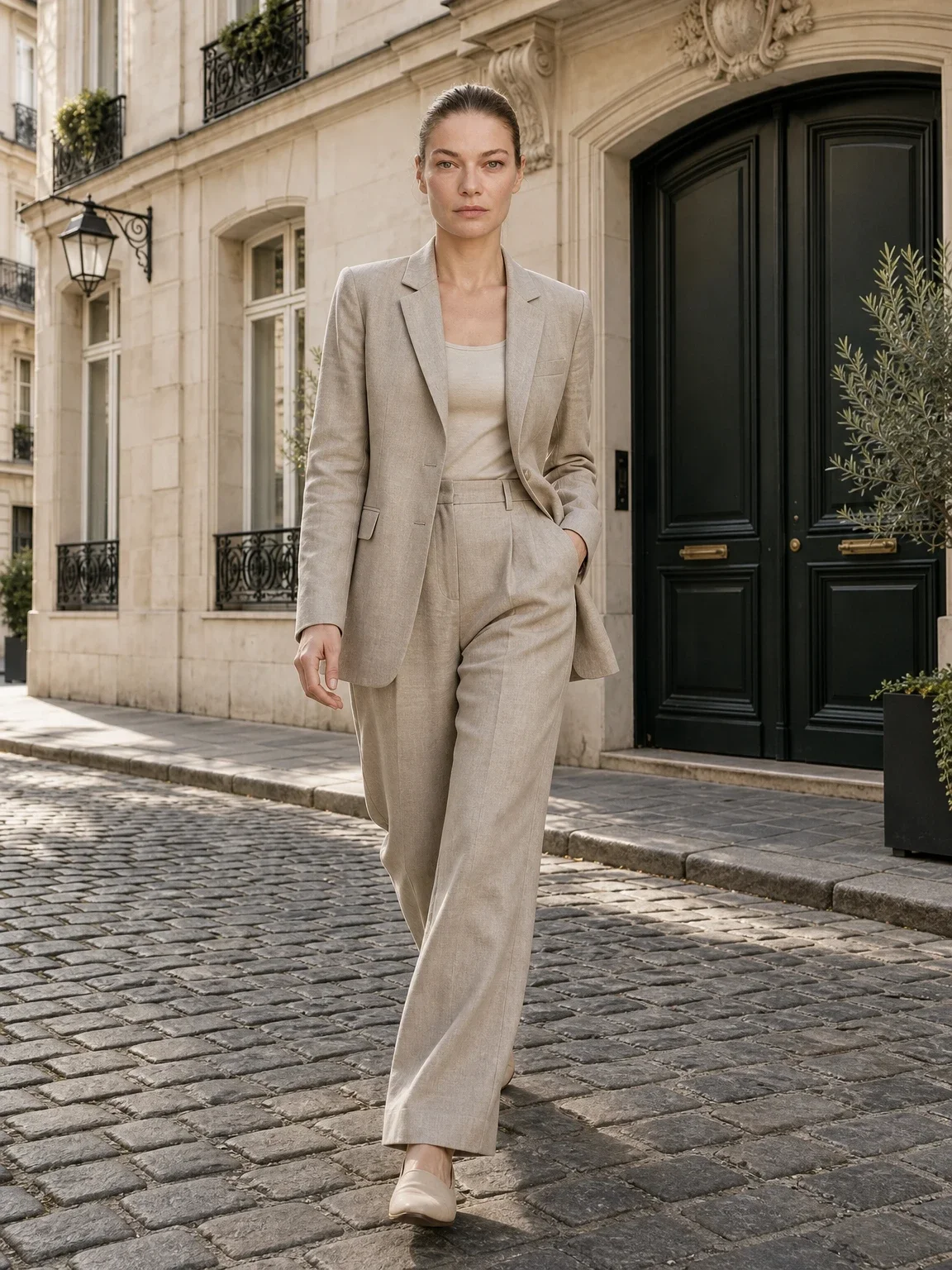
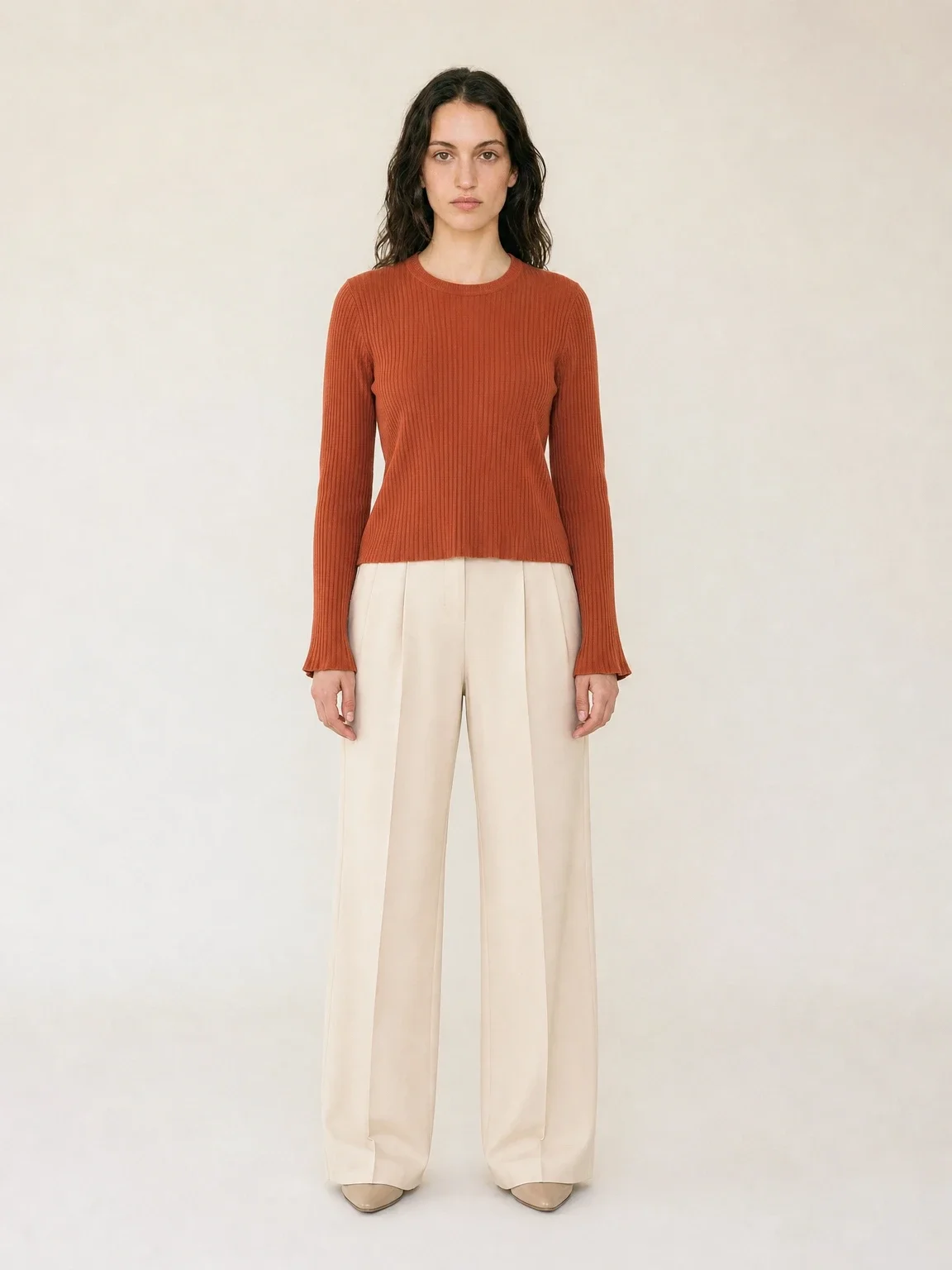
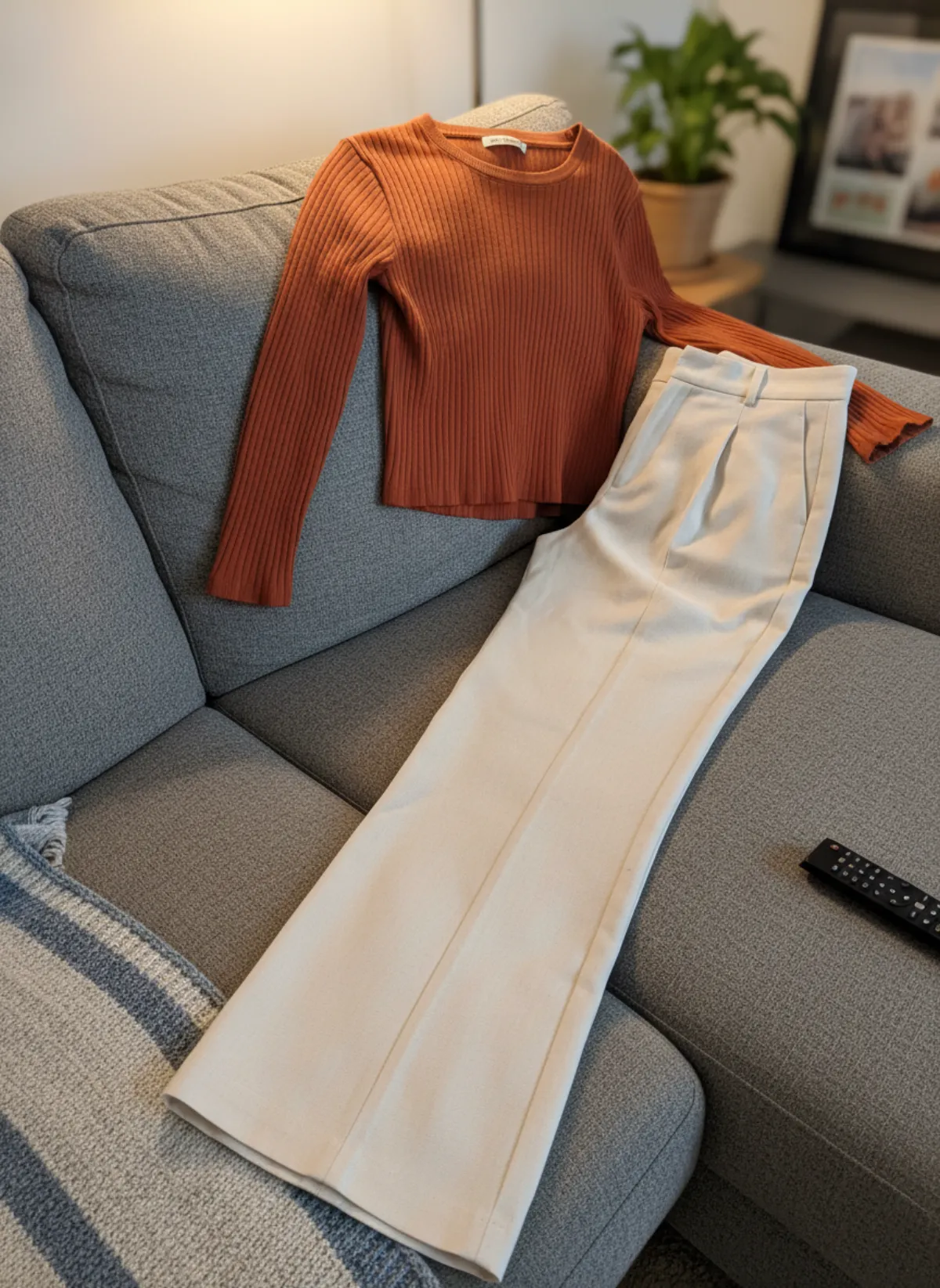
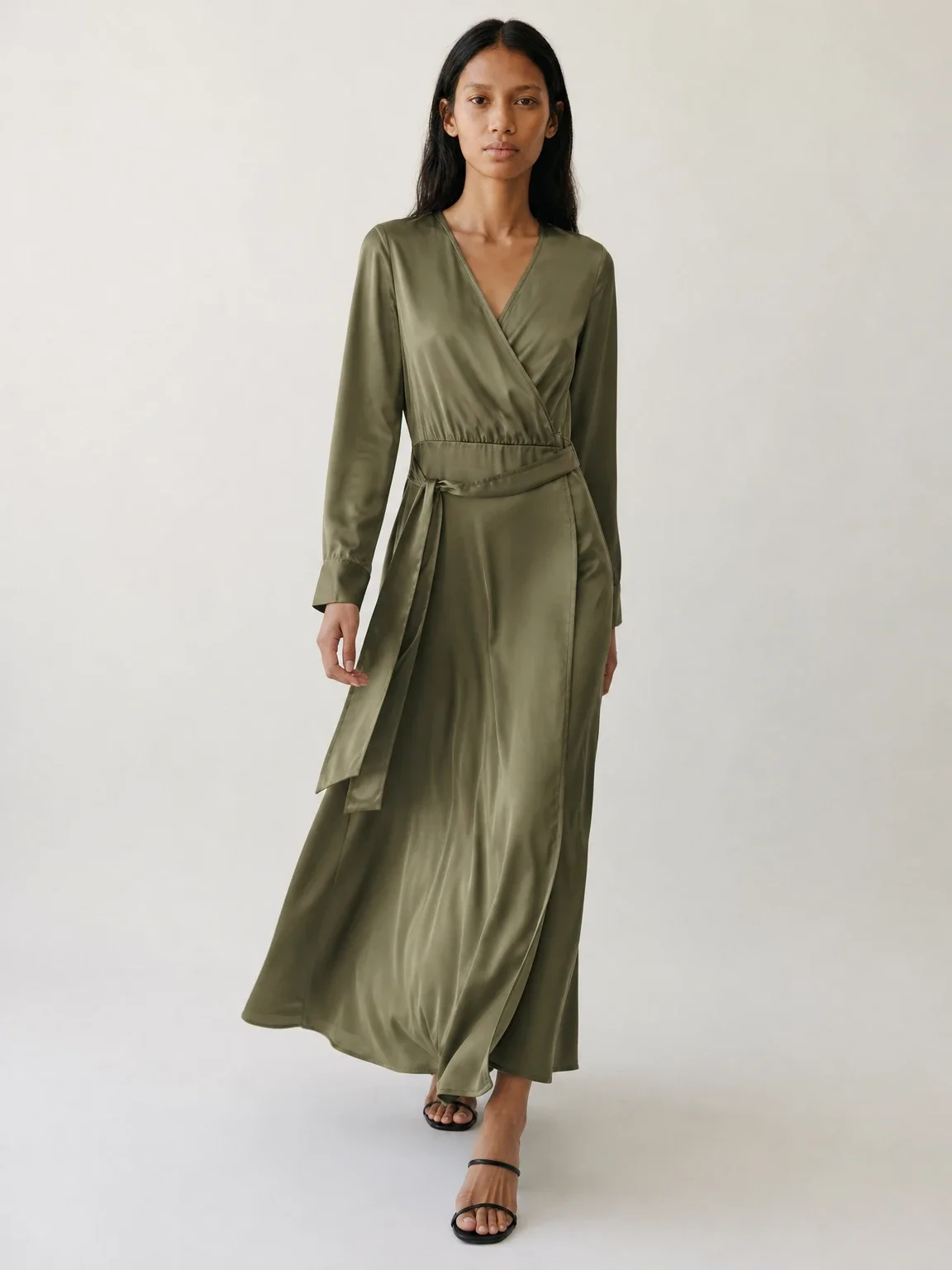
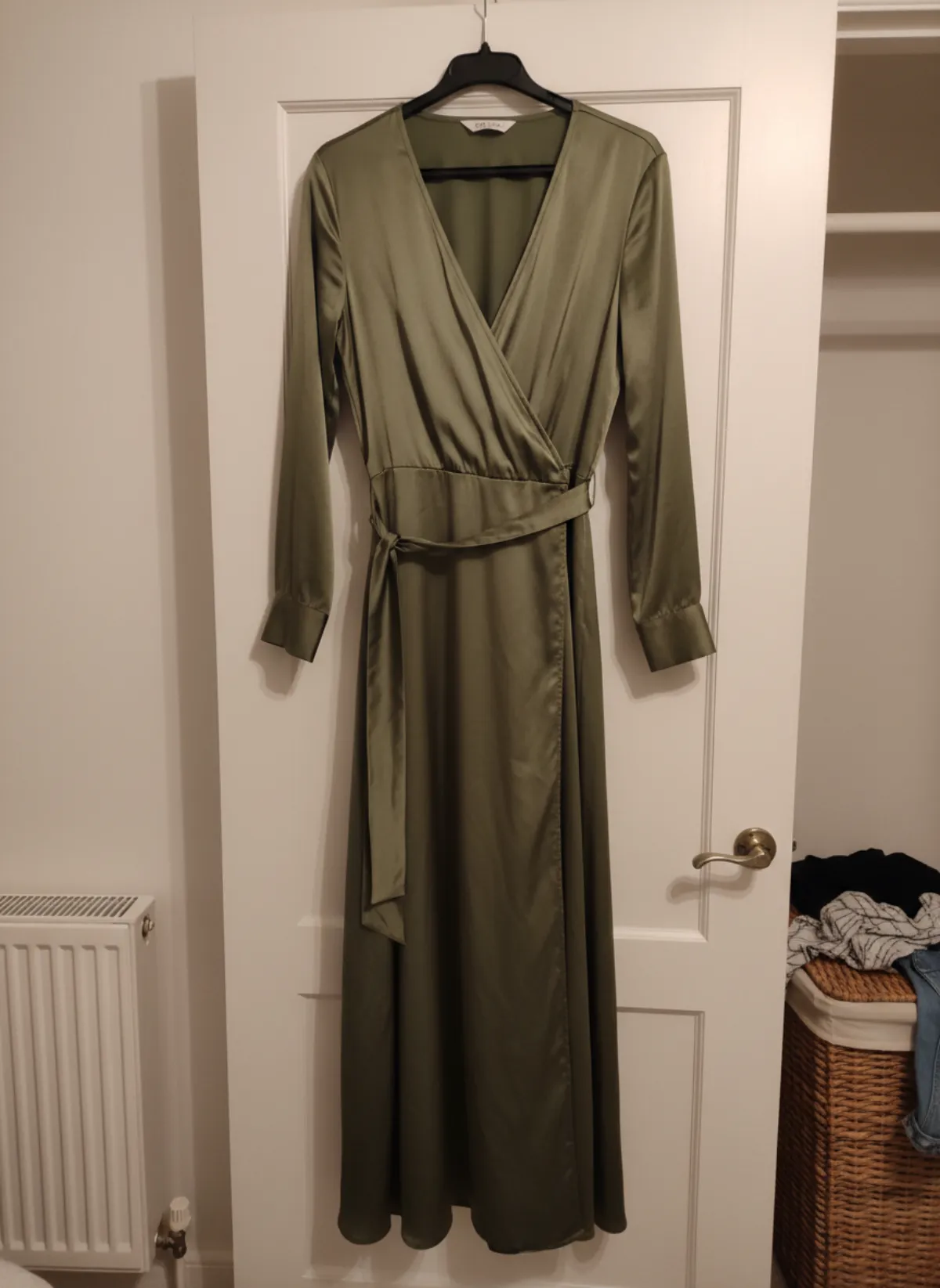
Fashion adds costs that a simple packshot does not. Clothing needs steaming, pinning and outfit decisions. Jewelry needs careful cleaning and reflection control. Shoes may need filling, lacing and matching pairs. On-model work adds casting, usage rights, hair and make-up, fitting time and often a longer studio booking. A realistic catalog photoshoot plan records those dependencies before asking for prices.
Location also changes the number dramatically. A model day in London, New York or Paris is not directly comparable with a small local studio, and a ten-SKU job costs more per item than a two-hundred-SKU production because setup is spread over fewer products. That is why this article gives a calculation method rather than pretending there is one universal market rate.
Four common ways a shoot is priced
Ask what is included, how many finished files you receive and what triggers an extra charge before comparing the headline number.
Per finished image
Easy to budget when selection, basic retouching and export are included. Confirm whether complex retouching and extra crops cost more.
Per product or SKU
Useful for standard catalogs with a fixed shot list. Define colourways, back views and detail photos so a product does not quietly become three.
Day or half-day rate
Flexible for editorial and mixed shot lists, but the output depends on styling speed, sample readiness and how many approvals interrupt the set.
Monthly production package
Works for frequent drops when the service level, rollover, turnaround, usage rights and maximum revision count are explicit.
A formula that makes two quotes comparable
Build the numerator first. Add creative planning, photographer, assistant, studio or location, equipment, model, casting, styling, hair and make-up, travel, sample shipping, retouching, file delivery and contingency. Then add internal labour: the hours spent preparing products, attending the shoot and approving results multiplied by a reasonable hourly cost. Even if no invoice arrives for that time, the business pays for it.
For the denominator, use the final approved images, not the planned total. If the project was meant to deliver 120 files but only 100 can go live, divide by 100. Calculate a second figure per SKU by dividing the total by the number of products that received a complete usable set. Per-image shows media efficiency; per-SKU shows merchandising coverage. Both matter when comparing a studio with an AI model photoshoot.
Run three scenarios rather than one perfect forecast. The base case assumes everything is ready. The slow case allows for fewer products per day and more retouching. The reshoot case adds another half day, model availability and rush delivery. If the project only works in the optimistic scenario, the quote is not truly within budget.
Finally separate fixed and variable costs. Art direction, casting and studio setup are mostly fixed; they become cheaper per image as output grows. Retouching and image generation are variable; they grow with the number of final files. This split explains why a physical shoot can make sense for one hero campaign while an AI workflow can be much cheaper for a long tail of catalog variations.
Studio, hybrid or AI: which budget fits the job?
A physical studio is strongest when the campaign depends on a specific real person, complex movement, several products interacting, exact fit proof or a large library of close details. It also creates behind-the-scenes material and video on the same day. The cost is paid before you know whether every sample will arrive, and changes after the shoot often mean another booking.
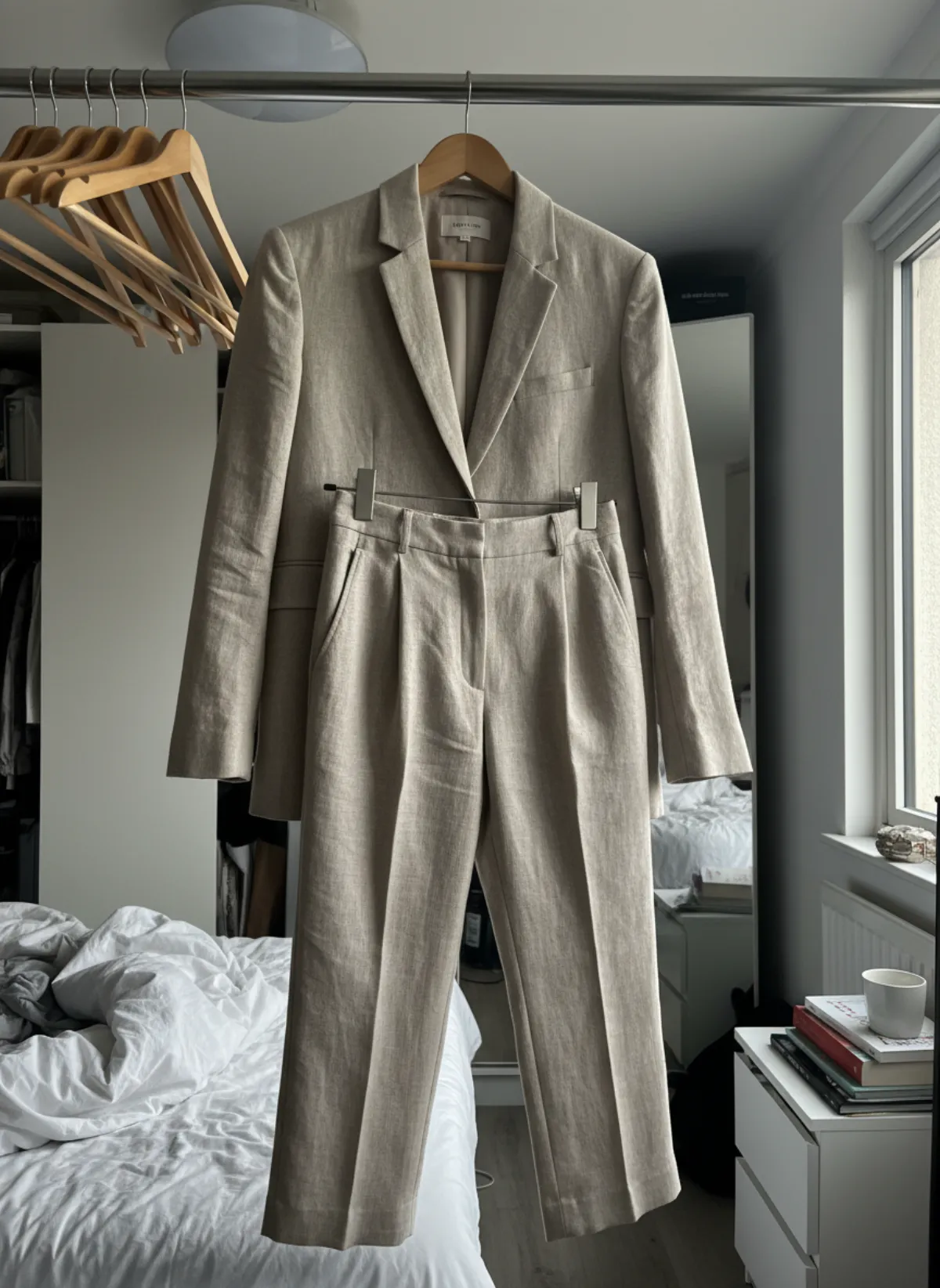
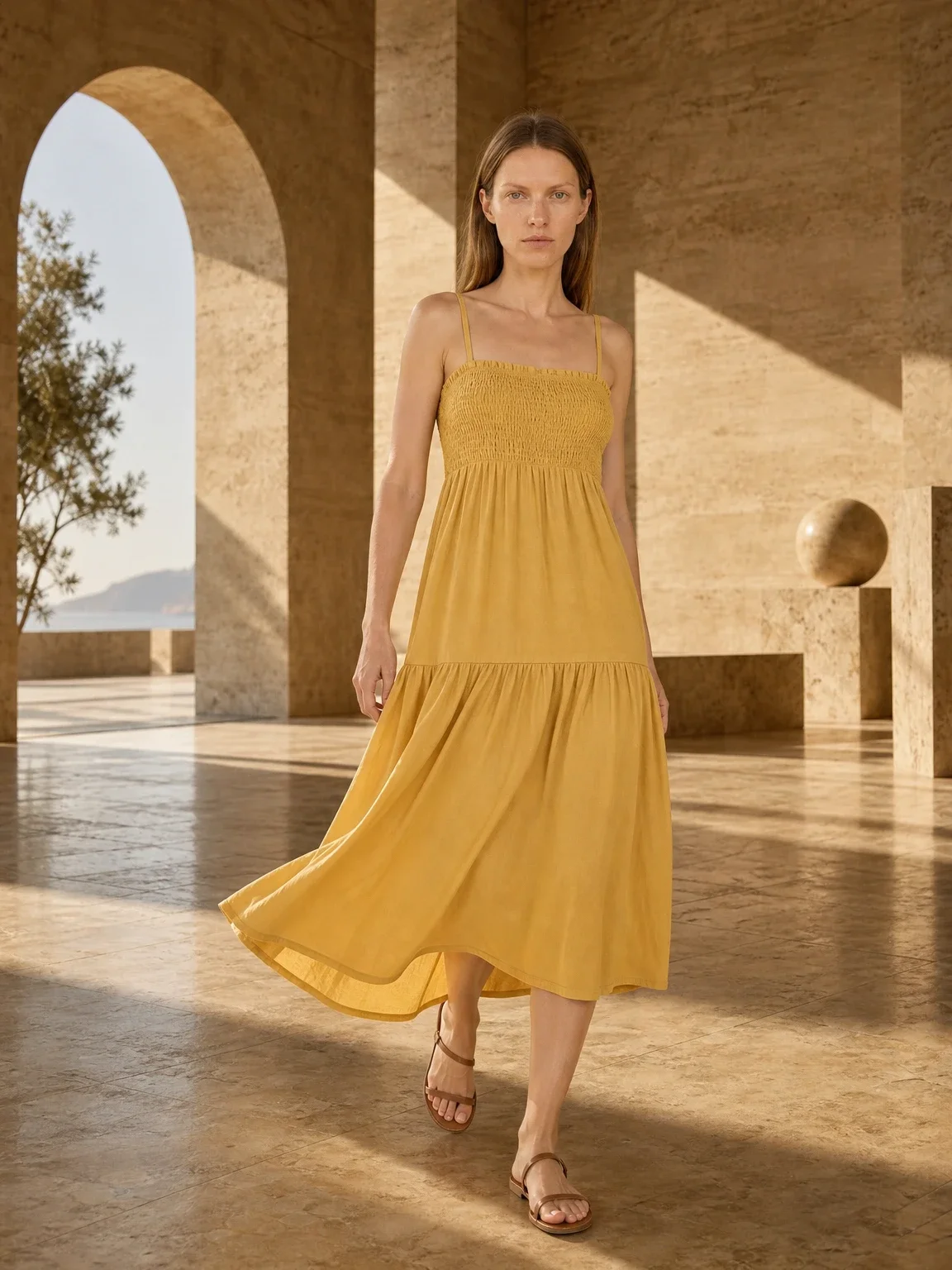
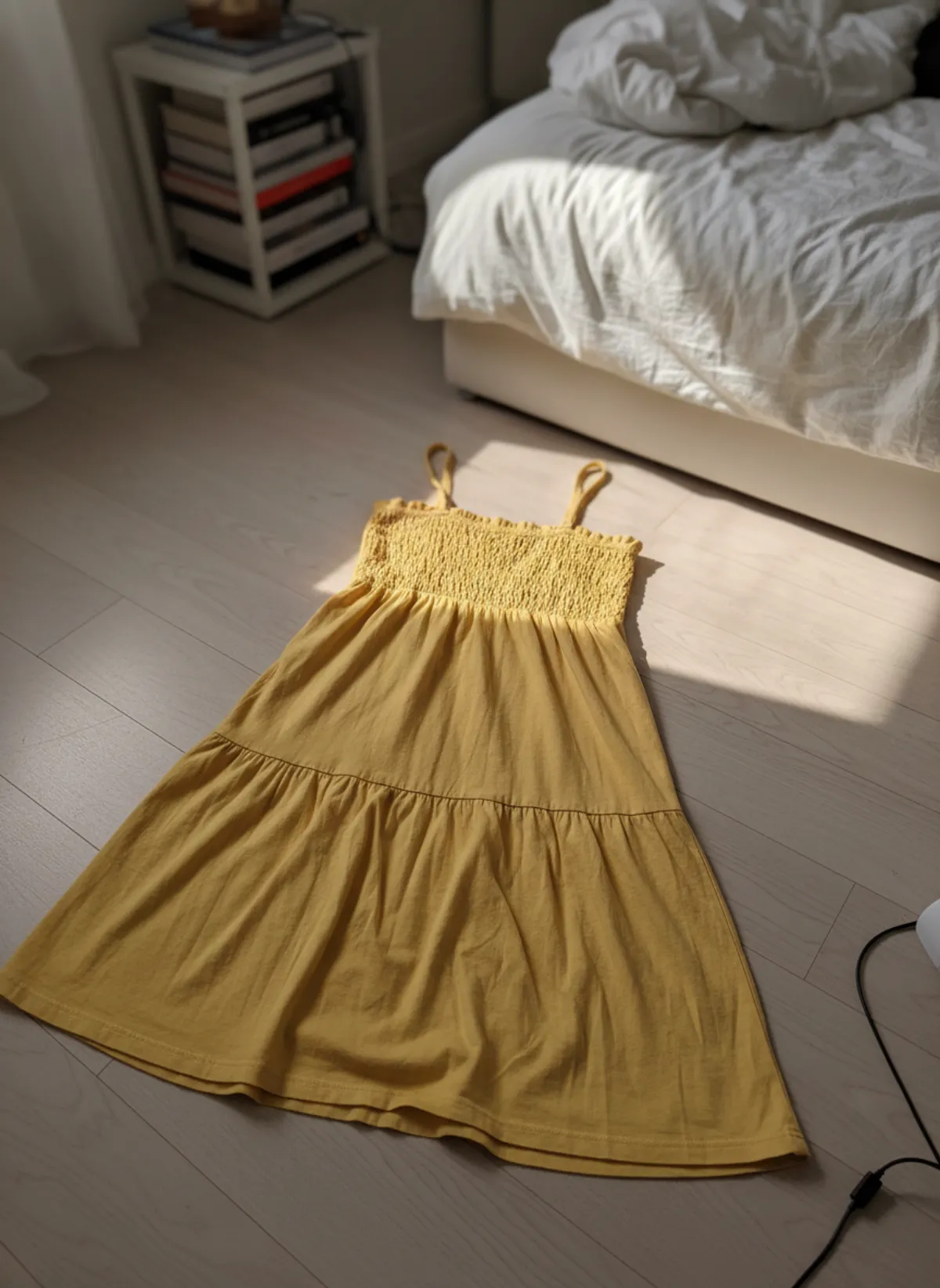
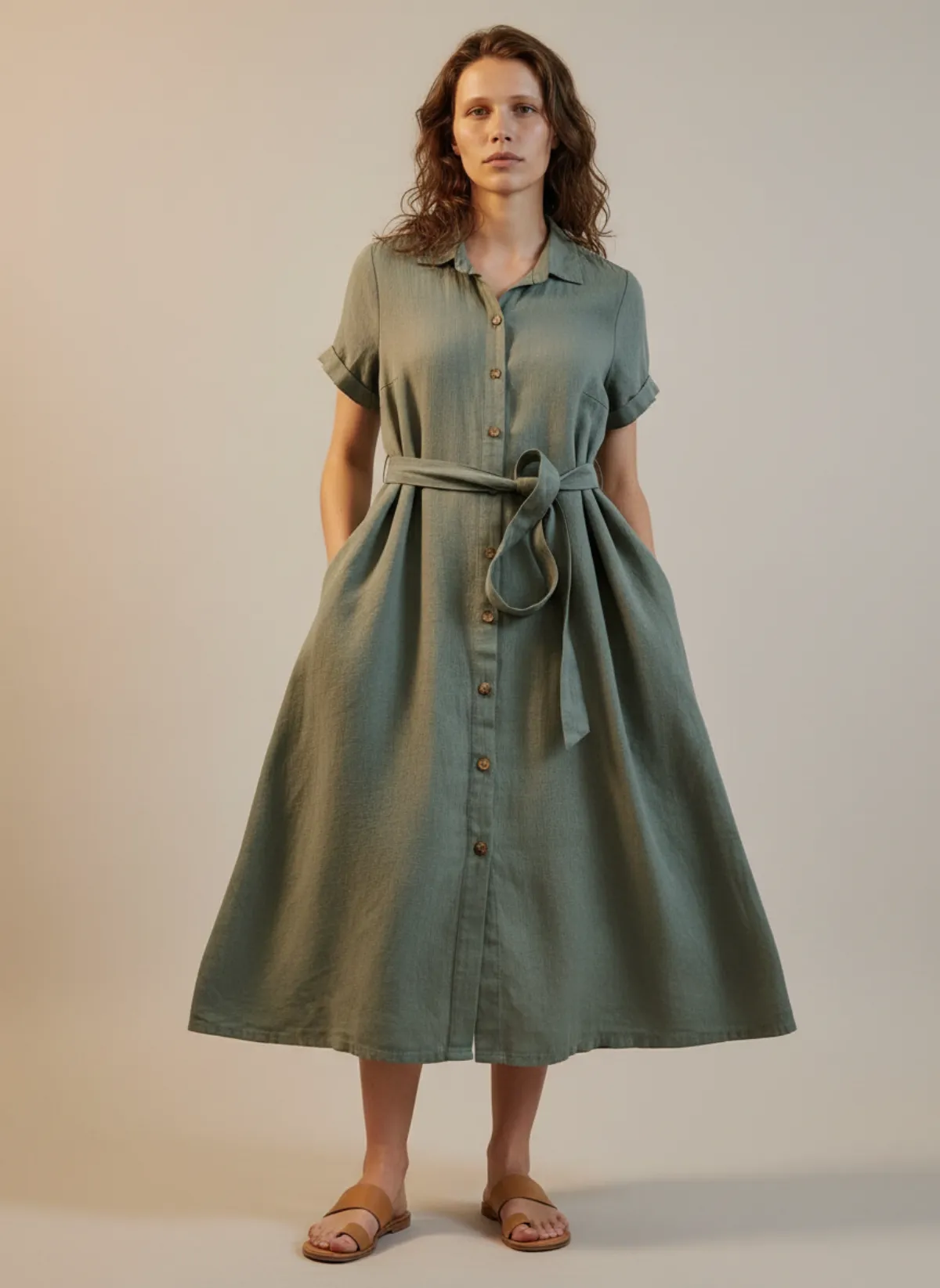
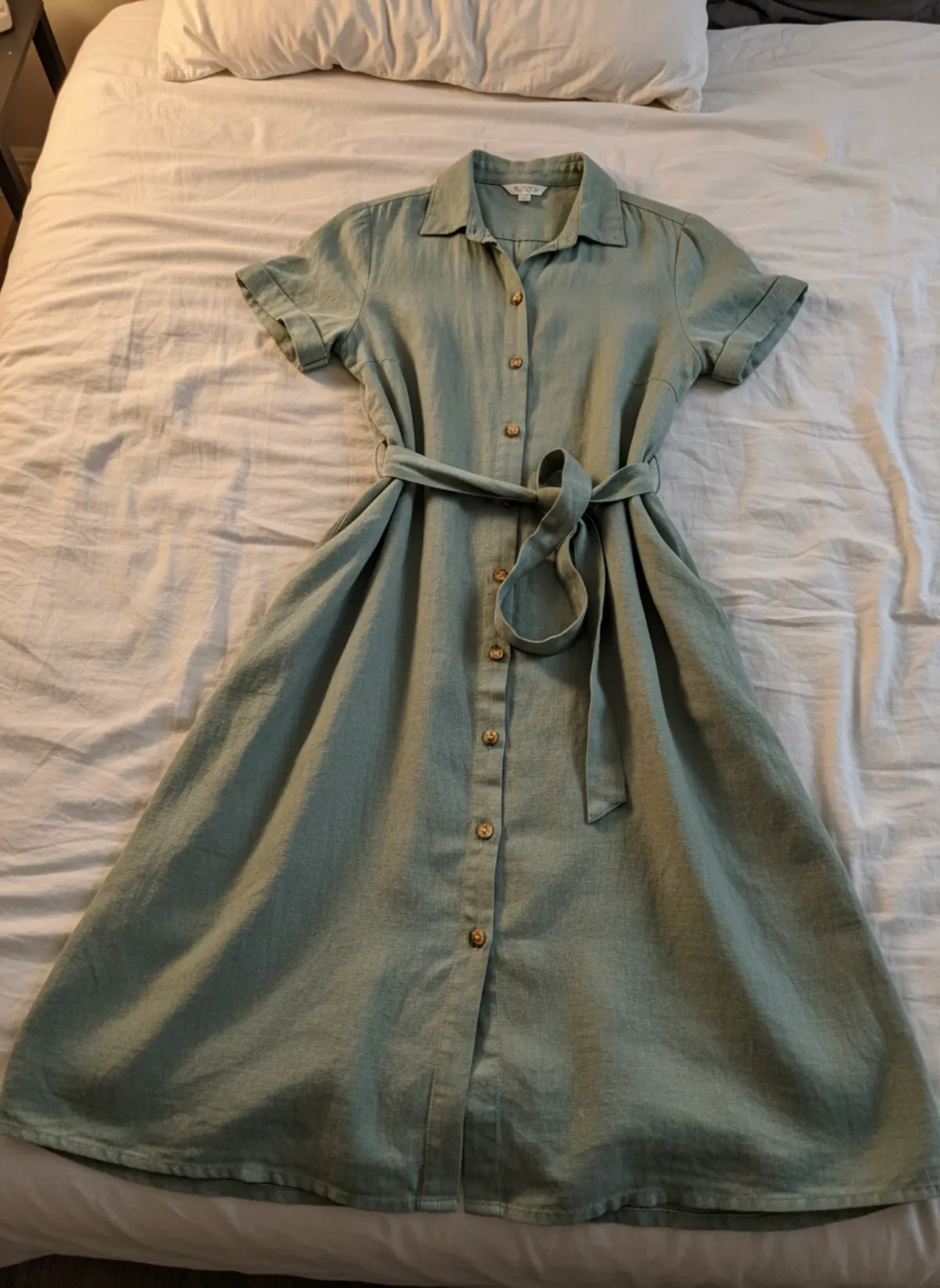
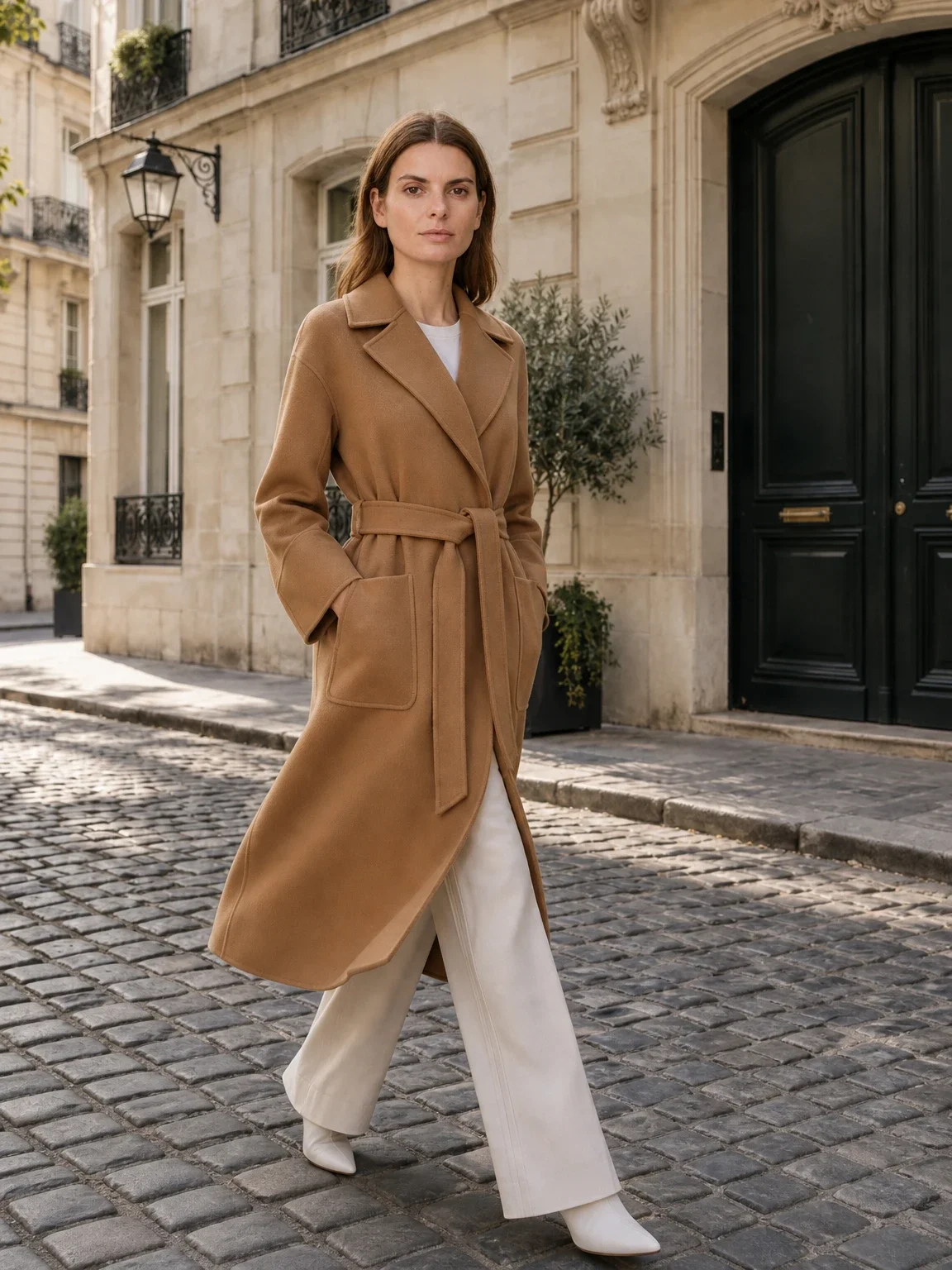
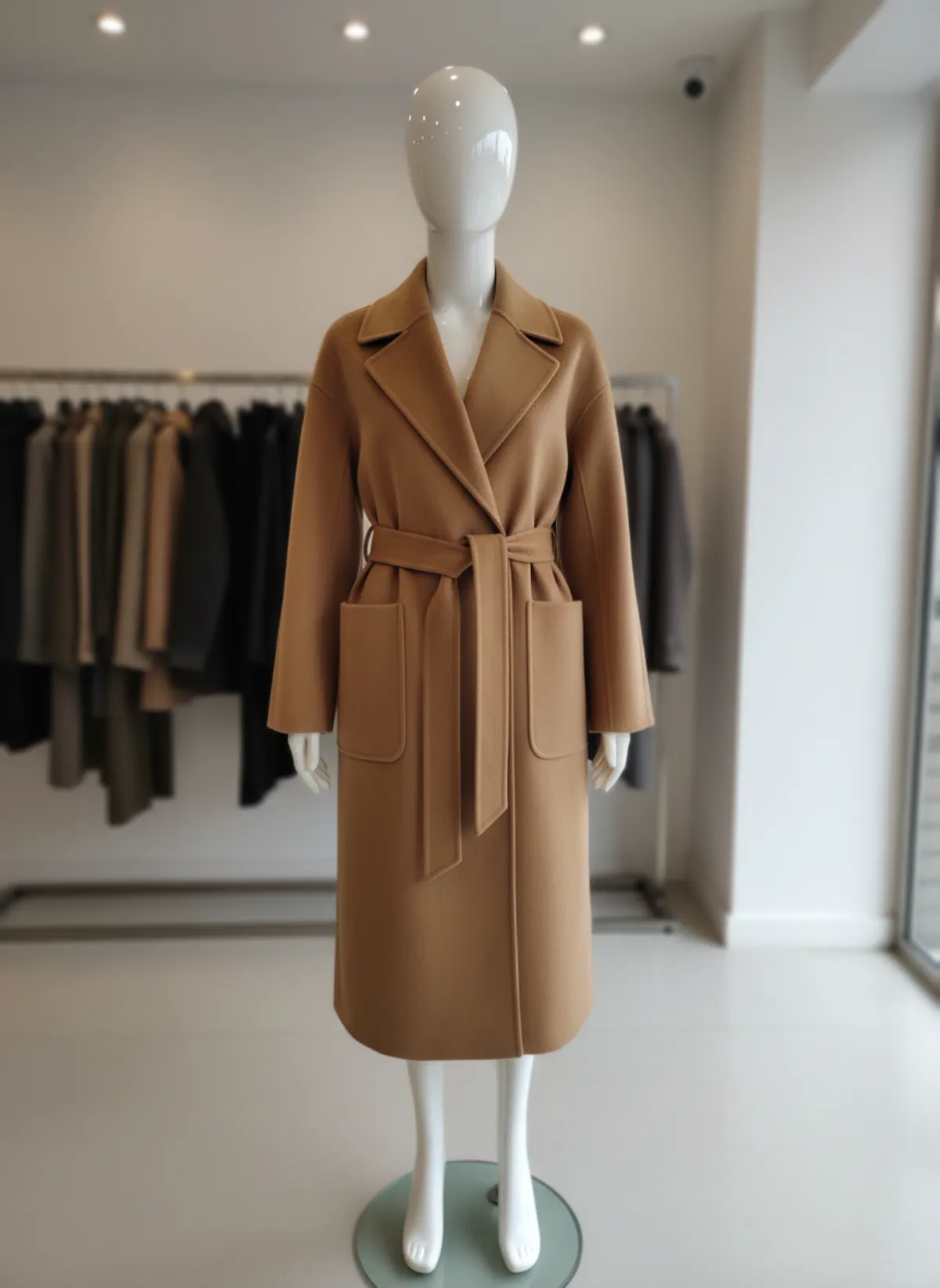
An AI workflow starts with a real product photo and moves model, pose and scene into a repeatable digital step. With AI product photography with models, a small brand can test one garment, approve the direction and then produce the necessary catalog views without assembling the full crew again. The financial advantage is largest for frequent small drops, missing colourways and additional marketplace crops.
Hybrid production is often the most sensible option. Photograph the campaign hero, key fit reference and technical details physically. Use those decisions as the brand standard, then create supporting on-model frames for routine SKUs. The buyer still sees genuine product evidence, while the content team avoids using an expensive campaign day for every background and crop.
Do not count a generated image as cheap until it passes review. Add the time spent checking colour, seams, print, hardware and anatomy, plus the cost of rejected generations. A lower creation cost with a weak approval process can become expensive through returns, customer complaints and repeated edits. Accuracy is part of the budget, not a free extra.
Current Garmo image pricing
- Starter$9 / month25 images a month · from $0.36 per image
- Collection$19 / month100 images a month · from $0.19 per image
- Studio$39 / month250 images a month · from $0.16 per image
Start with 3 free images, no card needed. Then pick a plan; each image uses one credit and yearly billing gives you two months free. See all plans
When paying for a physical shoot is worth it
Choose a physical shoot when the real performance is the idea: an athlete landing in a shoe, several models interacting, transparent fabric layered over skin, or jewelry whose fire and reflection must be captured exactly. It is also the safer route when a buyer must judge precise fit from the image. Use the budget where a camera provides evidence that generation cannot.
Choose AI for repeatable merchandising: consistent front and three-quarter views, controlled model swaps, new settings from an approved product, or a late SKU that missed the main day. A clean put clothes on an AI model workflow is especially useful when the garment already has a complete, well-lit reference and the team has a clear approval checklist.
Before signing either quote, request a small test. For a studio, ask to see a full relevant gallery and the exact delivery specification. For AI, process one difficult item rather than the easiest plain T-shirt. Compare the same deliverables: resolution, number of views, time to approval, usage rights, revision allowance and the staff time required. The cheaper route is the one that produces publishable evidence, not the one with the smallest first invoice.
Product photography pricing questions
How do I calculate product photography cost per image?
Add every external and internal project cost, including model, studio, styling, retouching, shipping, approval time and reshoots. Divide that total by the number of final images approved for publication, not by the number captured.
Is per-product pricing better than a day rate?
It is easier to forecast for a standard shot list. A day rate can be better for editorial variety or a fast, well-prepared high-volume set. Compare the expected approved output and inclusions, not the billing label.
What costs are most often left out of a quote?
Model and image usage, casting, styling, steaming, complex retouching, alternative crops, sample shipping, rush delivery, revisions and reshoots are common omissions. Internal preparation and approval time is also easy to ignore.
Is AI product photography always cheaper?
Not automatically. It removes many fixed production costs, but generation, quality control and rejected frames still have a cost. It is usually most efficient for repeatable catalog views and frequent small drops.
Can I combine a studio shoot with AI images?
Yes. Use the physical shoot for hero assets, exact fit and technical details, then extend approved products into supporting poses, scenes and ratios. Keep a real product image and check every generated frame for fidelity.